

Cypress and the California Housing Mandate: 135 Homes Built Out of 3,936 Required
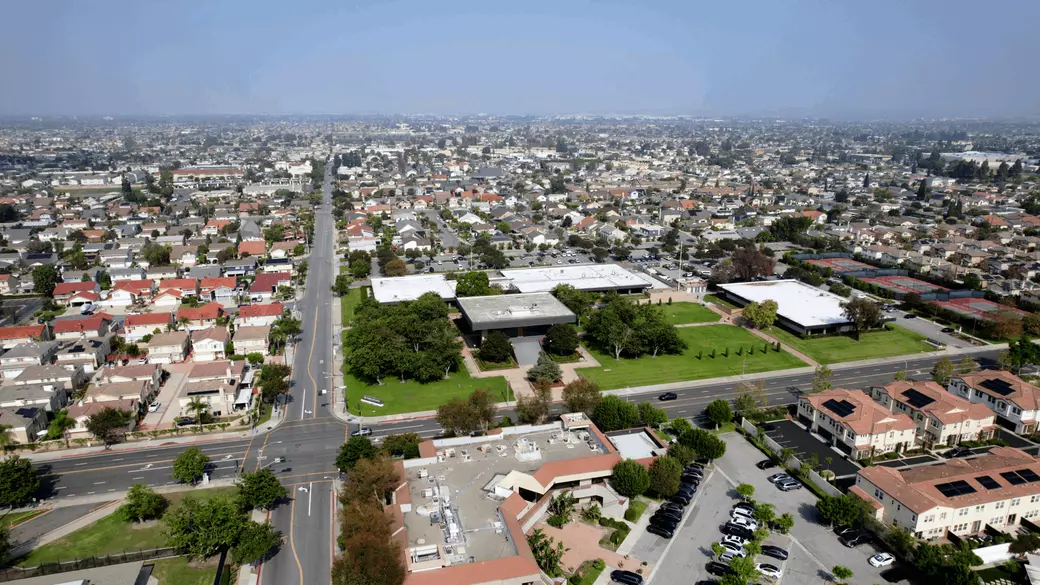
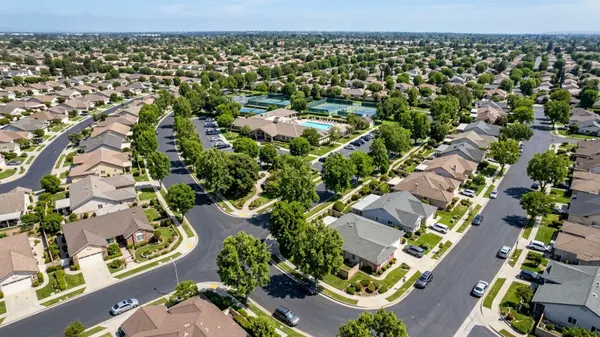
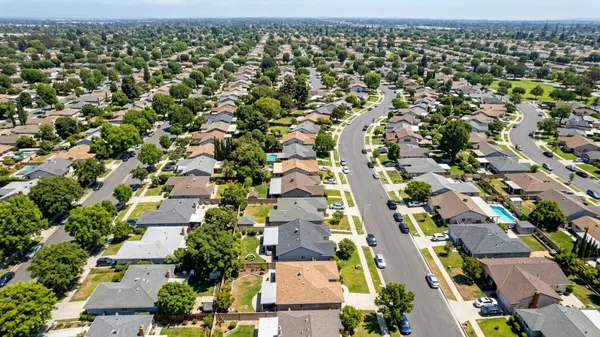
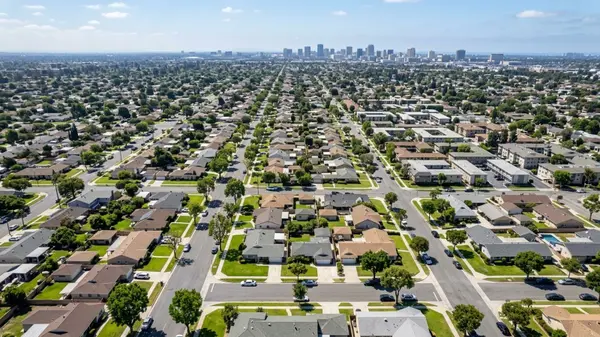
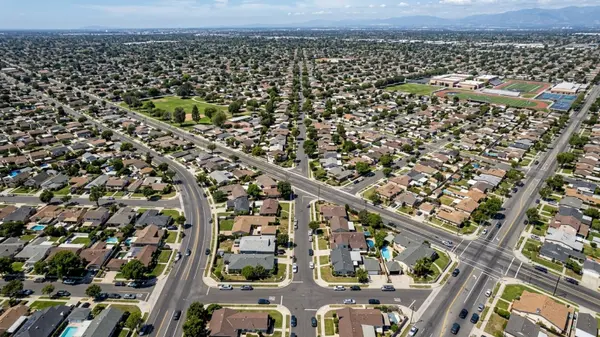
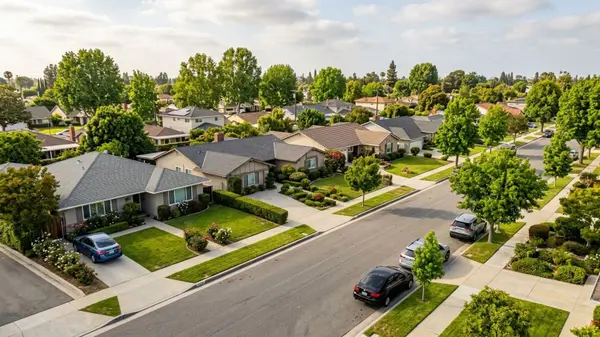
Cypress, California sits in the heart of northwest Orange County, surrounded by communities like Los Alamitos, Buena Park, and La Palma. Known for its quiet neighborhoods, strong schools, and suburban feel, it has long been one of the most desirable small cities in the region. But under California’s newest housing laws, Cypress is under intense pressure to grow — and the numbers show it is falling far behind.
According to the state’s Regional Housing Needs Assessment (RHNA), Cypress must plan for 3,936 new homes between 2021 and 2029. Yet nearly four years into that cycle, city data and state housing reports confirm that only about 135 units have been completed. That means Cypress has met less than five percent of its total housing target, placing it near the bottom of Orange County’s compliance rankings.
This shortfall matters. It’s not just about missing a number; it’s about whether Cypress will retain control over its future development — or see the state step in through what’s known as the Builder’s Remedy.
What the RHNA Mandate Means for Cypress
Every eight years, the California Department of Housing and Community Development (HCD) assigns each city a specific number of homes it must plan and zone for across multiple income categories. The goal is to ensure that every community contributes to solving the statewide housing shortage rather than leaving the burden to a few.
Cypress’s 2021-2029 allocation includes housing for very low-income, low-income, moderate, and above-moderate households. The city’s total of 3,936 units represents a major increase compared with the prior cycle, reflecting the state’s push for denser, transit-friendly growth.
In 2022, the Cypress City Council adopted its 6th Cycle Housing Element, identifying where those units could theoretically be built. Sites included the Lincoln Avenue Specific Plan, the Cypress Town Center and Commons, and potential mixed-use areas along Katella Avenue. However, zoning potential on paper does not equal construction in reality — and that’s where the problem lies.
How Much Has Actually Been Built
The most recent reports filed with HCD and the Orange County Registrar of Voters show that only about 135 homes have been completed in Cypress since 2021. Nearly all of them are located within the Cypress Town Center and Commons (CTCC), a long-planned mixed-use development featuring townhomes, retail, and community amenities near Katella Avenue and Walker Street.
According to the city’s own statements in the 2024 Measure S ballot materials, approximately 135 units were already built at that site, while the rest of the city’s housing plan remains largely conceptual. The Lincoln Avenue Specific Plan, designed to transform underused commercial corridors into housing-friendly districts, is still under review. The Measure S expansion was intended to rezone additional land within the Town Center area for future housing and retail, but development timelines remain uncertain.
That means the city’s visible housing production sits at roughly three to four percent of its 3,936-unit requirement — well behind schedule.
Why Cypress Is Falling Behind
There are several reasons why Cypress has struggled to produce new housing at the scale required by the state.
-
Limited available land: Cypress is nearly built out, with very few vacant parcels remaining. Most new homes would require redevelopment of existing commercial or industrial sites, which adds cost and complexity.
-
Community resistance: Residents often express strong opposition to density increases, citing traffic, school crowding, and the loss of suburban character. Public sentiment has slowed approvals for projects that would add multi-family housing or mixed-use buildings.
-
Economic conditions: Rising construction costs, higher interest rates, and tighter financing have all delayed private development across Southern California, and Cypress is no exception.
-
Planning delays: Environmental studies, infrastructure requirements, and design reviews all add time. Even when land is zoned for housing, it can take years to move from planning to groundbreaking.
These factors combined make it difficult for Cypress to meet state housing goals on schedule, even with zoning capacity in place.
The Consequences: Builder’s Remedy
Under California law, if a city’s Housing Element is not in compliance with state requirements, developers can use the Builder’s Remedy to propose housing projects that exceed local zoning limits. As long as those projects include a required percentage of affordable housing, the city has limited ability to reject them.
Dozens of cities across California — including Santa Monica, Redondo Beach, and La Cañada Flintridge — have already faced Builder’s Remedy projects. These cases have effectively removed local zoning power, allowing higher-density developments to move forward without city approval.
If Cypress continues to lag behind its RHNA goals, it risks the same outcome. That could mean apartment or condo projects proposed on parcels currently zoned for commercial use, changing the landscape of the city over time.
Measure S and the Battle Over Growth
In 2024, Cypress voters were presented with Measure S, a proposal to modify land-use restrictions at the Cypress Town Center and Commons. Supporters argued that the change was essential to meet state housing mandates and prevent Builder’s Remedy takeovers. They emphasized that expanding mixed-use zoning would allow more homes, retail, and public space while keeping development coordinated and locally controlled.
Opponents, however, feared the measure would open the door to excessive density and increased traffic, altering the community’s suburban feel. Although the measure passed by a narrow margin, it revealed deep divisions within the city about growth and housing policy.
That debate reflects a larger statewide tension: California’s need for housing versus local resistance to rapid change.
Cypress in the Context of Orange County
Cypress is not alone in this struggle. Nearby cities like Huntington Beach, Seal Beach, and Costa Mesa have also been warned by the state for lagging on their RHNA progress. Huntington Beach, in particular, has been sued by the Attorney General’s office for refusing to comply with state housing laws.
The larger picture is clear: the state wants every city to share the responsibility for building more homes. Orange County remains one of the most expensive housing markets in California, and local supply constraints have driven home prices and rents to record highs.
For Cypress, the challenge is balancing its long-established suburban character with the state’s push for denser, transit-oriented development that can address affordability and sustainability goals.
Looking Ahead: What Cypress Can Do Next
If Cypress wants to avoid state intervention and maintain control of its future, several steps are essential:
-
Accelerate approvals for housing projects that are already in the pipeline, particularly within the Lincoln Avenue and Katella Avenue corridors.
-
Streamline permitting to reduce the time and cost for developers to break ground on new housing.
-
Promote mixed-use redevelopment that combines housing, retail, and public amenities to attract private investment and public support.
-
Engage the community early in the process to build consensus around responsible growth rather than reactive opposition.
-
Leverage incentives such as density bonuses, ADU programs, and public-private partnerships to expand housing options at all income levels.
By taking these steps, Cypress can begin to close the gap between planning and production and regain momentum before the 2029 deadline.
The Bottom Line
Cypress faces a pivotal moment. With just 135 homes built out of nearly 4,000 required, the city’s progress is far behind where it needs to be. The next few years will determine whether Cypress can meet its housing obligations while preserving the local quality of life residents value.
Failing to act could open the door for the state — and private developers — to reshape Cypress through the Builder’s Remedy. But proactive leadership, smarter zoning, and transparent community planning could help the city meet its goals on its own terms.
For residents, investors, and homebuyers, the city’s next moves will shape both property values and livability for years to come.
Follow me on Social Media
👋 Instagram 👉 https://www.instagram.com/rickjleehomes/
👋 Facebook 👉 https://www.facebook.com/RickJLeehomes
🎥 WATCH NEXT 👉 Subscribe for more Videos: https://www.youtube.com/channel/UCytj...
🔻CONTACT INFO🔻
🏠 WANT TO TALK REAL ESTATE? Fill out this contact form here https://www.rickjleehomes.com/contact
🏠 SEARCH FOR LONG BEACH AND ORANGE COUNTY HOMES FOR SALE https://www.rickjleehomes.com/
🏠 FREE HOME VALUATION https://www.rickjleehomes.com/evaluation
✔️ CHECK ME OUT ON GOOGLE https://g.page/r/CdWWiyYU6NKIEAE
Rick J Lee
Rick J Lee Homes
Realtor @ ΓEA⅃ Broker
DRE # 02130981
📞C:714-943-1598
📧rickjleehomes@gmail.com
🖥RickJLeehomes.com
Categories
- All Blogs (266)
- Aliso Viejo, California (2)
- Anaheim, Calfornia (5)
- Beach House (2)
- Best places for surfers (1)
- Bixby Knolls (1)
- Buena Park, California (2)
- Buying and Selling Real Estate (75)
- Buying or Seller Real Estate (2)
- California (2)
- California Beach House (2)
- Cerritos, California (1)
- Costa Mesa, California (1)
- Current Market (5)
- Cypress, CA (5)
- Dana Point, California (1)
- Downey, California (1)
- Equestrian (1)
- Fountain Valley, California (5)
- FSBO (1)
- Fullerton, California (1)
- Fur Parents (1)
- Garden Grove California (6)
- History (4)
- Holiday in Long Beach (1)
- home (12)
- Home Improvement (1)
- home value (7)
- Huntington Beach (5)
- Irvine, California (3)
- La Habra, California (1)
- Laguna Niguel, California (1)
- Lake Forest, California (1)
- Lakewood Event (2)
- Lakewood, California (40)
- Lifestyle (3)
- Listing (1)
- Long Beach Events (1)
- Long Beach Neighborhood (7)
- Long Beach, California (68)
- Los Alamitos (1)
- Los Alamitos, California (2)
- Market Reports (8)
- Mission Viejo, California (1)
- Mortgage Lender (1)
- Moving to Aliso Viejo, California (2)
- Moving to Anaheim, California (4)
- Moving to Buena Park, California (2)
- Moving to California (11)
- Moving to Cerritos, California (1)
- Moving to Costa Mesa, California (1)
- Moving to Cypress, CA (4)
- Moving to Dana Point, California (1)
- Moving to Downey, California (1)
- Moving to Fountain Valley, California (4)
- Moving to Fullterton, California (1)
- Moving to Garden Grove, California (5)
- Moving to Huntington Beach (5)
- Moving to Irvine, California (3)
- Moving to Lakewood (4)
- Moving to Lakewood, California (7)
- moving to Long Beach, California (17)
- Moving to Los Alamitos, California (2)
- Moving to Los Angeles (1)
- Moving to Mission Viejo, California (1)
- Moving to Newport, California (3)
- Moving to Orange County, California (20)
- Moving to Orange, California (2)
- Moving to Placentia, California (1)
- Moving to Rossmoor, California (1)
- Moving to San Clemente, California (2)
- Moving to Seal Beach, California (4)
- Moving to Signal Hill, California (2)
- Moving to Stanton, California (1)
- Moving to Tustin, California (2)
- Moving to Westminster, California (3)
- New Developments (1)
- Newport Beach, California (3)
- Orange County, California (10)
- Orange, California (3)
- Placentia, California (1)
- Real Estate (47)
- Real Estate Agent (28)
- Rossmoor, California (1)
- San Clemente, California (2)
- San Juan Capistrano, California (1)
- Saving Money (1)
- Seal Beach, California (6)
- Signal Hill, California (5)
- Social Media (1)
- Stagnation (1)
- Stanton, California (1)
- Success Story (1)
- surfing (1)
- Tips in Moving (2)
- Tustin, California (3)
- Westminster, California (3)
Recent Posts

GET MORE INFORMATION