

What to Know About the Pros and Cons of Living in Long Beach, CA Before You Move
Updated: July 2, 2026
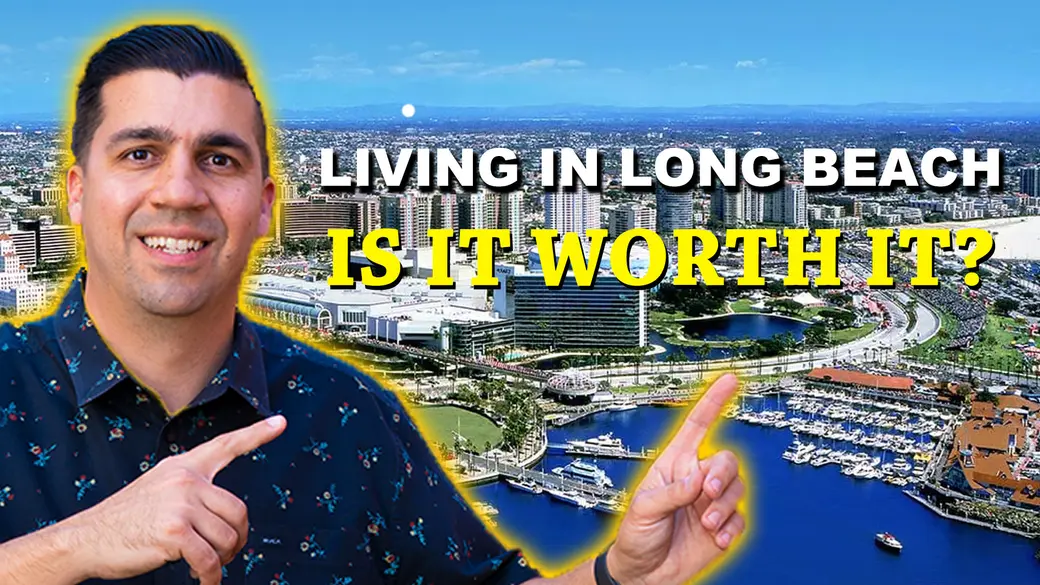
Long Beach, CA sits at the southern edge of Los Angeles County, sharing a direct border with Orange County. This location gives residents immediate access to a deep-water port infrastructure alongside miles of recreational beaches. The city blends dense urban development with quieter suburban tracts, offering a distinct coastal identity separate from the rest of Greater Los Angeles. These features make buying a home in Long Beach, CA an appealing choice.
Thinking about moving to Long Beach, California? With a population of 467,000 and miles of Pacific coastline, Long Beach offers a unique Southern California lifestyle that blends urban amenities with beach living at a more affordable price than neighboring LA or Orange County. But is Long Beach a good place to live? This comprehensive 2025 guide reveals the honest pros and cons of living in Long Beach, from housing costs and crime rates to beaches, weather, and neighborhood comparisons. Whether you're relocating for work, retirement, or family, here's everything you need to know before making your move.
Long Beach offers a distinctive Southern California lifestyle combining coastal access, urban amenities, and cultural diversity at a more moderate price point than neighboring Los Angeles or Orange County communities. Located 21 miles south of downtown Los Angeles with a population near 467,000, the city attracts residents seeking beach living without extreme coastal premiums, though affordability remains relative and lifestyle tradeoffs warrant careful consideration before relocating.
Anyone evaluating the pros and cons of living in Long Beach, CA should look closely at both the local amenities and the daily logistical realities. Moving here means balancing shoreline recreation and walkable business districts against regional traffic and high housing costs. This breakdown examines the specific factors buyers and renters should weigh before making a move in 2026.
| Pros | Cons |
|---|---|
| Beach access & recreation Beaches, paddleboarding, biking, walking paths. |
High cost of living Housing 137% above national average. |
| Mild weather year-round 246 warm days per year. |
Traffic congestion 405 & 710 delays; difficult parking. |
| Cultural diversity Multicultural dining, events, LGBTQ+ inclusive. |
Air quality concerns Industrial activity near port. |
| Vibrant dining & entertainment Aquarium, Queen Mary, breweries, arts district. |
Crime variation Significant differences by district. |
| More affordable than other coastal cities | Inconsistent school quality |
| Walkable + strong transit | Tourism crowds |
| Growing job market | Noise from port & airport |
Advantages of Living in Long Beach
The local climate delivers mild, Mediterranean weather year-round, allowing residents to use outdoor spaces in any season. Temperatures rarely drop below 50 degrees in the winter or exceed 85 degrees in the summer, thanks to the constant ocean breeze. This coastal positioning drives much of the area's appeal, pulling buyers away from hotter inland communities.
Beyond the weather, the city operates as a self-contained hub rather than just a bedroom community for Los Angeles. Residents have access to major cultural institutions, varied real estate, and multiple public transit networks right inside the city limits. These elements create a distinct local culture that many buyers prioritize during their home search.
Beach Access and Coastal Recreation
Paved walking and biking paths run directly along the shoreline, connecting downtown to the eastern edge of the city. Residents use these trails daily, alongside specific local amenities like Rosie's Dog Beach and the calm waters of Alamitos Bay, which draws kayakers and paddleboarders.
Inland green spaces provide additional outdoor options away from the sand. The El Dorado Nature Center and El Dorado Regional Park offer miles of dirt trails, fishing lakes, and archery ranges. These large parks give residents on the eastern side of town immediate access to nature without driving to the coast.
Long Beach delivers on its namesake promise with miles of sandy coastline defining the residential experience. Alamitos Beach, Belmont Shore, and Junipero Beach provide venues for volleyball, sailing, paddleboarding, and kayaking, while the beach path system supports biking and walking with consistent Pacific Ocean views. This proximity to water activities creates daily opportunities for outdoor recreation that many coastal California residents prioritize in their housing decisions.
Mediterranean Climate with Mild Winters
The city experiences hot summers and temperate winters, with average temperatures ranging from 47°F in winter months to 84°F in summer, peaking in August. Residents enjoy approximately 246 days annually with temperatures reaching at least 70°F, while freezing conditions occur roughly once per decade. Annual rainfall totals about 12 inches, concentrated between December and March, creating predictable dry conditions most of the year.
Cultural Diversity and Community Inclusivity
Long Beach maintains a reputation for demographic diversity and a welcoming atmosphere across neighborhoods. The mix of cultures influences dining options, community organizations, and social environments throughout the city. Downtown and surrounding areas reflect this multicultural character, and the city's historically prominent LGBTQ+ community contributes to the overall inclusive environment that many residents cite as a key attraction.
Local Arts, Dining, and Attractions
Major attractions like the Aquarium of the Pacific and the historic RMS Queen Mary anchor the downtown waterfront. The city also funds local cultural centers, including the Museum of Latin American Art, which regularly hosts community events and rotating exhibits. Annual events like the Long Beach Grand Prix draw international crowds and temporarily transform the downtown street grid.
The local restaurant scene clusters in distinct commercial corridors. Downtown Long Beach and 2nd Street in Belmont Shore, CA feature blocks of independent dining, breweries, and cafes. Buyers looking for an active nightlife and varied food options often target these specific districts.
Dining and Entertainment Infrastructure
The culinary landscape mirrors the city's diversity, with restaurants representing cuisines from multiple continents. Major attractions include the Aquarium of the Pacific (spanning over 360,000 square feet), the historic Queen Mary ocean liner, the Museum of Latin American Art, and Shoreline Village. The waterfront concentrates leisure and entertainment options, featuring Rainbow Harbor, whale watching excursions, and local breweries.
Comparative Affordability Within California
While housing costs remain substantial, Long Beach typically prices below San Francisco, Los Angeles, and many Orange County coastal markets. Median home prices range from approximately $771,000 to $825,000, representing relative value within the Southern California coastal context. The city provides rental assistance programs and homebuying support through organizations like the Long Beach Community Land Trust for qualifying residents.
Comprehensive Public Transportation
Long Beach ranks among the top 10 most walkable U.S. cities and maintains extensive transit infrastructure. Long Beach Transit operates 37 bus routes at $1.25 per fare, while the Metro A Line light rail connects to downtown Los Angeles and beyond. Summer months add water taxi services through AquaLink and AquaBus, and bike share programs plus e-scooter services from Bird, Lime, and VeoRide supplement the transit network.
Public transportation connects the city to the broader Southern California region. The Metro A Line provides direct light rail service from downtown Long Beach into Downtown Los Angeles, giving commuters an alternative to the freeway. Within the city, the Long Beach Transit bus network covers most major commercial and residential routes.
For domestic travel, the Long Beach Airport offers flights out of a smaller, open-air terminal. Travelers often choose this airport to avoid the heavy crowds, traffic, and long security lines common at Los Angeles International Airport.
Regional Employment Growth
The Los Angeles–Long Beach–Anaheim metropolitan area recorded employment growth of 31,600 jobs (0.7%) over the past year, marking the largest numerical increase among California sub-state regions. Average hourly wages reach $36.64, with key employment sectors including healthcare, port logistics, entertainment, and professional services. The Port of Long Beach's presence creates specialized logistics and trade-related career opportunities.
Housing Styles and Neighborhood Variety
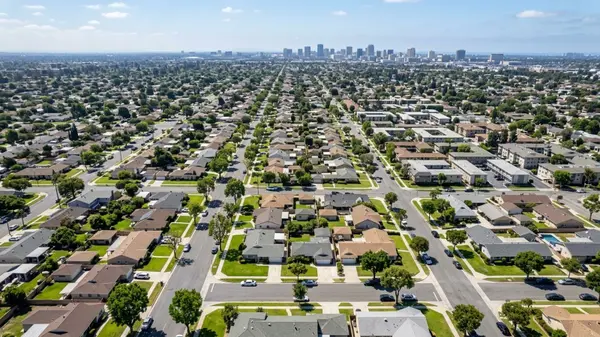
Real estate across the city covers almost every architectural style and density level. Buyers can find historic Craftsman homes in California Heights, mid-century modern tracts in the eastern zip codes, and high-rise waterfront condominiums downtown. This variety allows buyers to choose the exact type of environment they want.
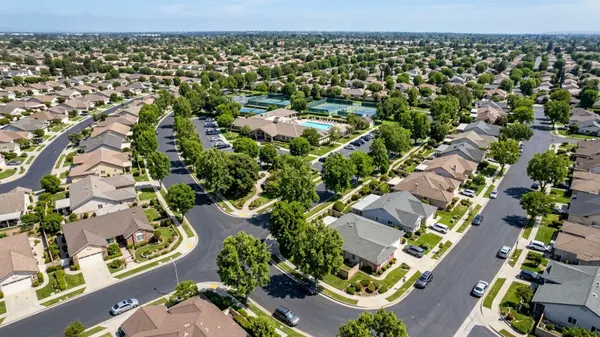
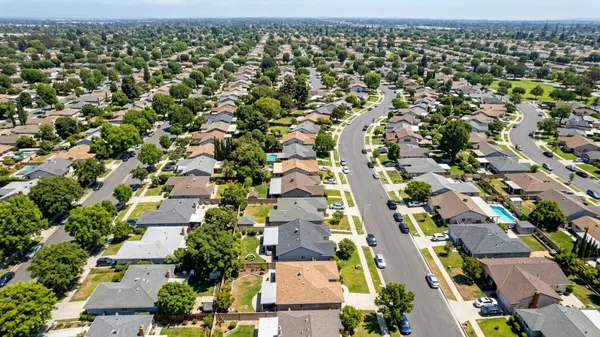
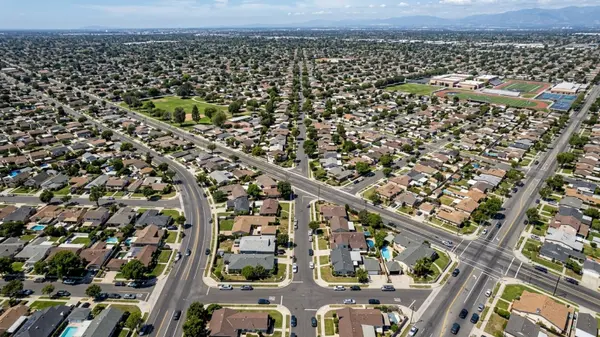
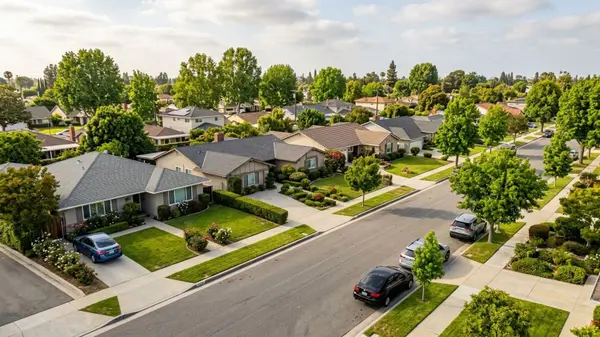
The layout shifts dramatically from neighborhood to neighborhood. Belmont Shore offers dense, urban walkability where homes sit close together and steps from retail. By contrast, Bixby Knolls, CA provides a traditional suburban layout with wider streets, larger lots, and mature trees.
Family-Oriented Neighborhoods
Several neighborhoods appeal to families prioritizing school quality and residential safety:
| Neighborhood | Characteristics |
|---|---|
| Bixby Knolls | Walkable commercial district, community events, family dining |
| Alamitos Heights | Residential streets near Alamitos Bay, established schools, parks |
| El Dorado Park | 390-acre park proximity, nature trails, family activities |
| Naples Island | Waterfront canals, boat parade traditions, premium pricing |
| Los Altos | Suburban character with strong school performance |
Disadvantages of Living in Long Beach
Living in this coastal city comes with the same logistical hurdles found throughout Greater Los Angeles. The local population density places constant pressure on infrastructure, housing inventory, and roadway capacity. Buyers coming from less populated states often experience sticker shock when comparing property sizes to purchase prices.
The city's industrial presence also introduces specific environmental and traffic factors not found in standard residential suburbs. The Port of Long Beach is one of the busiest shipping hubs in the world, and its operations impact the daily lives of residents. Evaluating these downsides is a necessary part of the home-buying process here.
Housing Costs and Daily Expenses
The median sale price for a home in Long Beach, CA sits at roughly $852,500 as of mid-2026. Properties move relatively fast, spending an average of 41 days on the market, and local inventory remains tight with around 740 active listings. This competitive environment keeps the overall cost of living approximately 52% higher than the national average.
Property taxes add to the monthly carrying costs of owning a home here. California charges a baseline 1% state property tax rate, but local city and school bonds typically push the effective rate higher. Buyers should review the specific tax assessments on any property they tour, as these local bonds vary by neighborhood.
Elevated Cost of Living
Long Beach's cost of living sits 50% above the national average, with housing comprising the largest expense at 137% above national benchmarks. Monthly household budgets break down as follows:
| Household Size | Estimated Monthly Cost |
|---|---|
| Single person | $3,400 |
| Couple | $5,350 |
| Family of four | $9,350 |
One-bedroom apartment rent averages $1,577 to $2,487 depending on location and amenities, while studios cost $1,500 to $1,800. Comfortable living requires annual income of approximately $141,840 for families or $70,400 for single individuals, figures that exceed median incomes in many professions.
Traffic Congestion and Parking Constraints
Average local commute times hover around 30 minutes, but regional travel requires far more patience. Peak rush hour trips on Interstate 405 or Interstate 710 to Los Angeles or Irvine routinely exceed 60 to 90 minutes each way. Commuters should test their specific driving route during rush hour before committing to a neighborhood.
Heavy traffic affects the 405 and 710 freeways during peak commute hours, creating delays that conflict with the city's otherwise relaxed coastal atmosphere. This congestion extends quality-of-life impacts beyond simple commute time, affecting access to work, schools, and recreation. Downtown, tourist destinations, and beach areas experience parking limitations that compound transportation challenges during busy periods.
Street parking is a daily challenge in densely populated districts like Alamitos Beach, Belmont Shore, and Downtown Long Beach. Many older apartment buildings and historic homes were built without dedicated garages or driveways. Residents in these areas often circle the block for extended periods looking for an open spot after work.
Strict street sweeping regulations compound the parking shortage. The city requires residents to move their vehicles on designated days so sweepers can clear the gutters. Missing a street sweeping window results in an immediate parking citation, adding a layer of daily logistics for households with multiple cars.
Industrial Port Impact on Air Quality
The Port of Long Beach—among the world's busiest seaports—generates air quality concerns through industrial activity and related truck traffic. Neighborhoods in West Long Beach and areas near the port and 710 freeway experience higher pollution exposure, with measurable impacts on air quality that residents should factor into neighborhood selection, particularly families with respiratory sensitivities or young children.
Neighborhoods directly adjacent to the port and the 710 freeway experience higher levels of diesel emissions and industrial dust. The constant movement of cargo ships, trains, and commercial trucks impacts the air quality in the western and northern parts of the city.
Environmental conditions improve closer to the water. The prevailing coastal breeze pushes much of the industrial exhaust inland, keeping the air cleaner in eastern neighborhoods and along the immediate shoreline. Buyers sensitive to air pollution should monitor local air quality index data for the specific zip codes they are considering.
Neighborhood-Specific Crime Variation
Crime levels differ substantially across Long Beach's four police districts. South Long Beach recorded 1,091 violent crimes in 2024, the highest total, followed by West Long Beach with 873. However, recent data shows positive trends: shootings decreased to a five-year low in early 2025 (133 incidents versus an average of 187), while robberies dropped 18.9%, property crimes fell 23.6%, and motor vehicle thefts declined 33.6%.
| District | Non-Violent Crimes (2024) | Violent Crimes (2024) |
|---|---|---|
| South | 757 | 1,091 |
| North | 950 | 858 |
| East | 966 | 794 |
| West | 743 | 873 |
Inconsistent Public School Performance
The Long Beach Unified School District serves over 60,000 students across the city and surrounding areas. The district operates multiple magnet programs, allowing students to apply to specialized academies focused on subjects like engineering, arts, and marine biology. School ratings and facility conditions vary by neighborhood, so buyers should verify the assigned boundary schools for any prospective address.
Long Beach Unified School District operates as a school of choice system, allowing families to apply to any school with available capacity rather than defaulting to neighborhood assignments. While this provides flexibility, school quality varies considerably across campuses. Elementary schools offer dual immersion programs, middle schools feature specialized programs, and high schools provide different pathway options, requiring parents to research individual schools rather than relying on neighborhood reputation alone.
Higher education also plays a major role in the local economy and culture. California State University, Long Beach enrolls thousands of students and stands as one of the largest employers in the area. The campus brings academic events, collegiate sports, and a steady demand for rental housing to the eastern side of the city.
Seasonal Tourism Crowds
Long Beach's appeal as a tourist destination creates seasonal congestion at beaches, attractions, and restaurants during summer months and holidays. Downtown, Shoreline Village, and Second Street experience particularly heavy visitor traffic during peak periods, which can diminish quality of life for residents seeking to enjoy these amenities during high season.
Noise from Port and Airport Operations
The combination of port operations, Long Beach Airport traffic, and urban density generates notable noise levels in affected areas. Residents near the airport or industrial zones experience consistent noise that city ordinances cannot fully mitigate, representing a quality-of-life consideration for noise-sensitive individuals or those working from home.
Neighborhood Price and Character Comparison
Different neighborhoods offer distinct environments and corresponding price points:
| Neighborhood | Character | Price Tier |
|---|---|---|
| Belmont Shore & Naples Island | Beach proximity, established upscale residential | Premium |
| Downtown | Urban living, new construction luxury apartments | Premium |
| Bixby Knolls & California Heights | Tree-lined streets, historic homes, residential feel | Moderate |
| North Long Beach | Investment activity, neighborhood transition | Entry-level |
| Wrigley | Historic character, community identity | Accessible |
Final Thoughts on the Long Beach Lifestyle
Long Beach, CA offers a distinct environment where industrial port infrastructure meets recreational beaches. The city provides walkable neighborhoods, extensive dining options, and public transit connections that rival larger metropolitan centers. Those amenities draw steady demand from buyers who want coastal living without the isolation of a purely suburban town.
Buyers should balance those lifestyle perks against the realities of a competitive real estate market. With median prices near $852,000 and homes often selling for their full list price, affordability remains a hurdle. Touring different neighborhoods in person is the most effective way to see how parking, traffic, and housing styles vary block by block.
Frequently Asked Questions
What salary do you need to live comfortably in Long Beach, CA?
To cover housing, transportation, and daily expenses, a household typically needs an income well above the national median. With the local cost of living sitting about 52% higher than the national average, buyers should budget carefully for a median home price of $852,500. Lenders generally advise keeping housing costs below 28% of your gross monthly income.
What is the average commute time from Long Beach to Los Angeles?
Driving from Long Beach to Downtown Los Angeles usually takes 45 to 90 minutes during peak morning and evening rush hours. The Metro A Line light rail offers a consistent alternative, taking about an hour from downtown Long Beach to the 7th Street/Metro Center station in LA. Mid-day weekend drives can drop to roughly 30 minutes when the freeways clear out.
What are the most walkable neighborhoods in Long Beach?
Belmont Shore, Downtown Long Beach, and the East Village Arts District offer the highest concentration of walkable retail and dining. Residents in these areas can easily reach grocery stores, cafes, and entertainment without starting a car. Bixby Knolls also features a walkable commercial corridor along Atlantic Avenue, surrounded by quieter residential streets.
What is the best part or neighborhood of Long Beach, CA to live in?
The right neighborhood depends entirely on your housing preferences and daily commute. Buyers seeking historic architecture and larger lots often look at California Heights or Bixby Knolls. Those who prioritize immediate beach access and active nightlife tend to focus on Belmont Shore or the downtown waterfront.
What are the biggest issues or cons of living in Long Beach, CA?
High housing costs, limited street parking, and freeway traffic stand out as the primary challenges. The presence of the Port of Long Beach also introduces air quality concerns, particularly in neighborhoods bordering the 710 freeway.
How difficult is it to find street parking in walkable Long Beach neighborhoods?
Street parking in dense areas like Alamitos Beach and Belmont Shore requires patience, especially after 5:00 PM. Many older residential buildings lack dedicated parking spaces, forcing residents to rely on the street. Weekly street sweeping rules also compel residents to move their cars on a strict schedule to avoid fines.
Is Long Beach safe for families?
Safety varies significantly by neighborhood and district. While South and West Long Beach experience higher violent crime rates, the city shows positive trends with shootings at five-year lows and property crimes declining over 23% in recent data. Families should research specific neighborhoods and visit at different times of day before committing to a location.
How does Long Beach compare to other Southern California beach cities?
Long Beach offers more affordable housing than Santa Monica, Manhattan Beach, or Laguna Beach while maintaining beach access and urban amenities. The tradeoff includes higher crime rates in certain areas, industrial port proximity affecting air quality, and less exclusive beach culture compared to premium Orange County coastal communities.
Are Long Beach schools good?
School quality varies considerably across the district. The school of choice system allows families to apply beyond neighborhood boundaries but requires active research rather than defaulting to proximity-based assignments. Some elementary schools offer strong dual immersion programs while high schools feature different specialized pathways, making individual school investigation essential.
About Rick J. Lee — Long Beach & Coastal OC Real Estate Expert
Rick J. Lee is a Southern California real estate professional with deep expertise in Long Beach, Seal Beach, Huntington Beach, and surrounding coastal communities. As a lifelong Orange County resident with years of hyper-local market knowledge, Rick provides data-driven guidance to help buyers and sellers make confident decisions.
With nearly two decades of experience in television and multimedia production, Rick brings a uniquely skilled marketing approach—using high-quality visuals and strategic storytelling to maximize a home's value in today's competitive market.
Clients trust Rick for his clear communication, hassle-free process, and commitment to treating every buyer and seller like the MVP they are. Whether you're exploring Long Beach neighborhoods or preparing for your next move, Rick delivers proven expertise backed by local insight and professional integrity. He is a member of the National Association of Realtors (NAR), the California Association of Realtors (CAR), and Pacific West Realtors (PWR).
Next Steps: How Rick J. Lee Can Help
If you are considering a move to Long Beach, the most important decisions happen at the neighborhood and even street level. That is where a local expert makes the biggest difference.
Rick can help you:
-
Narrow down neighborhoods based on your budget, commute, school priorities, and lifestyle.
-
Understand realistic crime and safety patterns in the areas you are considering.
-
Compare Long Beach vs. nearby alternatives like Lakewood, Seal Beach, or Huntington Beach.
-
Build a step‑by‑step purchase or relocation plan, from initial search through closing.
When you are ready to dive deeper into Long Beach—or compare it to other Southern California communities—reach out to Rick J. Lee for a personalized consultation tailored to your move.
Categories
- All Blogs (266)
- Aliso Viejo, California (2)
- Anaheim, Calfornia (5)
- Beach House (2)
- Best places for surfers (1)
- Bixby Knolls (1)
- Buena Park, California (2)
- Buying and Selling Real Estate (75)
- Buying or Seller Real Estate (2)
- California (2)
- California Beach House (2)
- Cerritos, California (1)
- Costa Mesa, California (1)
- Current Market (5)
- Cypress, CA (5)
- Dana Point, California (1)
- Downey, California (1)
- Equestrian (1)
- Fountain Valley, California (5)
- FSBO (1)
- Fullerton, California (1)
- Fur Parents (1)
- Garden Grove California (6)
- History (4)
- Holiday in Long Beach (1)
- home (12)
- Home Improvement (1)
- home value (7)
- Huntington Beach (5)
- Irvine, California (3)
- La Habra, California (1)
- Laguna Niguel, California (1)
- Lake Forest, California (1)
- Lakewood Event (2)
- Lakewood, California (40)
- Lifestyle (3)
- Listing (1)
- Long Beach Events (1)
- Long Beach Neighborhood (7)
- Long Beach, California (68)
- Los Alamitos (1)
- Los Alamitos, California (2)
- Market Reports (8)
- Mission Viejo, California (1)
- Mortgage Lender (1)
- Moving to Aliso Viejo, California (2)
- Moving to Anaheim, California (4)
- Moving to Buena Park, California (2)
- Moving to California (11)
- Moving to Cerritos, California (1)
- Moving to Costa Mesa, California (1)
- Moving to Cypress, CA (4)
- Moving to Dana Point, California (1)
- Moving to Downey, California (1)
- Moving to Fountain Valley, California (4)
- Moving to Fullterton, California (1)
- Moving to Garden Grove, California (5)
- Moving to Huntington Beach (5)
- Moving to Irvine, California (3)
- Moving to Lakewood (4)
- Moving to Lakewood, California (7)
- moving to Long Beach, California (17)
- Moving to Los Alamitos, California (2)
- Moving to Los Angeles (1)
- Moving to Mission Viejo, California (1)
- Moving to Newport, California (3)
- Moving to Orange County, California (20)
- Moving to Orange, California (2)
- Moving to Placentia, California (1)
- Moving to Rossmoor, California (1)
- Moving to San Clemente, California (2)
- Moving to Seal Beach, California (4)
- Moving to Signal Hill, California (2)
- Moving to Stanton, California (1)
- Moving to Tustin, California (2)
- Moving to Westminster, California (3)
- New Developments (1)
- Newport Beach, California (3)
- Orange County, California (10)
- Orange, California (3)
- Placentia, California (1)
- Real Estate (47)
- Real Estate Agent (28)
- Rossmoor, California (1)
- San Clemente, California (2)
- San Juan Capistrano, California (1)
- Saving Money (1)
- Seal Beach, California (6)
- Signal Hill, California (5)
- Social Media (1)
- Stagnation (1)
- Stanton, California (1)
- Success Story (1)
- surfing (1)
- Tips in Moving (2)
- Tustin, California (3)
- Westminster, California (3)
Recent Posts

GET MORE INFORMATION