

Year-Round Weather Patterns in Long Beach, CA: What Buyers Should Know
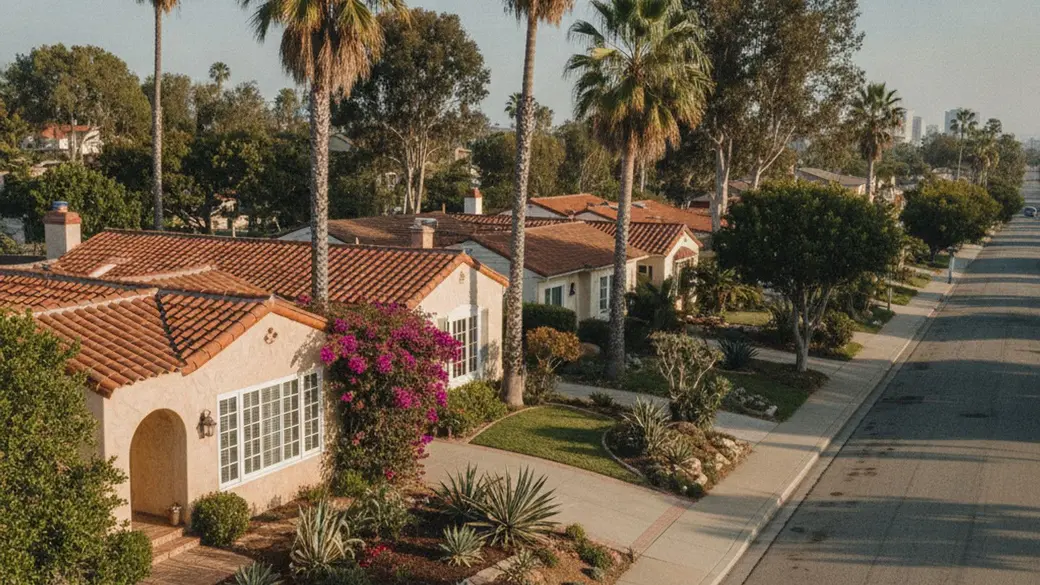
Long Beach, CA sits at a low elevation of about 29 to 31 feet above sea level, giving it a distinct coastal environment. The local climate is a major factor when weighing the pros and cons of living in Long Beach, CA. If you're one of the buyers looking at the city's 740 available homes and wondering what the weather is actually like beyond the Southern California stereotype, it's a fair question - and the answer is more nuanced than you'd expect.
The current median sale price in Long Beach is roughly $852,500. At that price point, understanding the local climate isn't just trivia. It shapes home maintenance, daily utility costs, and what you'll want to look for in any inspection report.
The Long Beach Climate at a Glance
Long Beach carries a Köppen Bsk classification - officially a mid-latitude steppe or semi-arid climate. That means less rainfall than a typical Mediterranean climate, but none of the punishing heat you'd find further inland in the desert.
For gardeners, the city falls into USDA Plant Hardiness Zones 10a and 10b. Builders and renovators should know that Long Beach spans California Title 24 Building Climate Zones 8 and 9, depending on the specific ZIP code and neighborhood. Those classifications aren't just academic - they directly govern building codes for insulation, window efficiency, and HVAC systems. If you're buying an older home, it's worth confirming whether any recent renovations actually meet those Title 24 standards.
Season by Season Weather in Long Beach
Summer temperatures peak late in the season. Average highs reach 79 to 82 degrees Fahrenheit in August and September, though the ocean breeze keeps coastal neighborhoods noticeably cooler than areas further inland in Los Angeles County.
Winter is mild. Overnight lows average in the high 40s to low 50s, with February nights typically settling around 52 degrees. The coldest nights between November and February only occasionally dip below 40 degrees, and freezing temperatures are rare enough to occur roughly once a decade. Frozen pipes simply aren't something most Long Beach homeowners think about.
Spring and Fall Transitions
Spring and fall are short transition periods rather than full seasons in their own right. The marine layer - that low coastal fog Southern California is known for - shows up most reliably during spring mornings, rolling in overnight and burning off by midday.
Fall is actually some of the warmest weather you'll see all year, particularly in September. By late October, temperatures ease off and the wetter winter months begin their approach.
Monthly Temperature Averages
The annual temperature range in Long Beach runs from roughly 48 degrees at the low end to 82 degrees at the high. August is the warmest month, with daytime highs averaging between 79.5 and 82 degrees. December, January, and February are the coldest months - December highs hover around 67 degrees, while February averages near 64 degrees.
One thing worth knowing if you're touring homes in summer: many older coastal properties don't have central air conditioning. They were built to rely on ocean breezes, and for most of the year that works. Late-summer heat waves are what push many new buyers to install modern cooling systems after they move in.
Daily Highs and Lows
Average highs range from about 64 degrees in February up to 79.5 degrees in August, with overnight lows running from 52 degrees in February to nearly 65 degrees in August. That's a narrow band. Outdoor living spaces are genuinely usable for most of the year here, which is why patios and backyard decks carry real value in this market.
Rain, Snow, and Humidity Expectations
Snow doesn't happen here - Long Beach averages zero inches per year. If you're relocating from a colder climate, you can leave the snow shovel behind.
Rain is another story, though not a dramatic one. Annual rainfall estimates range from 5.6 inches up to roughly 13 inches per year, falling on about 40 to 47 days annually. December and February are typically the wettest months. Because the rain is concentrated in winter, roof inspections are a genuine priority for buyers closing in the fall. Gutters and downspouts that are clear before December prevent most of the seasonal water issues you'd otherwise deal with.
Managing Local Humidity
Relative humidity shifts throughout the year. It drops to around 55 percent in November, but climbs to 70 to 71 percent in March and June - that early-summer dampness is directly tied to the coastal marine layer. It sounds uncomfortable on paper, but in practice the moisture burns off by afternoon, leaving evenings that feel dry and comfortable.
Natural Hazards and Severe Weather
Tornadoes and hurricanes are rare events in Long Beach. The city does get occasional high wind warnings - including winter events with sustained winds over 40 mph and gusts up to 58 mph - but severe storms aren't a defining feature of life here.
Wildfire risk is relatively low given the urban, coastal location. Only about 3 percent of buildings are considered at risk, concentrated in a handful of census tracts near wildland areas. That said, the danger on extreme fire-weather days is rated very high, so it's not something to dismiss entirely.
Flood risk is a more prominent concern. About 31 percent of buildings face substantial flood risk, and the area also carries elevated drought and heat risk ratings. That 31 percent figure is worth sitting with - it's high enough that every buyer should be pulling FEMA flood maps before making an offer.
Climate Trends to Watch
Climate projections indicate that risk on the most dangerous fire-weather days will increase through 2050. If you're thinking about this as a long-term investment, reviewing local hazard maps now is just part of doing your homework.
Upgrading a home's exterior with fire-resistant materials and making sure drainage is solid ahead of winter storms are the kinds of property investments that address the specific environmental realities of Southern California - not generic advice, but work that actually matters here.
Timing Your Move to Long Beach
Homes in Long Beach currently spend a median of 41 days on the market, and with 194 homes sold recently, the market stays active all year. Sellers tend to list in spring to take advantage of mild temperatures and landscaping that's at its best. Buyers touring in late summer will see the year's warmest conditions, while winter house-hunters get a useful look at how a home actually handles the rainy season.
Moving companies are busiest in summer, but the consistent weather makes a winter move entirely practical. You won't be coordinating your closing date around a blizzard.
Finding the Right Property
Climate factors into what you should prioritize in your search. Homes with updated HVAC systems, drought-tolerant landscaping, and proper grading for drainage are worth a closer look. It also helps to tour properties at different times of day - seeing how the marine layer and afternoon sun move through a home tells you things a listing photo never will.
Frequently Asked Questions
What is the best time of year to list a house in Long Beach to take advantage of the local weather?
Spring and early summer are excellent times to list a home in Long Beach. The weather is mild before the August heat arrives, and the marine layer often keeps mornings cool for weekend open houses.
Do I need flood insurance for a Long Beach home due to winter coastal storms?
It depends on the specific property location. About 31 percent of buildings in Long Beach face substantial flood risk, so buyers should check the FEMA flood maps for their target neighborhood.
What weather-related wear and tear, like salt air damage, should buyers look for during a Long Beach home inspection?
Buyers should look for exterior corrosion on metal fixtures and check the condition of the roof before the wet winter months. With rain concentrated in December and February, ensuring the home is sealed against moisture is a priority.
Is central air conditioning necessary for resale value in Long Beach, or is the ocean breeze enough?
It depends on the buyer's tolerance for heat. While the ocean breeze cools the area, August and September see average highs around 79 to 82 degrees, making central air conditioning a valuable feature for many buyers.
How does the 'June Gloom' marine layer affect home showings and buyer traffic in coastal neighborhoods?
The marine layer can make morning showings feel overcast and damp, as relative humidity reaches up to 71 percent in June. Sellers often schedule afternoon showings when the sun burns off the fog, improving the home's natural light.
How are king tides and seasonal flooding impacting waterfront real estate values in Long Beach, CA?
Seasonal flooding is a known factor for coastal properties, especially with 31 percent of local buildings at risk of flooding. Buyers evaluate these risks carefully, often prioritizing homes with updated drainage or elevated foundations.
Categories
- All Blogs (282)
- Aliso Viejo, California (2)
- Anaheim, Calfornia (5)
- Beach House (2)
- Best places for surfers (1)
- Bixby Knolls (1)
- Buena Park, California (2)
- Buying and Selling Real Estate (75)
- Buying or Seller Real Estate (2)
- California (2)
- California Beach House (2)
- Cerritos, California (1)
- Costa Mesa, California (1)
- Current Market (5)
- Cypress, CA (5)
- Dana Point, California (1)
- Downey, California (1)
- Equestrian (1)
- Fountain Valley, California (5)
- FSBO (1)
- Fullerton, California (1)
- Fur Parents (1)
- Garden Grove California (6)
- History (4)
- Holiday in Long Beach (1)
- home (12)
- Home Improvement (1)
- home value (7)
- Huntington Beach (5)
- Irvine, California (3)
- La Habra, California (1)
- Laguna Niguel, California (1)
- Lake Forest, California (1)
- Lakewood Event (2)
- Lakewood, California (46)
- Lifestyle (3)
- Listing (1)
- Long Beach Events (1)
- Long Beach Neighborhood (7)
- Long Beach, California (77)
- Los Alamitos (1)
- Los Alamitos, California (2)
- Market Reports (8)
- Mission Viejo, California (1)
- Mortgage Lender (1)
- Moving to Aliso Viejo, California (2)
- Moving to Anaheim, California (4)
- Moving to Buena Park, California (2)
- Moving to California (11)
- Moving to Cerritos, California (1)
- Moving to Costa Mesa, California (1)
- Moving to Cypress, CA (4)
- Moving to Dana Point, California (1)
- Moving to Downey, California (1)
- Moving to Fountain Valley, California (4)
- Moving to Fullterton, California (1)
- Moving to Garden Grove, California (5)
- Moving to Huntington Beach (5)
- Moving to Irvine, California (3)
- Moving to Lakewood (4)
- Moving to Lakewood, California (7)
- moving to Long Beach, California (17)
- Moving to Los Alamitos, California (2)
- Moving to Los Angeles (1)
- Moving to Mission Viejo, California (1)
- Moving to Newport, California (3)
- Moving to Orange County, California (20)
- Moving to Orange, California (2)
- Moving to Placentia, California (1)
- Moving to Rossmoor, California (1)
- Moving to San Clemente, California (2)
- Moving to Seal Beach, California (4)
- Moving to Signal Hill, California (2)
- Moving to Stanton, California (1)
- Moving to Tustin, California (2)
- Moving to Westminster, California (3)
- New Developments (1)
- Newport Beach, California (3)
- Orange County, California (10)
- Orange, California (3)
- Placentia, California (1)
- Real Estate (47)
- Real Estate Agent (28)
- Rossmoor, California (1)
- San Clemente, California (2)
- San Juan Capistrano, California (1)
- Saving Money (1)
- Seal Beach, California (6)
- Signal Hill, California (5)
- Social Media (1)
- Stagnation (1)
- Stanton, California (1)
- Success Story (1)
- surfing (1)
- Tips in Moving (2)
- Tustin, California (3)
- Westminster, California (3)
Recent Posts
GET MORE INFORMATION