

How to Price Your Home to Sell in Lakewood, CA
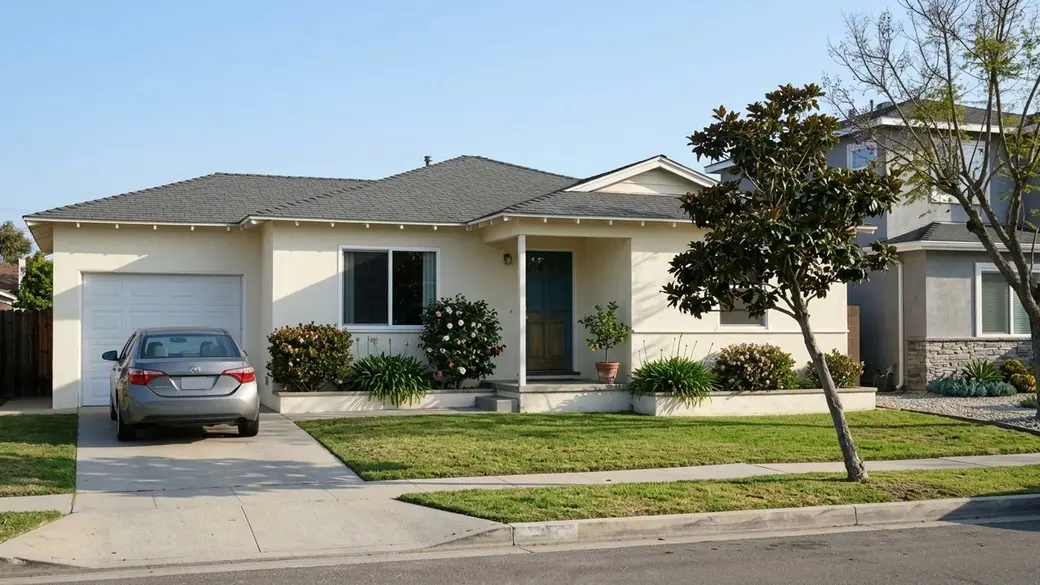
The median sale price for a home in Lakewood, CA right now is around $890,000. Buyers are active, and things are moving - but picking a number out of thin air rarely gets you the best return. Setting the right asking price means understanding local buyer behavior, recent sales data, and what's sitting on the market.
Different pricing strategies in Lakewood, CA work better depending on your goals and your timeline. With roughly 1.9 months of housing supply available, sellers have the upper hand - but buyers haven't lost their ability to spot an overvalued listing. A well-priced home pulls in serious offers. An overpriced one sits, and usually ends up selling for less than it would have if it had been priced right the first time.
Understanding Local Market Dynamics
Homes in Lakewood are selling in roughly 40 days on average, with just 80 active listings available. That 1.9 months of supply puts this firmly in seller's market territory - more buyers hunting than homes available.
That said, even a favorable market has a ceiling. About 52% of homes recently sold above list price, pushing the average sale-to-list ratio to just over 100.8%. That happens when a seller prices to reflect the home's actual condition and location, which gives buyers a reason to compete rather than keep scrolling.
Supply and Demand in Los Angeles County
Lakewood sits in a competitive pocket of Los Angeles County where demand consistently outpaces supply. When only a handful of properties hit the market in a given week, buyers are watching new listings closely and scheduling tours fast.
Sellers who understand that can use it. A home priced in line with recent sales draws a larger pool of buyers and raises the odds of seeing multiple offers in the first few weeks.
How Days on Market Affects Your Sale
Real estate agents track Days on Market (DOM) to measure how long a property has been actively listed. Earlier this year, homes in Lakewood were going under contract in about 31 days. That average is currently 40 days - and homes that drift well past it start raising questions.
Buyers assume something is wrong with a house that's been sitting for 60 or 90 days. The longer the DOM climbs, the more comfortable buyers feel submitting low offers, because they sense the seller is getting anxious.
Three Approaches to Setting Your List Price
Every seller wants the highest possible return, but how you get there depends on your situation. Choosing an asking price means looking at what comparable homes have sold for and deciding how you want to position yours against the current competition.
There are three main ways to approach the initial list price, and each carries real trade-offs depending on how quickly you need to move and what makes your property stand out.
Pricing at Fair Market Value
Listing at fair market value means pricing in line with recent comparable sales in your specific Lakewood neighborhood. It signals to buyers - and their agents - that you're serious and realistic.
Buyers appreciate a price that matches their own research. This approach tends to produce a steady flow of showings and a cleaner path to a fair offer, without the drag of price reductions down the road.
Pricing Slightly Below Market Value
Setting the asking price just below what the data supports is a deliberate move to spark immediate interest. You're positioning the home as a perceived bargain, and the goal is to get more people through the door.
What you're after is a bidding war. When multiple buyers realize they're competing for the same property, they push their offers up - often past the actual fair market value.
Testing the Market with a Higher Price
Some sellers list above recent comparable sales, looking for a buyer willing to pay a premium - someone chasing a specific feature, or someone who's lost out on other homes and is tired of it.
This can occasionally work. But you need patience, and you need to be prepared for fewer showings, a longer wait, and the real possibility of a price cut before you find a buyer.
The Risks of Overpricing Your Property
Overpricing is one of the most common mistakes sellers make. The logic seems reasonable - leave room to negotiate - but an inflated price often stops the negotiation before it starts.
Buyers use price filters when searching online. Push your home into a higher bracket and it's now competing against larger, more updated properties. Next to those, an overpriced listing looks like a bad deal and gets skipped.
Stale Listings and Buyer Perception
The MLS tracks a property's full history, and buyers can see exactly how long a home has been listed and whether the price has dropped. A price reduction carries a stigma - it tells the market the seller didn't know what they had.
Once a listing goes stale, the momentum is gone. Sellers typically end up accepting less than they would have received with an accurate price from day one.
Appraisal Shortfalls and Mortgage Contingencies
Even if a buyer agrees to an inflated price, their lender will order an appraisal. The appraiser uses the same recent sales data agents use - and if the home doesn't appraise for the contract price, the lender won't finance the difference.
When that happens, the buyer and seller have to renegotiate, the buyer has to bring extra cash to closing, or the deal falls apart. Accurate pricing prevents all of that.
Determining Your Home's True Value
Online automated estimates give you a rough ballpark, but they can't walk through your front door and see your kitchen renovation or the condition of your roof. A real valuation requires a hands-on, localized look at the property.
Real estate professionals use detailed data and physical walk-throughs to figure out exactly where your home sits in the current market - not where an algorithm guesses it sits.
The Comparative Market Analysis
A Comparative Market Analysis (CMA) is an in-depth review of recently sold homes, pending sales, and active listings in your immediate area. By comparing your property to similar homes that have closed in the last three to six months, agents establish a realistic price range.
The CMA accounts for square footage, lot size, bedroom counts, and location nuances - whether the home backs up to a busy street or a quiet park, for instance. That data is the foundation of any solid pricing plan.
Factoring in Upgrades and Condition
Not all square footage is equal. A home with a fully renovated kitchen and updated bathrooms commands more than a similar layout that hasn't been touched since the 1980s.
Document your recent improvements - a new HVAC system, upgraded flooring, whatever you've put into the place. Those details get factored into the asking price, so you get credit for what you've spent.
Frequently Asked Questions About Lakewood Home Pricing
Should I price my home higher than what I want to get in Lakewood, CA?
No. Price it at or slightly below fair market value. Pricing higher to leave room for negotiation usually backfires - it reduces buyer interest, lets the home sit, and pushes it into a price bracket where buyers expect more features than you're offering.
What happens if I price my house too high in the Lakewood market?
It will typically sit longer than the current 40-day average. That turns into a stale listing, which means a price drop, which tells buyers you're anxious to sell - and that invites lowball offers. And even if a buyer agrees to the high price, the home may still fail the lender's appraisal.
How do Lakewood real estate agents determine the right price for a home?
They run a Comparative Market Analysis (CMA) - a review of recent sales of similar homes in your specific neighborhood - then adjust that baseline for your home's condition, recent upgrades, and the current 1.9 months of housing supply in the local market.
Is it better to price my Lakewood home lower 'as-is' or invest in repairs to ask for a premium price?
It depends on your timeline and what the repairs are. Minor cosmetic updates - fresh paint, landscaping - often return well and support a higher list price. Major structural work usually doesn't come back dollar-for-dollar, so selling as-is at a lower price can be the faster, more practical move.
How long does it typically take for a competitively priced home to go under contract in Lakewood?
Right now, competitively priced homes are going under contract in roughly 40 days. Earlier in the year that average was closer to 31 days. Homes that are priced correctly and show well often see offers within the first few weeks.
Does my specific Lakewood neighborhood, like Mutual Woods or Mayfair, affect which pricing strategy I should use?
Yes. Local demand drives the decision. If you're in a popular subdivision with zero active listings, pricing slightly below market value could trigger a bidding war. In a neighborhood with more active inventory, pricing right at fair market value is usually the safer call.
Categories
- All Blogs (282)
- Aliso Viejo, California (2)
- Anaheim, Calfornia (5)
- Beach House (2)
- Best places for surfers (1)
- Bixby Knolls (1)
- Buena Park, California (2)
- Buying and Selling Real Estate (75)
- Buying or Seller Real Estate (2)
- California (2)
- California Beach House (2)
- Cerritos, California (1)
- Costa Mesa, California (1)
- Current Market (5)
- Cypress, CA (5)
- Dana Point, California (1)
- Downey, California (1)
- Equestrian (1)
- Fountain Valley, California (5)
- FSBO (1)
- Fullerton, California (1)
- Fur Parents (1)
- Garden Grove California (6)
- History (4)
- Holiday in Long Beach (1)
- home (12)
- Home Improvement (1)
- home value (7)
- Huntington Beach (5)
- Irvine, California (3)
- La Habra, California (1)
- Laguna Niguel, California (1)
- Lake Forest, California (1)
- Lakewood Event (2)
- Lakewood, California (46)
- Lifestyle (3)
- Listing (1)
- Long Beach Events (1)
- Long Beach Neighborhood (7)
- Long Beach, California (77)
- Los Alamitos (1)
- Los Alamitos, California (2)
- Market Reports (8)
- Mission Viejo, California (1)
- Mortgage Lender (1)
- Moving to Aliso Viejo, California (2)
- Moving to Anaheim, California (4)
- Moving to Buena Park, California (2)
- Moving to California (11)
- Moving to Cerritos, California (1)
- Moving to Costa Mesa, California (1)
- Moving to Cypress, CA (4)
- Moving to Dana Point, California (1)
- Moving to Downey, California (1)
- Moving to Fountain Valley, California (4)
- Moving to Fullterton, California (1)
- Moving to Garden Grove, California (5)
- Moving to Huntington Beach (5)
- Moving to Irvine, California (3)
- Moving to Lakewood (4)
- Moving to Lakewood, California (7)
- moving to Long Beach, California (17)
- Moving to Los Alamitos, California (2)
- Moving to Los Angeles (1)
- Moving to Mission Viejo, California (1)
- Moving to Newport, California (3)
- Moving to Orange County, California (20)
- Moving to Orange, California (2)
- Moving to Placentia, California (1)
- Moving to Rossmoor, California (1)
- Moving to San Clemente, California (2)
- Moving to Seal Beach, California (4)
- Moving to Signal Hill, California (2)
- Moving to Stanton, California (1)
- Moving to Tustin, California (2)
- Moving to Westminster, California (3)
- New Developments (1)
- Newport Beach, California (3)
- Orange County, California (10)
- Orange, California (3)
- Placentia, California (1)
- Real Estate (47)
- Real Estate Agent (28)
- Rossmoor, California (1)
- San Clemente, California (2)
- San Juan Capistrano, California (1)
- Saving Money (1)
- Seal Beach, California (6)
- Signal Hill, California (5)
- Social Media (1)
- Stagnation (1)
- Stanton, California (1)
- Success Story (1)
- surfing (1)
- Tips in Moving (2)
- Tustin, California (3)
- Westminster, California (3)
Recent Posts
GET MORE INFORMATION