

What to Expect From Seller Disclosures in Lakewood, CA
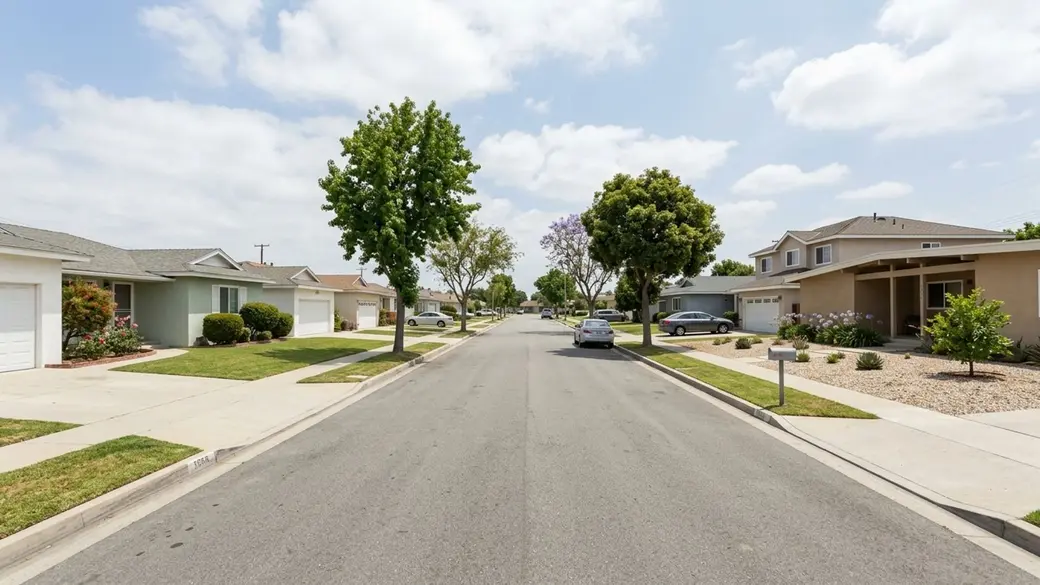
The median home price in Lakewood, CA is currently around $890,000. With homes spending roughly 40 days on the market, transactions move at a steady pace - and that means anyone selling a home in Lakewood, CA needs their paperwork ready before the offers start coming in.
A major part of that paperwork is the property disclosure. California law requires sellers to give buyers detailed information about the condition of the home before the sale closes. Knowing which forms to fill out and when they're due is what keeps everything on track.
Understanding the Seller Disclosure Statement
In California, the primary document used to report a property's condition is the Transfer Disclosure Statement, or TDS. It's a legally required checklist where sellers detail the home's features and any known issues - and the state standardizes it, so buyers receive consistent information no matter where in California they're buying.
Sellers work through the form and check off appliances, structural features, and systems included in the sale, noting whether those items are in operating condition. Done honestly, it gives a buyer a clear picture of exactly what they're getting.
What the Transfer Disclosure Statement Covers
The TDS asks for specifics about the roof, plumbing, heating, and electrical systems. Sellers must list any significant defects or malfunctions they know about. It also asks about neighborhood nuisances, property line disputes, and unpermitted additions. The goal is to surface anything that could affect the buyer's decision or the home's value.
Why Disclosures Protect Both Parties
For buyers, the disclosure statement serves as a baseline for the home's condition before they even hire an inspector. It flags areas that deserve closer attention during the due diligence period.
For sellers, a thorough and accurate TDS reduces the risk of post-sale disputes. If you disclose a known issue upfront, the buyer can't come back later and claim you misled them. That's worth a lot.
California Real Estate Disclosure Laws
California Civil Code Section 1102 outlines what sellers are legally obligated to share when transferring residential property. The requirement applies to most residential sales involving one to four units, and sellers complete the forms to the best of their personal knowledge at the time of sale.
The law doesn't expect you to hire your own inspector to hunt for hidden problems. It simply requires that you share what you already know.
Mandatory Disclosures in the State
Alongside the TDS, sellers provide a Natural Hazard Disclosure (NHD) report, which indicates whether the property sits in a flood zone, fire hazard severity zone, or earthquake fault zone. Sellers also complete a Seller Property Questionnaire (SPQ), which goes deeper into insurance claims, past repairs, and water damage. Together, these documents form the standard residential disclosure package for the state.
Exemptions and As-Is Sales
Certain transfers are exempt from the standard disclosure requirements - typically foreclosure sales, probate sales, and transfers between spouses.
Selling a home "as-is" is not one of those exemptions. Under California law, a waiver of the disclosure duty is void as against public policy. You still have to reveal known defects even if you're refusing to pay for repairs. The as-is label covers your wallet, not your obligation to tell the truth.
Penalties for Failing to Disclose
Under California Civil Code Section 1102.13, any person who willfully or negligently violates these rules is liable for the actual damages suffered by the buyer. Hide a bad roof, and you could end up paying for its replacement after closing.
That said, the law also states that a real estate transfer is not invalidated solely due to a failure to comply with the disclosure requirements. The sale stands, but the buyer can pursue financial compensation for whatever wasn't disclosed.
How California Handles Property Disclosures
California handles sale prices and property conditions differently than some other states. Some states keep the final sale price of a home private - California makes sale prices public record after closing. When buyers ask whether California is a non-disclosure state, they're usually mixing up price transparency with property condition laws. California requires extensive disclosure on both fronts.
Sale Price vs. Property Condition
The final purchase price of a home in Lakewood becomes part of the public tax record, which lets appraisers and buyers accurately assess neighborhood property values. Property condition disclosures, on the other hand, stay between the buyer and the seller. The TDS and NHD don't become public county records - they're private transaction documents.
What This Means for Lakewood Buyers
Buyers here have access to complete data when making an offer. You can see what nearby homes sold for and rely on the seller's detailed report of the property's condition. With local homes selling for slightly above list price on average - the sale-to-list ratio is currently around 100.8% - having all the facts matters when you're deciding how to bid.
Completing the Real Property Disclosure Form
The standard real property disclosure form is mostly checkboxes and short explanation lines. Sellers read each question and answer honestly based on their current knowledge. Before you start, pull together past repair invoices and warranties - having those on hand makes it much easier to provide accurate dates and details.
Structural and System Conditions
The TDS requires sellers to identify the condition of the home's primary systems: HVAC, plumbing, electrical panels, and sewer lines. Sellers also report on structural elements like the foundation, roof, and exterior walls. If the foundation settles or the roof leaks during heavy rain, that goes here.
Natural Hazard Disclosures
The NHD report is typically generated by a third-party company, not filled out by hand. The seller purchases the report and provides it to the buyer. It covers state-mapped hazard zones - which are common in Southern California - and tells the buyer whether they might need specialized insurance, such as an earthquake or flood policy.
Known Defects and Repairs
Sellers must disclose past repairs and any ongoing defects. If a pipe burst three years ago and was professionally repaired, you note the incident and the fix.
Disclosing a past repair isn't a red flag - it shows the home has been maintained. It's always better to over-disclose a fixed issue than to have a buyer discover evidence of it during the inspection and start wondering what else you're not saying.
Disclosure Deadlines and Transaction Timing
State law and standard real estate contracts dictate exactly when disclosure documents must change hands. Delays can extend the buyer's contingency periods, which is the last thing a seller wants. With about 80 homes currently in the Lakewood inventory, buyers have options - sellers who get their paperwork in promptly signal that they're organized and serious.
When Sellers Must Deliver the Forms
Civil Code Section 1102.3(a) requires the TDS to be delivered as soon as practicable before the transfer of title. In practice, the standard California Association of Realtors (C.A.R.) Residential Purchase Agreement tightens that up to within seven days of contract acceptance. The easiest way to hit that deadline without scrambling? Complete the forms when you list the house.
Buyer Rescission Windows
Buyers have a specific window to review the disclosures and back out if they find something unacceptable. Under Civil Code Section 1102.3, if the TDS is delivered after the buyer signs the purchase offer, they have three days to cancel if it was delivered in person. If the disclosure arrives by mail or as an electronic record, that window extends to five days.
One thing sellers sometimes don't realize: oral cancellation isn't legally effective. Written notice of termination is required.
Los Angeles County Recording Practices
Once the transaction is complete, the final deed is recorded with Los Angeles County, and the county updates the public record with the new owner's name and the final sale price. The disclosure documents themselves never go to the county recorder. They stay private - kept by the buyer, the seller, and their respective brokerages.
Frequently Asked Questions
Is California a non-disclosure state?
No. California requires full disclosure of both the final property sale price and the physical condition of the home. Sale prices become public county records, and sellers must provide detailed condition reports to buyers.
What must a seller legally disclose in California?
Sellers must disclose all known material facts affecting the value or desirability of the property. This includes structural defects, past repairs, neighborhood nuisances, and whether the home sits in a natural hazard zone.
When is the seller property disclosure due in California?
State law requires delivery as soon as practicable before the transfer of title. In practice, the standard C.A.R. Residential Purchase Agreement requires sellers to provide the documents within seven days of contract acceptance.
Are there any local city-specific disclosures required when selling a house in Lakewood, CA?
No specific Lakewood disclosures are noted beyond standard Los Angeles County and California state requirements. Sellers must complete the standard Transfer Disclosure Statement and Natural Hazard Disclosure for all transactions.
Do I still have to provide a disclosure statement if I am selling my Lakewood home as-is?
Yes. Under California law, a waiver of the disclosure duty is void as against public policy. You must still provide the Transfer Disclosure Statement and reveal known defects, even in an as-is sale.
What happens if a seller fails to disclose a known property defect to a buyer in Lakewood?
Under California Civil Code Section 1102.13, a seller who willfully or negligently fails to disclose known defects is liable for the actual damages suffered by the buyer. While the sale itself is not invalidated, the buyer can sue for the cost of repairs.
Categories
- All Blogs (282)
- Aliso Viejo, California (2)
- Anaheim, Calfornia (5)
- Beach House (2)
- Best places for surfers (1)
- Bixby Knolls (1)
- Buena Park, California (2)
- Buying and Selling Real Estate (75)
- Buying or Seller Real Estate (2)
- California (2)
- California Beach House (2)
- Cerritos, California (1)
- Costa Mesa, California (1)
- Current Market (5)
- Cypress, CA (5)
- Dana Point, California (1)
- Downey, California (1)
- Equestrian (1)
- Fountain Valley, California (5)
- FSBO (1)
- Fullerton, California (1)
- Fur Parents (1)
- Garden Grove California (6)
- History (4)
- Holiday in Long Beach (1)
- home (12)
- Home Improvement (1)
- home value (7)
- Huntington Beach (5)
- Irvine, California (3)
- La Habra, California (1)
- Laguna Niguel, California (1)
- Lake Forest, California (1)
- Lakewood Event (2)
- Lakewood, California (46)
- Lifestyle (3)
- Listing (1)
- Long Beach Events (1)
- Long Beach Neighborhood (7)
- Long Beach, California (77)
- Los Alamitos (1)
- Los Alamitos, California (2)
- Market Reports (8)
- Mission Viejo, California (1)
- Mortgage Lender (1)
- Moving to Aliso Viejo, California (2)
- Moving to Anaheim, California (4)
- Moving to Buena Park, California (2)
- Moving to California (11)
- Moving to Cerritos, California (1)
- Moving to Costa Mesa, California (1)
- Moving to Cypress, CA (4)
- Moving to Dana Point, California (1)
- Moving to Downey, California (1)
- Moving to Fountain Valley, California (4)
- Moving to Fullterton, California (1)
- Moving to Garden Grove, California (5)
- Moving to Huntington Beach (5)
- Moving to Irvine, California (3)
- Moving to Lakewood (4)
- Moving to Lakewood, California (7)
- moving to Long Beach, California (17)
- Moving to Los Alamitos, California (2)
- Moving to Los Angeles (1)
- Moving to Mission Viejo, California (1)
- Moving to Newport, California (3)
- Moving to Orange County, California (20)
- Moving to Orange, California (2)
- Moving to Placentia, California (1)
- Moving to Rossmoor, California (1)
- Moving to San Clemente, California (2)
- Moving to Seal Beach, California (4)
- Moving to Signal Hill, California (2)
- Moving to Stanton, California (1)
- Moving to Tustin, California (2)
- Moving to Westminster, California (3)
- New Developments (1)
- Newport Beach, California (3)
- Orange County, California (10)
- Orange, California (3)
- Placentia, California (1)
- Real Estate (47)
- Real Estate Agent (28)
- Rossmoor, California (1)
- San Clemente, California (2)
- San Juan Capistrano, California (1)
- Saving Money (1)
- Seal Beach, California (6)
- Signal Hill, California (5)
- Social Media (1)
- Stagnation (1)
- Stanton, California (1)
- Success Story (1)
- surfing (1)
- Tips in Moving (2)
- Tustin, California (3)
- Westminster, California (3)
Recent Posts

GET MORE INFORMATION