

Comparing Real Estate in Long Beach, CA vs. San Diego in 2026
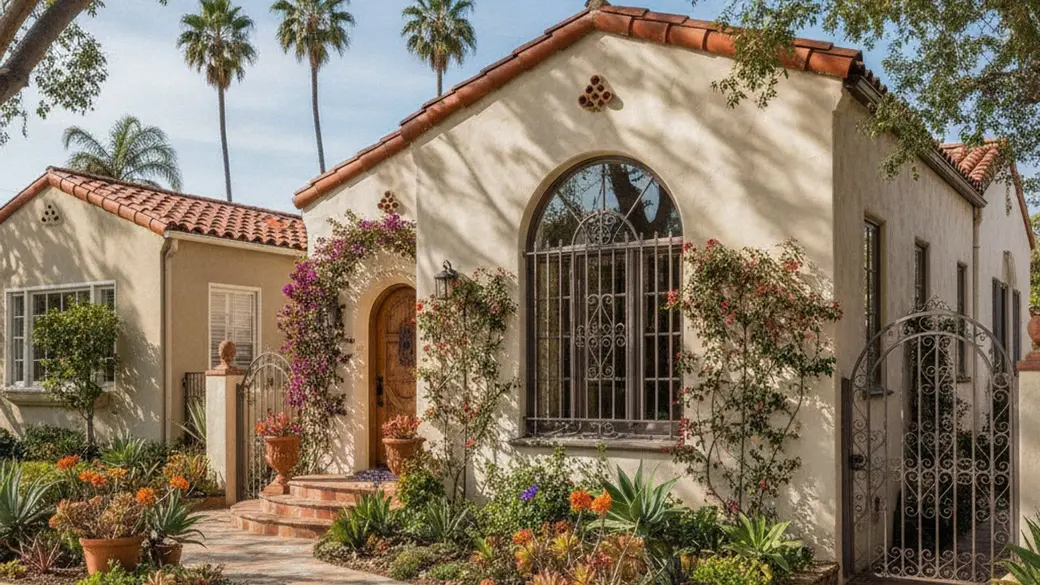
Long Beach and San Diego sit about 106 to 108 miles apart along the Southern California coastline. In normal traffic, you're looking at one hour and 50 minutes to two hours behind the wheel. Buyers who end up shopping both cities and weighing the pros and cons of living in Long Beach, CA are usually trying to sort out one core question: do you want the urban density of Los Angeles County, or the distinct coastal neighborhoods of San Diego County?
That choice comes down to housing budgets, architectural preferences, and where you're actually driving to every morning. Both cities put you within reach of the Pacific, but they operate at different price points and with different property types. Getting a real handle on the cost of living in Long Beach vs. San Diego means digging into median home prices, property tax rates, and what's actually sitting on the market right now.
Deciding Between Long Beach and San Diego
The roughly 106 to 108 miles between these two cities translates to just under two hours on an average day - not a commute anyone's doing regularly. Buyers tend to look at both when they want Southern California coastal living without planting themselves in the middle of Los Angeles. Long Beach anchors the southern edge of Los Angeles County; San Diego anchors its own county further south.
They're genuinely different cities to live in. Long Beach is a concentrated urban core wrapped in historic residential neighborhoods. San Diego covers a much larger geographic footprint and gives buyers a wider range of suburban and coastal enclaves to choose from. Before you fall in love with either one, figure out where you're actually working. The highways connect them, but nobody's driving between these two cities on a daily basis.
Comparing the Housing Markets
As of mid-2026, the median sale price in Long Beach sits at approximately $852,500. Homes there are spending about 41 days on the market before selling, and there are currently around 740 active listings - roughly 3.8 months of supply.
San Diego runs higher across the board. Over the three months ending in May 2026, San Diego homes sold for a median price of $954,000. Depending on whether you're looking at single-family homes or including condos, average prices in some San Diego zip codes clear the $1 million mark without much trouble.
Home Prices and Market Pace
In Long Beach, the average sale-to-list ratio is sitting at nearly 100%. Sellers are getting what they're asking for. The market isn't giving much away.
San Diego moves at a comparable pace, but the higher entry price shifts the buyer pool. A budget of $850,000 in Long Beach can realistically get you into a single-family home. That same budget in San Diego is more likely to put you in a condo or push you inland.
Architectural Styles and Property Types
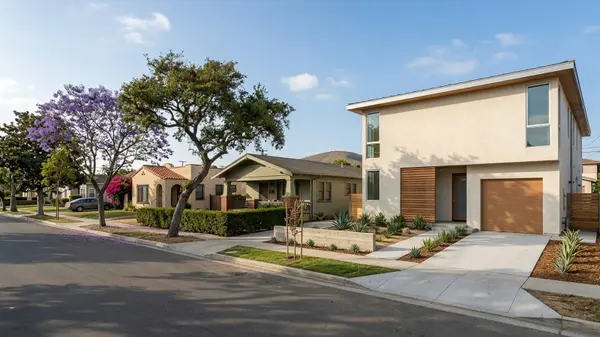
Long Beach has a serious collection of early-20th-century architecture and designated historic districts. California Heights is the largest of them - about 1,500 homes, predominantly Spanish Colonial Revival, built in the late 1920s. You'll also find Craftsman Bungalows, Queen Anne, Tudor Revival, and American Foursquare styles throughout the city.
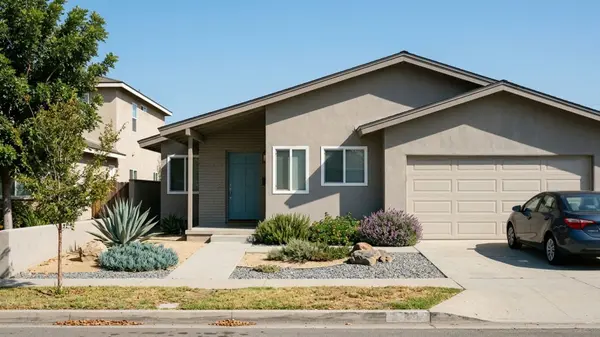
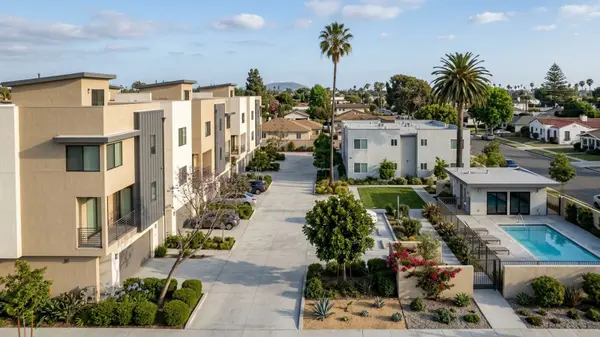
San Diego's housing stock is a different mix: mid-century tract homes, modern coastal builds, Spanish-style properties. The density in Long Beach is higher - coastal condos and historic bungalows sitting close together. San Diego opens up considerably as you move east from the coast, with more variation in lot sizes and suburban layouts.
Ownership Expenses and Daily Costs
The effective property tax rate in Los Angeles County is approximately 0.69% of assessed value. On a Long Beach home at the $852,500 median, that's a base annual property tax bill of roughly $5,882 - just below the broader California state average of 0.71%.
San Diego County is a different story. Most homeowners there pay an effective rate between 1.1% and 1.2%. At a 1.15% rate on a $954,000 median-priced home, you're looking at an annual tax bill of almost $11,000. That's not a rounding error - it's a real budget line.
Property Taxes in Los Angeles vs. San Diego Counties
That gap in property tax rates is one of the most significant factors when you're comparing the actual cost of living in Long Beach vs. San Diego. The higher San Diego rate adds hundreds of dollars to a monthly mortgage payment. Run those numbers before you set your budget, not after.
Both counties reassess property values when ownership changes. Whatever you pay for the home becomes the base year value for future assessments - same rule in either city.
Ongoing Utility and Maintenance Costs
Housing-adjacent expenses run high across Southern California generally. Coastal insurance policies and regular exterior maintenance are real line items in either market.
The older historic homes in Long Beach can carry more upkeep, particularly when you're dealing with plumbing and electrical systems from the 1920s. Newer San Diego builds might have lower immediate maintenance costs, but HOA fees often come with the territory.
Commuting and Regional Access
Long Beach commuters lean on Interstate 405 and Interstate 710 to get around the region. Those highways connect the city to employment hubs throughout Los Angeles and Orange Counties. For flights, residents have Long Beach Airport (LGB) - smaller and considerably less painful than LAX.
San Diego moves on Interstate 5 and Interstate 8, running traffic north-south and east-west across the county. San Diego International Airport (SAN) handles regional air travel and sits just minutes from the downtown core.
Climate and Coastal Access
Both cities run on a Mediterranean climate - mild, wet winters and warm, dry summers, with ocean breezes keeping coastal neighborhoods from getting too hot. That part's roughly equal.
What changes is how quickly the temperature climbs when you move inland. A few miles from the coast in either city, and summer days feel noticeably warmer. If the microclimate matters to you, visit your target neighborhoods at different times of day and pay attention to when the marine layer burns off.
Highways and Transit Infrastructure
The I-5 corridor is San Diego's main connection to the rest of Southern California. If you're commuting toward Orange County or downtown San Diego, this route is setting your daily schedule.
Long Beach sits at the intersection of major Los Angeles transit routes. The I-405 cuts directly through the city toward neighboring coastal towns, and the I-710 runs north toward downtown Los Angeles. Where those highways take you - and how often you need to be there - matters more than most buyers realize when they're first comparing the two cities.
Researching City Data for Your Move
Both Long Beach and San Diego maintain official municipal websites with public records access. Zoning maps, future development plans, and permit histories for specific properties are all worth pulling before you make an offer.
Your agent can hand you market statistics, but civic data is something you should review yourself. It tells you things a sales comparison can't - especially the specific regulations that govern what you can and can't do with a particular property.
Using Municipal Websites and Police Data
For crime statistics, go directly to the official websites of the Long Beach Police Department and the San Diego Police Department. Both agencies publish incident reports and neighborhood-level data.
City planning departments are worth a separate visit. In Long Beach especially, historic district guidelines place real restrictions on how owners can modify the exteriors of Craftsman and Spanish Colonial Revival properties. If you're planning any work on the outside of a home in one of those districts, know the rules before you close.
Frequently Asked Questions
How much cheaper is it to buy a house in Long Beach, CA compared to San Diego?
Long Beach is generally the lower-cost market. As of mid-2026, the median home price in Long Beach is roughly $852,500, compared to a median of $954,000 in San Diego.
Which Long Beach neighborhoods offer a similar coastal lifestyle to San Diego but at a lower price point?
It depends on what architectural style you're after. California Heights has about 1,500 historic Spanish Colonial Revival homes from the 1920s, which gives it a distinct coastal Southern California character.
Is Long Beach, CA a more realistic market for first-time homebuyers right now than San Diego?
Yes. With Long Beach median prices around $852,500 versus San Diego's $954,000, the lower entry point means a smaller required down payment for first-time buyers.
Does Long Beach or San Diego real estate historically offer better long-term property appreciation?
It depends on the specific property and the timeframe. Both markets benefit from fixed coastal geography, but you're better off reviewing specific neighborhood sales data than leaning on city-wide historical averages.
What are the biggest real estate trade-offs or downsides when relocating from San Diego to Long Beach?
Mostly it comes down to property types and density. Long Beach has a high concentration of early-20th-century architecture packed into denser historic districts. San Diego offers more variation in lot sizes and suburban property types - if you want more space around you, that difference is real.
Are housing inventory and bidding wars currently more competitive in Long Beach or San Diego?
Both markets move steadily. Long Beach currently has roughly 740 active listings, representing about 3.8 months of supply, with homes selling in an average of 41 days.
Categories
- All Blogs (282)
- Aliso Viejo, California (2)
- Anaheim, Calfornia (5)
- Beach House (2)
- Best places for surfers (1)
- Bixby Knolls (1)
- Buena Park, California (2)
- Buying and Selling Real Estate (75)
- Buying or Seller Real Estate (2)
- California (2)
- California Beach House (2)
- Cerritos, California (1)
- Costa Mesa, California (1)
- Current Market (5)
- Cypress, CA (5)
- Dana Point, California (1)
- Downey, California (1)
- Equestrian (1)
- Fountain Valley, California (5)
- FSBO (1)
- Fullerton, California (1)
- Fur Parents (1)
- Garden Grove California (6)
- History (4)
- Holiday in Long Beach (1)
- home (12)
- Home Improvement (1)
- home value (7)
- Huntington Beach (5)
- Irvine, California (3)
- La Habra, California (1)
- Laguna Niguel, California (1)
- Lake Forest, California (1)
- Lakewood Event (2)
- Lakewood, California (46)
- Lifestyle (3)
- Listing (1)
- Long Beach Events (1)
- Long Beach Neighborhood (7)
- Long Beach, California (77)
- Los Alamitos (1)
- Los Alamitos, California (2)
- Market Reports (8)
- Mission Viejo, California (1)
- Mortgage Lender (1)
- Moving to Aliso Viejo, California (2)
- Moving to Anaheim, California (4)
- Moving to Buena Park, California (2)
- Moving to California (11)
- Moving to Cerritos, California (1)
- Moving to Costa Mesa, California (1)
- Moving to Cypress, CA (4)
- Moving to Dana Point, California (1)
- Moving to Downey, California (1)
- Moving to Fountain Valley, California (4)
- Moving to Fullterton, California (1)
- Moving to Garden Grove, California (5)
- Moving to Huntington Beach (5)
- Moving to Irvine, California (3)
- Moving to Lakewood (4)
- Moving to Lakewood, California (7)
- moving to Long Beach, California (17)
- Moving to Los Alamitos, California (2)
- Moving to Los Angeles (1)
- Moving to Mission Viejo, California (1)
- Moving to Newport, California (3)
- Moving to Orange County, California (20)
- Moving to Orange, California (2)
- Moving to Placentia, California (1)
- Moving to Rossmoor, California (1)
- Moving to San Clemente, California (2)
- Moving to Seal Beach, California (4)
- Moving to Signal Hill, California (2)
- Moving to Stanton, California (1)
- Moving to Tustin, California (2)
- Moving to Westminster, California (3)
- New Developments (1)
- Newport Beach, California (3)
- Orange County, California (10)
- Orange, California (3)
- Placentia, California (1)
- Real Estate (47)
- Real Estate Agent (28)
- Rossmoor, California (1)
- San Clemente, California (2)
- San Juan Capistrano, California (1)
- Saving Money (1)
- Seal Beach, California (6)
- Signal Hill, California (5)
- Social Media (1)
- Stagnation (1)
- Stanton, California (1)
- Success Story (1)
- surfing (1)
- Tips in Moving (2)
- Tustin, California (3)
- Westminster, California (3)
Recent Posts
GET MORE INFORMATION