

Comparing Real Estate in 2026: Long Beach, CA vs Los Angeles
A lot of buyers coming to Southern California in 2026 end up weighing the pros and cons of living in Long Beach, CA against a move to Los Angeles. It sounds simple, but what it usually comes down to is coastal proximity versus urban density - and those two things pull in very different directions depending on your priorities.
Los Angeles County covers a massive geographic area with wildly varying price points. Getting clear on the actual housing data is the fastest way to figure out which city fits your budget and your day-to-day life.
Home Prices and Real Estate Trends
As of mid-2026, the median sale price for a home in Long Beach sits at roughly $852,500. There are about 740 active listings on the market right now, which represents a 3.8-month supply of inventory.
Los Angeles prices generally run higher, though the numbers shift depending on your source. Zillow puts the typical home value in the city of Los Angeles around $949,479. Redfin's data pushes that figure closer to $1.1 million on median sale prices. Neither number is wrong - they're measuring slightly different things.
Comparing Median Sale Prices
Over a single recent month, 194 homes sold in Long Beach, with properties sitting on the market for a median of 41 days. Year-over-year, Long Beach median sale prices edged down 1.6%.
The broader Los Angeles County market tells a different story - median prices there range from $845,410 to $888,345, and where a property sits relative to the coast or downtown employment centers matters enormously for which end of that range you're looking at.
Property Types and Architecture
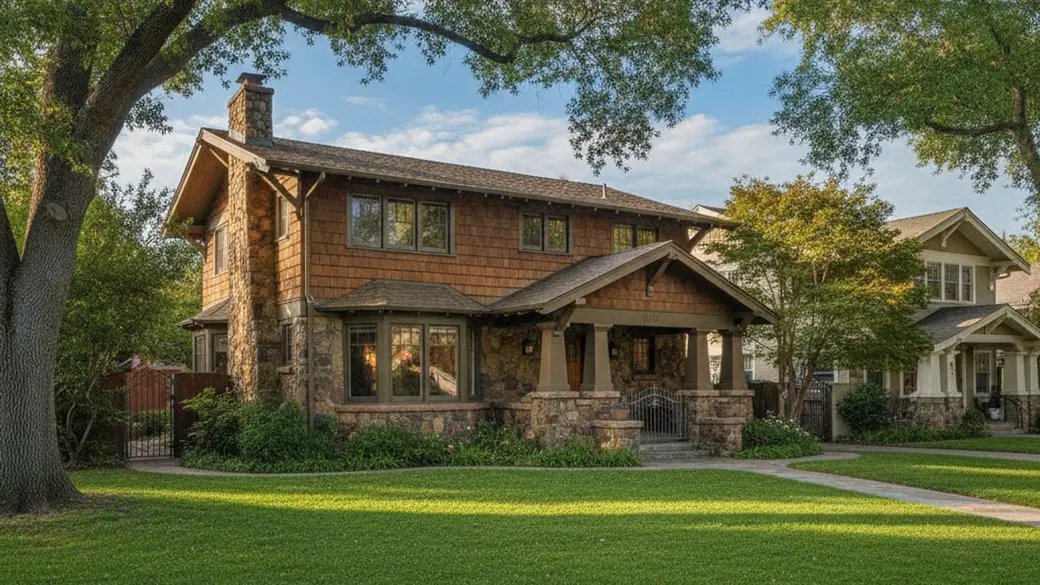
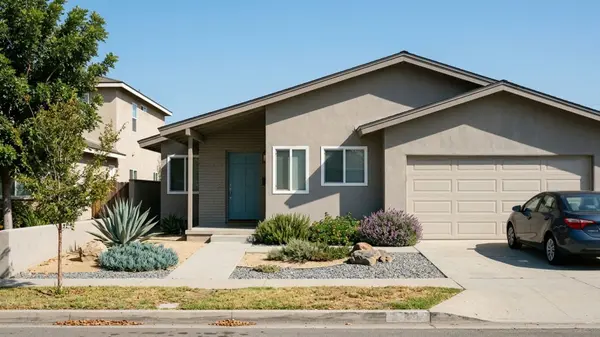
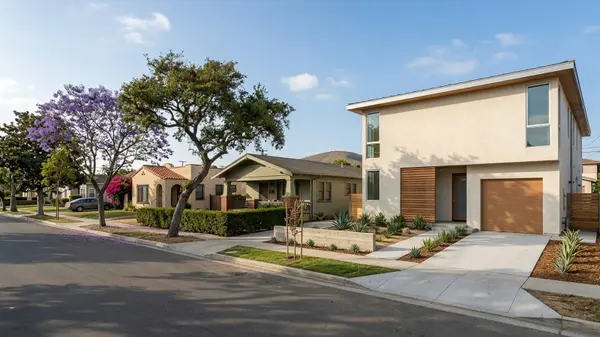
Long Beach has a real mix: coastal condos, historic Craftsman single-family homes, and everything in between. The architectural variety reflects the city's origins as a seaside resort and port town, and you can still see that DNA in the older neighborhoods.
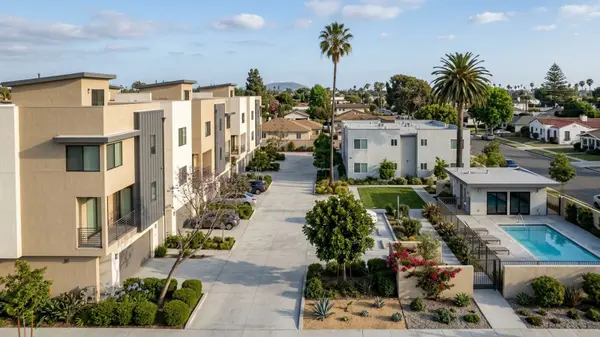
Los Angeles runs the full spectrum - dense urban condominiums to large hillside estates. The sheer geographic spread of the city allows for more variation in housing tracts and high-rise developments than you'd find in Long Beach.
Lot Sizes and Usable Space
The average lot size for a house in Long Beach is around 5,600 square feet. That's enough room for a real front yard and backyard without feeling like you're on top of your neighbors.
Many Los Angeles neighborhoods - particularly in the central basin - run denser than that. If land matters to you, you'll generally be looking toward the edges of Los Angeles County to find comparable square footage.
Cost of Living and Ongoing Expenses
Property taxes hit your monthly payment in ways buyers often underestimate. California applies a 1% base property tax rate, but local bonds and municipal assessments can move that number in either direction.
Cost of living indexes also show differences in utility and grocery costs between the two cities - and those line items add up over a year. Before you lock in a number for what you can afford, run the full monthly picture, not just the mortgage payment.
Property Tax Rates
Long Beach's median effective property tax rate comes in at about 1.33% in the Los Angeles County portion of the city, resulting in a median annual bill of $5,569. County-wide estimates suggest effective rates can range from 0.64% to 1.38% depending on the specific ZIP code and how the calculation is run.
In the city of Los Angeles, the median effective rate is 1.26%, which works out to a median bill of $6,124. A reasonable rule of thumb is that most Los Angeles homeowners land somewhere between 1.1% and 1.4% of assessed value when all local assessments are factored in.
Utilities and Daily Expenses
General cost of living indexes show real differences in daily expenses across Los Angeles County, though utility rates and grocery prices shift based on local municipal providers and distribution networks - so a countywide average only tells you so much.
If you're buying in Long Beach specifically, review the local utility providers before you close. Comparing those rates against Los Angeles averages will give you a much more grounded monthly budget than any general index will.
Commuting and Transportation
Long Beach connects to the rest of the region through several major freeways and transit networks. In Southern California, traffic patterns shape daily life in ways that are hard to overstate until you're living them.
Knowing the infrastructure of both cities before you buy isn't optional - it's one of the most practical things you can do. How close a home sits to a highway on-ramp often shows up directly in the price.
Highway Access
Long Beach is served by the I-710, I-405, and I-605 freeways, with State Route 91 and State Route 22 also running through the city. That's solid freeway access by any measure.
Those routes connect the coastal neighborhoods to inland employment centers throughout Los Angeles County. For most driving destinations, you'll be moving through at least one of those primary corridors.
Public Transit Options
The Metro A Line - formerly the Blue Line - connects Long Beach directly to Downtown, LA via light rail. For commuters who'd rather not drive, that's a meaningful option.
Los Angeles operates a broader network of subway and light rail lines radiating from the city center. If transit access is a priority for you, map the distance from any home you're considering to the nearest rail station before you fall in love with the property.
Local Amenities and Geography
Long Beach sits directly on the coast, which does something specific to the climate - the ocean keeps local temperatures more moderate than you'd find inland, noticeably cooler through the summer months.
Los Angeles covers a much larger footprint that takes in coastal areas, valleys, and foothills. The geography varies so dramatically across the city that "Los Angeles" almost requires a neighborhood-level conversation before it means anything specific.
Parks and Coastal Recreation
Long Beach residents have El Dorado Nature Center and El Dorado Regional Park close by, along with the Belmont Shore neighborhood, Shoreline Village, Rainbow Harbor, the Aquarium of the Pacific, and Colorado Lagoon. That's a solid range of year-round outdoor options without leaving the city.
Los Angeles offers comparable coastal access in its western neighborhoods, plus extensive hiking trails in the Santa Monica Mountains. Both cities have it - the question is usually how far you'll be driving to get to the parts you actually use.
Entertainment and Dining
The difference between the two cities here is mainly scale. Long Beach has local business corridors and waterfront dining districts that work well for everyday life.
Los Angeles has massive entertainment complexes and a restaurant scene with global reach. If specific cultural venues are part of your decision, it's worth being honest with yourself about how often you'd actually use them before you let that factor drive a purchase.
Researching Your Move
The Long Beach Unified School District serves the local student population. Before you make an offer, verify the boundary maps - don't assume a home is in a particular school's zone just because a neighbor says so.
State and municipal portals publish public data on neighborhoods. Official sources are always more reliable than anything you'll find on a third-party site, and they're free.
Police Department Statistics
For safety data, go straight to the official Long Beach Police Department statistics. Municipal reports give you specifics by geographic area that general neighborhood ratings simply can't replicate.
Los Angeles maintains similar public databases through its own law enforcement agencies. Pulling those records is standard due diligence - it shouldn't feel like extra work.
School District Resources
California state education portals and the Long Beach Unified School District website both carry data on school assignments. Checking those portals confirms exactly which address maps to which campus.
School boundaries change, sometimes more often than people expect. Contact the district directly to confirm current zoning - don't rely on what was true when the last buyer purchased the home. Los Angeles operates its own large district, and the same verification applies for any home within city limits.
Frequently Asked Questions
How much cheaper is buying a single-family house in Long Beach, CA compared to Los Angeles?
Generally speaking, yes - Long Beach is less expensive. The median sale price in Long Beach is roughly $852,500. Zillow estimates the typical home value in the city of Los Angeles at around $949,479, so you're looking at a meaningful gap at the median.
Do property values appreciate faster in Long Beach or Los Angeles over time?
Appreciation varies by timeframe and specific neighborhood. Recent 2026 data shows Long Beach median sale prices dipped about 1.6% year-over-year. During a similar period, Los Angeles city values saw a minor 0.7% decline. Neither market has been running hot in the very recent term.
Is it realistic to buy a home in Long Beach and commute to downtown LA?
Yes - plenty of residents make that commute every day. You can drive via the I-710 freeway, or take the Metro A Line, which runs light rail directly from Long Beach to Downtown, LA.
How do property taxes and buyer closing costs compare between Long Beach, CA and Los Angeles?
They're fairly close, but local municipal bonds create variation. Long Beach carries a median effective rate of about 1.33%, while the city of Los Angeles sits around 1.26%. Both fall within the standard Southern California range.
Categories
- All Blogs (282)
- Aliso Viejo, California (2)
- Anaheim, Calfornia (5)
- Beach House (2)
- Best places for surfers (1)
- Bixby Knolls (1)
- Buena Park, California (2)
- Buying and Selling Real Estate (75)
- Buying or Seller Real Estate (2)
- California (2)
- California Beach House (2)
- Cerritos, California (1)
- Costa Mesa, California (1)
- Current Market (5)
- Cypress, CA (5)
- Dana Point, California (1)
- Downey, California (1)
- Equestrian (1)
- Fountain Valley, California (5)
- FSBO (1)
- Fullerton, California (1)
- Fur Parents (1)
- Garden Grove California (6)
- History (4)
- Holiday in Long Beach (1)
- home (12)
- Home Improvement (1)
- home value (7)
- Huntington Beach (5)
- Irvine, California (3)
- La Habra, California (1)
- Laguna Niguel, California (1)
- Lake Forest, California (1)
- Lakewood Event (2)
- Lakewood, California (46)
- Lifestyle (3)
- Listing (1)
- Long Beach Events (1)
- Long Beach Neighborhood (7)
- Long Beach, California (77)
- Los Alamitos (1)
- Los Alamitos, California (2)
- Market Reports (8)
- Mission Viejo, California (1)
- Mortgage Lender (1)
- Moving to Aliso Viejo, California (2)
- Moving to Anaheim, California (4)
- Moving to Buena Park, California (2)
- Moving to California (11)
- Moving to Cerritos, California (1)
- Moving to Costa Mesa, California (1)
- Moving to Cypress, CA (4)
- Moving to Dana Point, California (1)
- Moving to Downey, California (1)
- Moving to Fountain Valley, California (4)
- Moving to Fullterton, California (1)
- Moving to Garden Grove, California (5)
- Moving to Huntington Beach (5)
- Moving to Irvine, California (3)
- Moving to Lakewood (4)
- Moving to Lakewood, California (7)
- moving to Long Beach, California (17)
- Moving to Los Alamitos, California (2)
- Moving to Los Angeles (1)
- Moving to Mission Viejo, California (1)
- Moving to Newport, California (3)
- Moving to Orange County, California (20)
- Moving to Orange, California (2)
- Moving to Placentia, California (1)
- Moving to Rossmoor, California (1)
- Moving to San Clemente, California (2)
- Moving to Seal Beach, California (4)
- Moving to Signal Hill, California (2)
- Moving to Stanton, California (1)
- Moving to Tustin, California (2)
- Moving to Westminster, California (3)
- New Developments (1)
- Newport Beach, California (3)
- Orange County, California (10)
- Orange, California (3)
- Placentia, California (1)
- Real Estate (47)
- Real Estate Agent (28)
- Rossmoor, California (1)
- San Clemente, California (2)
- San Juan Capistrano, California (1)
- Saving Money (1)
- Seal Beach, California (6)
- Signal Hill, California (5)
- Social Media (1)
- Stagnation (1)
- Stanton, California (1)
- Success Story (1)
- surfing (1)
- Tips in Moving (2)
- Tustin, California (3)
- Westminster, California (3)
Recent Posts
GET MORE INFORMATION