

Comparing Real Estate in Long Beach, CA vs East Los Angeles for 2026 Buyers
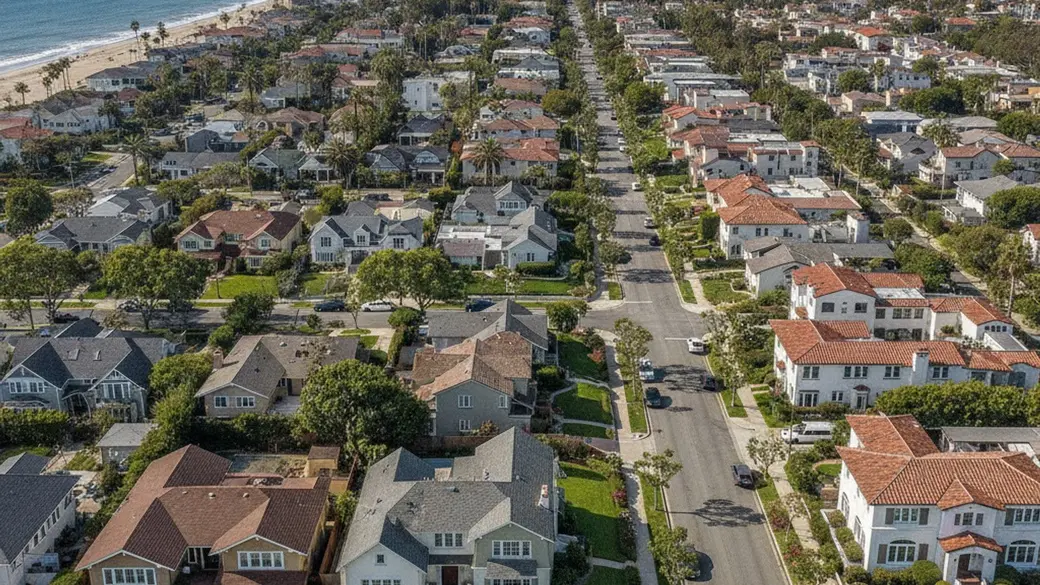
Los Angeles County doesn't give you one housing market - it gives you dozens, and picking the right one means getting specific about what you actually need. Buyers comparing the pros and cons of living in Long Beach with East Los Angeles will find the two sit on opposite ends of that spectrum: different price points, different housing stock, different daily realities.
Long Beach is its own large municipality, a city with a complex grid of historic districts and coastal properties. East Los Angeles sits just east of Downtown, LA as an unincorporated community governed by the county - no city hall, but considerably faster access to the urban core. The gap between them on home prices, property types, and commute times is real enough that it tends to settle the question pretty quickly once a buyer does the math.
Housing Market and Home Prices
Home prices in Long Beach run higher than those in East Los Angeles - buyers looking at both areas will notice a gap of roughly $100,000 to $130,000 between the median sale prices. Both markets favor sellers, and the pace of sales is similar across the two areas. Properties in both locations generally go under contract in just over a month.
Long Beach Market Trends
Recent market data puts the median sale price in Long Beach at approximately $852,500. Homes spend an average of 41 days on the market before closing.
The inventory picture shows about 740 available homes and a 3.8-month supply. Sellers recently closed on 194 homes in a single month, with properties typically landing at nearly 100% of their list price. It's an active market, and it moves.
East Los Angeles Market Trends
East Los Angeles comes in lower, with median sale prices ranging between $715,000 and $735,000 in 2026. Homes here sell in about 43 days on average - nearly the same pace as Long Beach.
Inventory levels are less predictable, with recent reports tracking active listings anywhere from under a dozen to around 140 available homes. That range tells you something: when supply tightens, competition follows quickly.
Property Types and Architecture
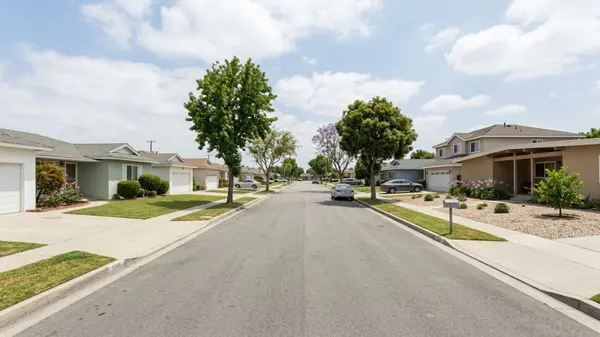
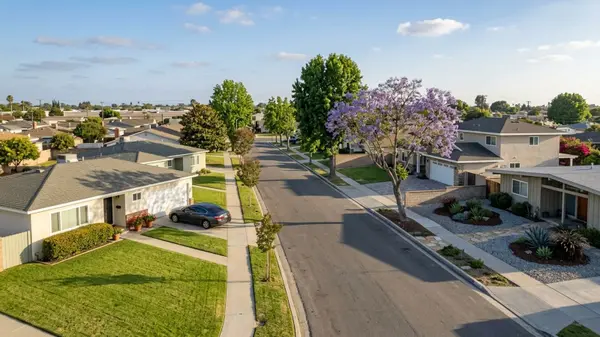
Long Beach and East Los Angeles both feature older housing stock, but their development histories produced different architectural landscapes. The styles you'll tour in one place are largely distinct from what you'll find in the other.
Long Beach encompasses a massive geographic area with protected historic districts. East Los Angeles features a denser collection of early-to-mid-20th-century homes.
Homes in Long Beach
Long Beach covers a lot of ground stylistically. Craftsman bungalows show up in neighborhoods like Belmont Heights, Bluff Heights, and Rose Park. Spanish Colonial Revival homes - red-tile roofs, stucco exteriors - are common in California Heights and Belmont Shore.
Older districts like Drake Park and Willmore City carry Victorian-era styles, while Mid-Century Modern homes sit in areas like the Ranchos and Park Estates. If architectural variety matters to you, Long Beach delivers it.
Homes in East Los Angeles
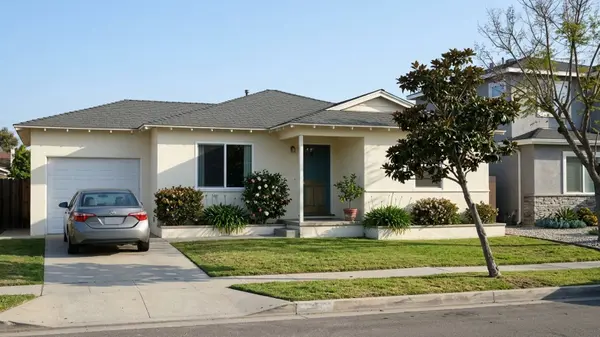
East Los Angeles developed as an early eastern expansion of the city core, and the housing stock reflects that. The broader Eastside region features Craftsman, Spanish Colonial Revival, and Mediterranean Revival homes, alongside Victorian styles like Queen Anne and Eastlake, and mid-century Ranch and Minimal Traditional properties.
These homes typically sit on smaller, urban lots - noticeably tighter than the larger parcels you'd find in some Long Beach neighborhoods.
Commute, Transit, and Accessibility
Where you work largely determines which of these two areas makes sense. East Los Angeles sits directly adjacent to Downtown, LA. Long Beach requires a longer drive north to reach the city center, and that difference shows up every morning.
Long Beach Transportation
Long Beach connects to the regional highway network through several major freeways. Interstate 405 runs east-west through the city, while Interstate 710 follows the LA River south to the Port of Long Beach. State Route 91 links commuters to Orange County, and State Route 1, State Route 22, and State Route 103 - which connects Long Beach to Wilmington - round out the options for regional travel.
East Los Angeles Transportation
East Los Angeles sits near the intersection of Interstate 5 and Interstate 10, with direct connections to Downtown, LA and the wider region. The northern stretch of Interstate 710 also runs through the corridor nearby.
That positioning cuts the drive to central Los Angeles employment hubs considerably compared to commuting from the coast.
Researching Local Amenities and Civic Data
The administrative structures of these two areas are entirely different, and that matters more than most buyers expect - it changes where you go for permits, records, zoning questions, and public services.
Long Beach operates its own city departments. East Los Angeles falls under county jurisdiction. It's a practical distinction that affects day-to-day ownership.
Municipal Resources in Long Beach
Long Beach is an incorporated city with its own municipal government. Buyers can visit longbeach.gov to access official data from the city's departments, including planning, historic preservation rules, and public safety data. If you're buying in one of the historic districts, review the specific preservation guidelines before you start planning any renovations - those rules have teeth.
County Resources for East Los Angeles
East Los Angeles is an unincorporated community, not an independent city. Zoning regulations and civic data are managed by Los Angeles County, and public safety and crime data for the area come from the Los Angeles County Sheriff's Department. When you're researching neighborhood statistics, look to county records - there's no local city hall to call.
Frequently Asked Questions
Is it cheaper to buy a house in Long Beach, CA or East Los Angeles?
East Los Angeles is generally cheaper. The median sale price in East, LA ranges from $715,000 to $735,000. In Long Beach, the median sale price is approximately $852,500.
What are the main lifestyle and neighborhood differences between living in Long Beach versus East, LA?
Long Beach offers coastal access and numerous designated historic districts with varying architectural styles. East Los Angeles provides a denser, inland environment positioned closer to the downtown core.
Is the daily commute to Downtown, LA better from Long Beach or East Los Angeles?
East Los Angeles offers a much shorter commute to Downtown, LA. Residents can quickly access Interstate 5 and Interstate 10. Commuting from Long Beach requires a longer drive north via Interstate 710.
Which real estate market offers better long-term property value growth: Long Beach or East, LA?
Both markets have shown fluctuations in recent years, with Long Beach homes selling near 100% of list price. Buyers should review historical county data and local development plans to assess long-term growth potential.
Do buyers typically get more square footage and yard space for their budget in East, LA or Long Beach, CA?
Buyers generally find larger parcels in certain Long Beach neighborhoods like the Ranchos or Park Estates. East Los Angeles homes typically sit on smaller, urban lots characteristic of early eastside development.
What are the biggest downsides to choosing Long Beach over East Los Angeles when relocating?
The primary downside is the higher cost of housing, with median prices roughly $100,000 to $130,000 higher than East, LA. Long Beach also requires a longer commute for those working in central Los Angeles.
Categories
- All Blogs (282)
- Aliso Viejo, California (2)
- Anaheim, Calfornia (5)
- Beach House (2)
- Best places for surfers (1)
- Bixby Knolls (1)
- Buena Park, California (2)
- Buying and Selling Real Estate (75)
- Buying or Seller Real Estate (2)
- California (2)
- California Beach House (2)
- Cerritos, California (1)
- Costa Mesa, California (1)
- Current Market (5)
- Cypress, CA (5)
- Dana Point, California (1)
- Downey, California (1)
- Equestrian (1)
- Fountain Valley, California (5)
- FSBO (1)
- Fullerton, California (1)
- Fur Parents (1)
- Garden Grove California (6)
- History (4)
- Holiday in Long Beach (1)
- home (12)
- Home Improvement (1)
- home value (7)
- Huntington Beach (5)
- Irvine, California (3)
- La Habra, California (1)
- Laguna Niguel, California (1)
- Lake Forest, California (1)
- Lakewood Event (2)
- Lakewood, California (46)
- Lifestyle (3)
- Listing (1)
- Long Beach Events (1)
- Long Beach Neighborhood (7)
- Long Beach, California (77)
- Los Alamitos (1)
- Los Alamitos, California (2)
- Market Reports (8)
- Mission Viejo, California (1)
- Mortgage Lender (1)
- Moving to Aliso Viejo, California (2)
- Moving to Anaheim, California (4)
- Moving to Buena Park, California (2)
- Moving to California (11)
- Moving to Cerritos, California (1)
- Moving to Costa Mesa, California (1)
- Moving to Cypress, CA (4)
- Moving to Dana Point, California (1)
- Moving to Downey, California (1)
- Moving to Fountain Valley, California (4)
- Moving to Fullterton, California (1)
- Moving to Garden Grove, California (5)
- Moving to Huntington Beach (5)
- Moving to Irvine, California (3)
- Moving to Lakewood (4)
- Moving to Lakewood, California (7)
- moving to Long Beach, California (17)
- Moving to Los Alamitos, California (2)
- Moving to Los Angeles (1)
- Moving to Mission Viejo, California (1)
- Moving to Newport, California (3)
- Moving to Orange County, California (20)
- Moving to Orange, California (2)
- Moving to Placentia, California (1)
- Moving to Rossmoor, California (1)
- Moving to San Clemente, California (2)
- Moving to Seal Beach, California (4)
- Moving to Signal Hill, California (2)
- Moving to Stanton, California (1)
- Moving to Tustin, California (2)
- Moving to Westminster, California (3)
- New Developments (1)
- Newport Beach, California (3)
- Orange County, California (10)
- Orange, California (3)
- Placentia, California (1)
- Real Estate (47)
- Real Estate Agent (28)
- Rossmoor, California (1)
- San Clemente, California (2)
- San Juan Capistrano, California (1)
- Saving Money (1)
- Seal Beach, California (6)
- Signal Hill, California (5)
- Social Media (1)
- Stagnation (1)
- Stanton, California (1)
- Success Story (1)
- surfing (1)
- Tips in Moving (2)
- Tustin, California (3)
- Westminster, California (3)
Recent Posts
GET MORE INFORMATION