

Real Estate Investment Opportunities in Long Beach, California
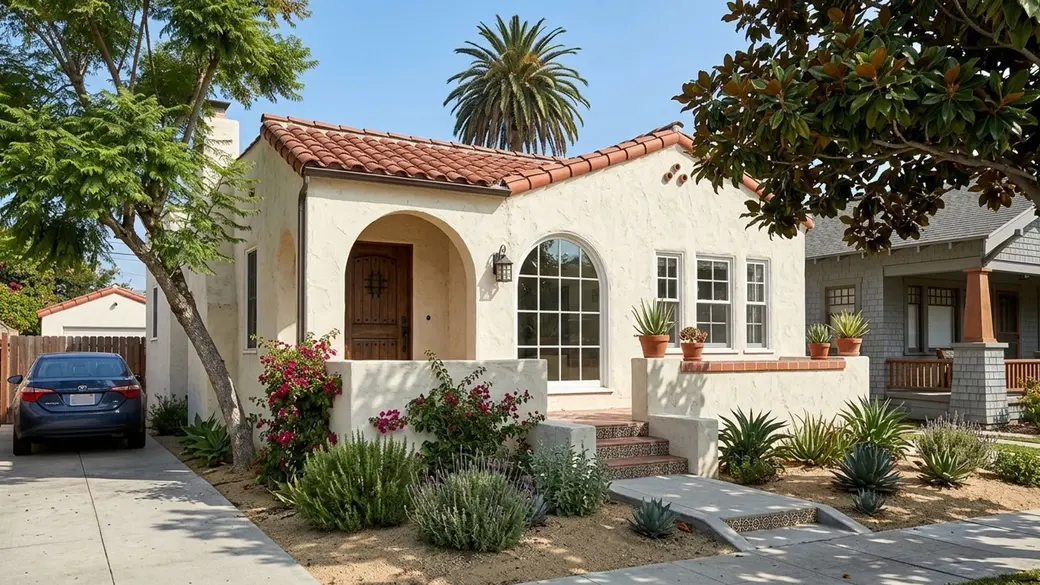
The median sale price in Long Beach, California sits at about $899,405 right now, up 5.8% year-over-year. For investors working through Los Angeles County, the Long Beach housing market tends to come up early in the conversation - coastal access, a deep and varied tenant pool, higher entry costs offset by appreciation that has held up well over time.
That ten-year cumulative appreciation figure is worth sitting with for a moment: roughly 104%. Median rents run between $1,995 and $2,280 per month, and there are real options here - traditional single-family rentals, mid-term furnished units, short-term coastal plays. Which one fits your portfolio depends entirely on where in the city you're looking and what kind of tenant you want.
Evaluating the Long Beach Real Estate Market
There are 821 active listings across the city right now, with about 3.6 months of housing supply. That's a more balanced picture than Long Beach was showing in the hyper-competitive years when inventory was below two months. Homes are sitting a median of 43 days before going under contract.
Sellers are still doing well. The average sale-to-list ratio is 99.78%, and about a third of recent sales closed above asking. Well-priced properties in ZIP codes like 90813 and 90712 don't sit long. If a property hits your numbers, you need to be ready.
Long Beach Home Prices and Rent Potential
The citywide median approaches $900,000, but entry points shift meaningfully by property type and location. Rental income generally lands in the $1,995 to $2,280 range, though broader listing pools sometimes show medians closer to $1,785.
At these purchase prices, month-one cash flow is going to be tight. That's just the reality of this market. The investment case here has always leaned on appreciation - and 104% over ten years is the number that makes the math work for most long-term holders. Run your calculations carefully, go in clear-eyed about cash flow, and let appreciation do the heavy lifting over time.
Housing Supply and Market Dynamics
The 3.6 months of supply represents a genuine shift from earlier years. With 700 homes sold in a single recent month, transaction volume is healthy for a city this size.
Properties sitting past that 43-day median are worth watching. Longer days on market often means room for price negotiation or seller concessions - especially for homes that need cosmetic work.
Population Data and Neighborhood Returns
Long Beach is the 7th most populous city in California. Current population estimates range from 446,971 to 462,193 residents, though the city is seeing a slight year-over-year decline of about 0.2% - a pattern that mirrors broader demographic shifts across Los Angeles County.
A 0.2% dip doesn't move the needle much when you're dealing with a city that size. Proximity to major employment hubs throughout Greater Los Angeles keeps the tenant pool active across both short-term and long-term rental types.
Demographic Trends and Tenant Pools
The renter base here includes local professionals, students, and commuters spread across Southern California. That mix supports multiple investment models - standard yearly leases, mid-term furnished units, and everything in between.
The key is matching your property type to the specific renter demographic of the neighborhood you're targeting. Near major transit routes, you'll draw daily commuters. Closer to the water, the tenant profile shifts toward people prioritizing lifestyle and coastal access.
Top Neighborhoods for Return on Investment
If entry price is your primary filter, the East Village Arts District is worth a close look - median prices around $447,000, with community amenities that attract and hold renters.
Lakewood Village and Bixby Knolls both offer a different profile. Lakewood Village comes in around $674,000 median, Bixby Knolls around $791,000. Both neighborhoods pair relative affordability with schools and parks that tend to produce stable, longer-term tenants. That stability has real value in your operating expenses over time.
Proven Investment Strategies for the Area
The 1% rule is essentially theoretical in this market. Finding a property where monthly rent equals 1% of the purchase price - so roughly $8,994 per month on a $899,405 home - isn't happening here. Investors in coastal Southern California use different benchmarks.
The 3-3-3 rule and similar localized metrics account for the area's higher property taxes and insurance costs. Strong historical appreciation tends to offset the lower cash-on-cash returns that come with this market. That trade-off is the deal you're making.
Buy-and-Hold Rental Properties
Buy-and-hold works in Long Beach because the fundamentals support it - steady tenant demand and a long-term appreciation track record. Neighborhoods like El Dorado Park, known for attracting renters who prioritize local schools and amenities, are well-suited for this strategy.
Budget carefully for regular upkeep and vacancy periods. Your financing structure needs enough cushion to carry the property through gaps - don't build a model that only works if rent hits your account every single month without interruption.
House Flipping and Evaluation Rules
Flipping is active here, but sourcing the deals takes real work. The standard benchmark is the 70% rule: pay no more than 70% of the after-repair value, minus renovation costs.
Properties that have sat well past the 43-day median are your best starting point. Distressed homes in ZIP codes like 90713 and 90731 occasionally produce the margins you need, but you have to be looking consistently and moving quickly when one surfaces.
Short-Term and Month-to-Month Rental Options
Short-term rentals near the water can generate cap rates in the 6% to 8% range, with monthly income sometimes reaching $3,000 to $7,000. Those are real numbers - and they make Long Beach one of the stronger California markets for this strategy.
Review current municipal codes on the city's official website before you buy any property intended for short-term use. Registration requirements, tax collection obligations, and zoning rules apply, and these regulations change. Don't assume what was true last year is still true today.
Furnished and Mid-Term Rentals
Month-to-month and mid-term furnished rentals sit in a practical middle ground - not nightly stays, not traditional annual leases. Traveling nurses, corporate relocations, residents between permanent homes. The demand is real and consistent.
Furnished units generally command higher monthly rates than unfurnished apartments, which helps the cash flow picture. They also face less regulatory friction than nightly rentals, which makes them worth serious consideration depending on your zoning situation.
Short-Term Rental Profitability
Belmont Shore generates strong tourist demand - beach, dining, shopping, all within reach - and that translates to occupancy rates that hold up through peak travel seasons. For nightly rental investors, it's a natural starting point.
Use occupancy benchmarks like the 75/55 rule to build realistic income projections. Then layer in property management fees, cleaning costs, and seasonal swings. The number that matters is what you net after all of that - not the gross monthly figure.
Finding the Right Investment Property in Long Beach
Eight hundred and twenty-one homes on the market right now, spanning single-family houses to multi-unit commercial properties. The inventory is there. The work is figuring out which part of that inventory fits your budget, your strategy, and your target tenant.
Spend real time understanding the individual ZIP codes. A property in 90813 and a property in 90712 will behave differently - different appreciation patterns, different tenant turnover, different holding experience. Local professionals who know those distinctions are worth the conversation.
Neighborhoods for Long-Term Tenants
Lakewood Village and El Dorado Park are the steady-income play. Renters come for the schools and community, and they stay. Lower turnover means fewer vacancy costs and less wear on the property - that shows up directly in your annual returns.
If predictable, low-drama income is your priority, these neighborhoods consistently outperform the coastal zones on that measure.
Commercial and Specialized Real Estate
Multi-family and commercial properties are worth considering if you want to scale without multiplying your management headaches. A duplex or fourplex lets you consolidate oversight while growing the portfolio.
Commercial deals require a different financing approach and a clear understanding of local zoning. Before you go under contract on anything commercial, you need to be in the rent rolls, understand the cap rate, and have a handle on the physical condition of the building. Deferred maintenance is how unexpected capital expenditures erase your returns.
Common Questions About Investing in Long Beach
Is Long Beach, California a good place to invest in real estate?
Yes. The city offers diverse options - short-term rentals generating $3,000 to $7,000 monthly, long-term holds backed by a 104% ten-year appreciation rate. The range of viable strategies is broader than most markets this size.
Are home prices dropping in Long Beach, California?
No. The median sale price is approximately $899,405, up 5.8% year-over-year. Prices are moving in the other direction.
Is Long Beach a buyer's or seller's market?
Balanced, with a slight lean toward sellers. About 3.6 months of housing supply, and homes are selling at an average of 99.78% of list price.
How much is rent in Long Beach, California?
Median rent falls between $1,995 and $2,280 per month depending on property type. Broader listing pools sometimes show medians closer to $1,785.
Is Long Beach growing or declining?
The population is down about 0.2% year-over-year, which puts it in line with broader Los Angeles County trends. The city remains the 7th most populous in California, with an estimated 446,971 to 462,193 residents.
What are the short-term rental rules for investors in Long Beach, CA?
Local municipal ordinances cover registration, tax collection, and zoning requirements for nightly rentals. Review the city's official guidelines before buying any property you intend to operate as a short-term rental - these rules change, and you don't want to find that out after closing.
Which Long Beach neighborhoods are best for buying investment property?
Belmont Shore is the short-term tourist rental market. Lakewood Village and El Dorado Park attract long-term tenants. Bixby Knolls and the East Village Arts District offer more affordable entry points with solid community amenities.
Categories
- All Blogs (282)
- Aliso Viejo, California (2)
- Anaheim, Calfornia (5)
- Beach House (2)
- Best places for surfers (1)
- Bixby Knolls (1)
- Buena Park, California (2)
- Buying and Selling Real Estate (75)
- Buying or Seller Real Estate (2)
- California (2)
- California Beach House (2)
- Cerritos, California (1)
- Costa Mesa, California (1)
- Current Market (5)
- Cypress, CA (5)
- Dana Point, California (1)
- Downey, California (1)
- Equestrian (1)
- Fountain Valley, California (5)
- FSBO (1)
- Fullerton, California (1)
- Fur Parents (1)
- Garden Grove California (6)
- History (4)
- Holiday in Long Beach (1)
- home (12)
- Home Improvement (1)
- home value (7)
- Huntington Beach (5)
- Irvine, California (3)
- La Habra, California (1)
- Laguna Niguel, California (1)
- Lake Forest, California (1)
- Lakewood Event (2)
- Lakewood, California (46)
- Lifestyle (3)
- Listing (1)
- Long Beach Events (1)
- Long Beach Neighborhood (7)
- Long Beach, California (77)
- Los Alamitos (1)
- Los Alamitos, California (2)
- Market Reports (8)
- Mission Viejo, California (1)
- Mortgage Lender (1)
- Moving to Aliso Viejo, California (2)
- Moving to Anaheim, California (4)
- Moving to Buena Park, California (2)
- Moving to California (11)
- Moving to Cerritos, California (1)
- Moving to Costa Mesa, California (1)
- Moving to Cypress, CA (4)
- Moving to Dana Point, California (1)
- Moving to Downey, California (1)
- Moving to Fountain Valley, California (4)
- Moving to Fullterton, California (1)
- Moving to Garden Grove, California (5)
- Moving to Huntington Beach (5)
- Moving to Irvine, California (3)
- Moving to Lakewood (4)
- Moving to Lakewood, California (7)
- moving to Long Beach, California (17)
- Moving to Los Alamitos, California (2)
- Moving to Los Angeles (1)
- Moving to Mission Viejo, California (1)
- Moving to Newport, California (3)
- Moving to Orange County, California (20)
- Moving to Orange, California (2)
- Moving to Placentia, California (1)
- Moving to Rossmoor, California (1)
- Moving to San Clemente, California (2)
- Moving to Seal Beach, California (4)
- Moving to Signal Hill, California (2)
- Moving to Stanton, California (1)
- Moving to Tustin, California (2)
- Moving to Westminster, California (3)
- New Developments (1)
- Newport Beach, California (3)
- Orange County, California (10)
- Orange, California (3)
- Placentia, California (1)
- Real Estate (47)
- Real Estate Agent (28)
- Rossmoor, California (1)
- San Clemente, California (2)
- San Juan Capistrano, California (1)
- Saving Money (1)
- Seal Beach, California (6)
- Signal Hill, California (5)
- Social Media (1)
- Stagnation (1)
- Stanton, California (1)
- Success Story (1)
- surfing (1)
- Tips in Moving (2)
- Tustin, California (3)
- Westminster, California (3)
Recent Posts
GET MORE INFORMATION