

Long Beach, CA Housing Market Data and Trends for 2026
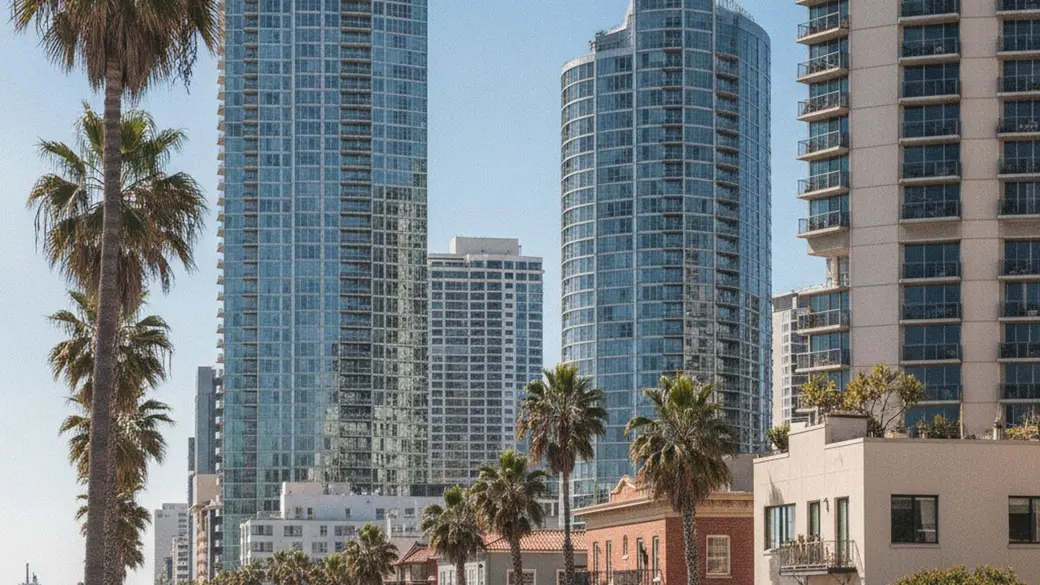
The median home sale price in Long Beach, CA, sits at roughly $852,500 midway through 2026. Anyone buying a home in Long Beach, CA will find this coastal city offers a distinct alternative to the higher-priced markets of neighboring Los Angeles and Orange County. Buyers looking for Southern California beach access often turn their attention here to find slightly more accessible entry points for single-family properties and condominiums.
While the broader California real estate landscape has seen wild fluctuations over the past few years, the local market shows signs of leveling out. Inventory levels are hovering around 740 active listings, creating a steady environment. Local sales pace and neighborhood dynamics dictate how quickly properties go under contract.
Current Trends in the Long Beach Real Estate Market
Year-over-year data from May 2026 shows a slight 1.7% dip in the median sale price, bringing the citywide average to about $852,500. This minor price correction follows several years of steady appreciation. Sellers are still seeing strong returns, as nearly 44% of homes close above their asking price.
The average sale-to-list ratio remains near 100%, meaning appropriately priced homes do not require steep price reductions to attract offers. The current environment leans slightly toward a seller's advantage, though buyers have more breathing room than they did during the peak frenzy of recent years. With about 3.8 months of supply available, the market is edging closer to a neutral state.
A six-month supply traditionally indicates a balanced market. The current 3.8-month figure means buyers still face competition for move-in-ready listings. Sellers should price accurately, as homes that require too much work or sit above market value will linger.
How Property Types and Location Affect Prices
Condominiums in Downtown Long Beach offer some of the most accessible entry points, with median prices ranging between $440,000 and $466,000. These downtown units appeal to buyers prioritizing urban amenities, high-rise living, and immediate access to the waterfront. Condos generally require factoring in monthly homeowners association dues, which buyers should include in their debt-to-income ratio calculations.
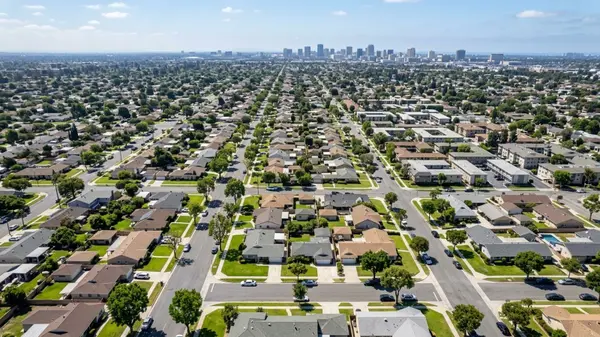
Further east and along the coast, pricing shifts upward. Historic properties in Belmont Heights often command premium prices due to their architectural preservation and proximity to Alamitos Beach. Moving inland toward East Long Beach, single-family homes on larger lots dominate the landscape.
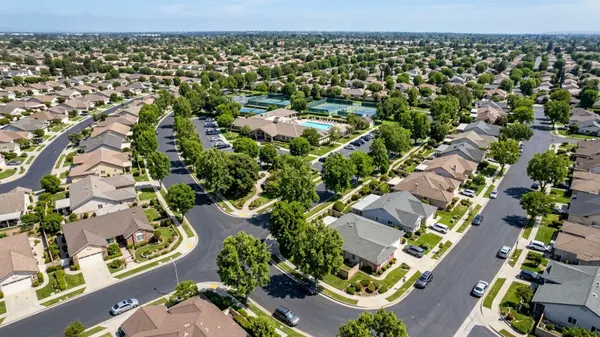
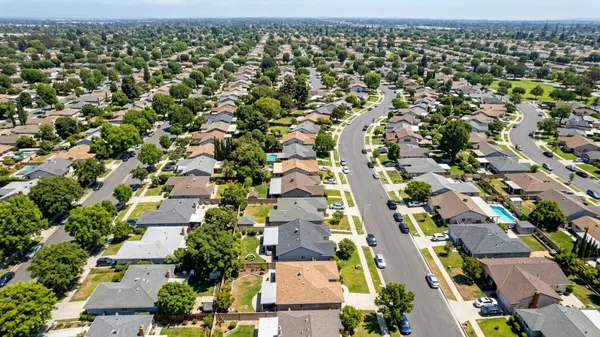
These inland areas attract buyers looking for more square footage and distinct suburban layouts compared to the dense coastal grid. The choice between a downtown condo and an East Long Beach single-family home often comes down to balancing the purchase price against the desired lifestyle. Buyers should review recent neighborhood sales data to understand the specific price floors in each zip code.
Supply, Time on Market, and Financing Factors
Homes in Long Beach spend a median of 41 days on the market before going under contract. This turnaround time requires buyers to have their financing secured before scheduling showings. A 40-day window means properties are not lingering indefinitely, but buyers do not necessarily have to waive every contingency to win a bid.
Sellers should expect a few weeks of active showings before receiving serious offers, provided the home is priced in alignment with recent comparable sales. Mortgage rates continue to shape local purchasing power. When rates fluctuate, buyers often adjust their target price range rather than delaying their search entirely.
Sellers who understand the current financing costs are better positioned to negotiate, knowing that buyers are carefully calculating their monthly obligations. A small shift in interest rates can push a buyer from a single-family search in East Long Beach toward a condo search downtown. Current rate trends force both sides of the transaction to set realistic expectations for the final sale price.
Infrastructure and Commute Impacts on Home Values
Access to Interstate 405 and Interstate 710 dictates commute times for residents working in Los Angeles or Orange County. Properties located within a short drive of these major corridors often see sustained demand from regional commuters. The I-405 cuts directly through the city, providing a vital east-west artery, while the I-710 offers a straight route north toward downtown LA.
Buyers should map their daily drive during rush hour before committing to a specific neighborhood. A few miles can add considerable time to a morning commute, which directly affects a property's long-term resale value. Other localized factors, like proximity to the Port of Long Beach or the Long Beach Airport, create different noise profiles and traffic patterns that are reflected in pricing.
Additionally, properties zoned within the boundaries of specific schools in the Long Beach Unified School District consistently attract steady buyer interest. Buyers and sellers alike monitor these zoning boundaries, as even a one-block difference can shift a home's value. A real estate professional can verify exact zoning lines to prevent unexpected surprises during the escrow process.
Frequently Asked Questions About Long Beach Real Estate
Is Long Beach currently a buyer's or seller's market?
With roughly 3.8 months of supply, Long Beach remains a slight seller's market in 2026. A balanced market typically requires five to six months of inventory. Sellers still have an edge, but buyers have more options and negotiating room than they did in previous years.
Are housing prices expected to go down in Long Beach, CA in 2026?
Data from mid-2026 shows a mild 1.7% year-over-year decrease, bringing the median price to $852,500. While a drastic crash is not evident, prices have leveled off compared to past surges. Buyers can expect localized price stabilization rather than steep, citywide discounts.
What salary is needed to comfortably afford a home in Long Beach?
Affording the $852,500 median home price typically requires a household income well over $150,000, depending on the down payment and current mortgage rates. Buyers should consult with a lender to calculate exact debt-to-income ratios. Property taxes and insurance will also factor into the necessary monthly budget.
What are the biggest challenges facing the Long Beach housing market right now?
Limited inventory remains a primary hurdle, with only about 740 active listings available for a large population. Affordability is another persistent challenge, as median prices outpace local wage growth. Buyers also have to balance higher financing costs against their desired location.
Which Long Beach neighborhoods offer the best value for first-time homebuyers?
Downtown Long Beach offers strong value for first-time buyers willing to purchase condominiums, with median prices around $450,000. North Long Beach also presents more accessible entry points for single-family homes compared to the coastal neighborhoods. Buyers should weigh the trade-offs between property size and proximity to the water.
How long does it typically take to sell a house in Long Beach under current market conditions?
The median days on market sits at 41 days. This means a properly priced home will typically secure a buyer in just over a month. Overpriced properties or those needing major repairs tend to sit longer and pull the average up.
How do home prices in Long Beach compare to neighboring coastal cities in Southern California?
Long Beach is generally more affordable than nearby coastal cities in Orange County, such as Huntington Beach or Newport Beach. It also offers a lower median price point than many coastal Los Angeles neighborhoods like Santa Monica or South Bay. This relative affordability continues to draw buyers seeking ocean proximity without the premium price tag of adjacent towns.
Categories
- All Blogs (266)
- Aliso Viejo, California (2)
- Anaheim, Calfornia (5)
- Beach House (2)
- Best places for surfers (1)
- Bixby Knolls (1)
- Buena Park, California (2)
- Buying and Selling Real Estate (75)
- Buying or Seller Real Estate (2)
- California (2)
- California Beach House (2)
- Cerritos, California (1)
- Costa Mesa, California (1)
- Current Market (5)
- Cypress, CA (5)
- Dana Point, California (1)
- Downey, California (1)
- Equestrian (1)
- Fountain Valley, California (5)
- FSBO (1)
- Fullerton, California (1)
- Fur Parents (1)
- Garden Grove California (6)
- History (4)
- Holiday in Long Beach (1)
- home (12)
- Home Improvement (1)
- home value (7)
- Huntington Beach (5)
- Irvine, California (3)
- La Habra, California (1)
- Laguna Niguel, California (1)
- Lake Forest, California (1)
- Lakewood Event (2)
- Lakewood, California (40)
- Lifestyle (3)
- Listing (1)
- Long Beach Events (1)
- Long Beach Neighborhood (7)
- Long Beach, California (68)
- Los Alamitos (1)
- Los Alamitos, California (2)
- Market Reports (8)
- Mission Viejo, California (1)
- Mortgage Lender (1)
- Moving to Aliso Viejo, California (2)
- Moving to Anaheim, California (4)
- Moving to Buena Park, California (2)
- Moving to California (11)
- Moving to Cerritos, California (1)
- Moving to Costa Mesa, California (1)
- Moving to Cypress, CA (4)
- Moving to Dana Point, California (1)
- Moving to Downey, California (1)
- Moving to Fountain Valley, California (4)
- Moving to Fullterton, California (1)
- Moving to Garden Grove, California (5)
- Moving to Huntington Beach (5)
- Moving to Irvine, California (3)
- Moving to Lakewood (4)
- Moving to Lakewood, California (7)
- moving to Long Beach, California (17)
- Moving to Los Alamitos, California (2)
- Moving to Los Angeles (1)
- Moving to Mission Viejo, California (1)
- Moving to Newport, California (3)
- Moving to Orange County, California (20)
- Moving to Orange, California (2)
- Moving to Placentia, California (1)
- Moving to Rossmoor, California (1)
- Moving to San Clemente, California (2)
- Moving to Seal Beach, California (4)
- Moving to Signal Hill, California (2)
- Moving to Stanton, California (1)
- Moving to Tustin, California (2)
- Moving to Westminster, California (3)
- New Developments (1)
- Newport Beach, California (3)
- Orange County, California (10)
- Orange, California (3)
- Placentia, California (1)
- Real Estate (47)
- Real Estate Agent (28)
- Rossmoor, California (1)
- San Clemente, California (2)
- San Juan Capistrano, California (1)
- Saving Money (1)
- Seal Beach, California (6)
- Signal Hill, California (5)
- Social Media (1)
- Stagnation (1)
- Stanton, California (1)
- Success Story (1)
- surfing (1)
- Tips in Moving (2)
- Tustin, California (3)
- Westminster, California (3)
Recent Posts

GET MORE INFORMATION