

What to Expect From Weather Patterns in Lakewood, CA
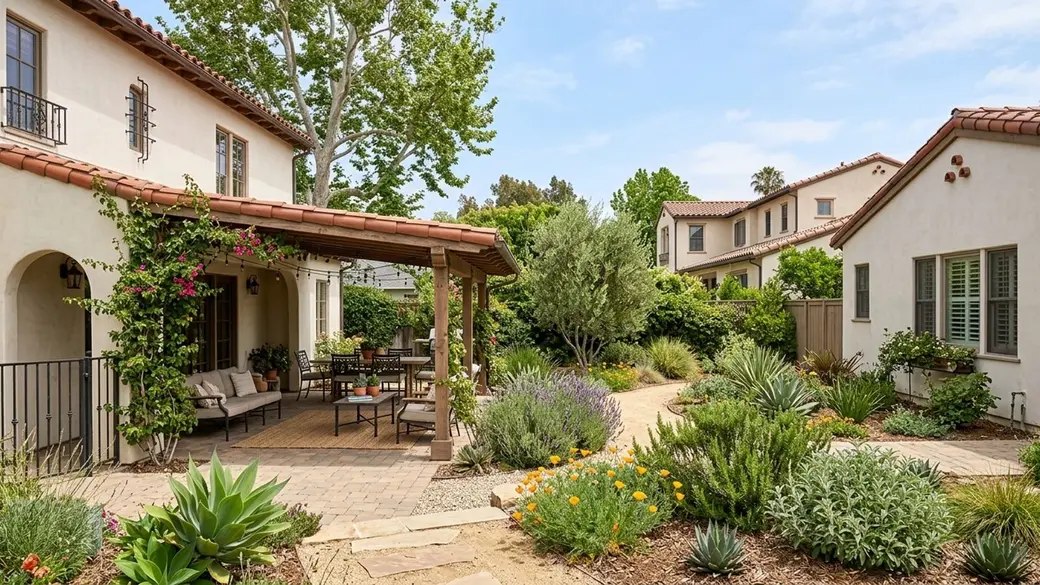
Lakewood, California sits at an elevation of 46 feet above sea level inside the greater Los Angeles basin. That position is what shapes everything about the daily weather patterns in Lakewood, CA - giving residents a consistent, predictable environment without the temperature swings you'd run into further inland. This stability is a major factor among the pros and cons of living in Lakewood, CA.
Buyers looking at homes in Los Angeles County factor climate into their search more than people expect. With the median home price in Lakewood currently around $913,500, understanding the year-round weather genuinely matters - it affects your cooling costs, your landscaping budget, and how much exterior maintenance you'll be signing up for down the road.
A Quick Look at Lakewood's Mediterranean Climate
Under the modified Köppen climate classification system, Lakewood falls into a Mediterranean climate zone - dry, warm summers and cooler, wet winters. It's about as predictable as Southern California gets.
The city's proximity to Long Beach is the key variable. That coastal influence moderates the daily highs in a way you won't find ten miles east. Temperatures typically range from 47°F to 83°F over the course of the year, and it's rare to see anything drop below 40°F or push above 92°F.
Understanding the Local Climate Zone
Local meteorological data describes Lakewood as having a mild, Mediterranean climate. No extreme cold, no oppressive humidity - just consistent sunshine and conditions that let homeowners actually use their outdoor spaces.
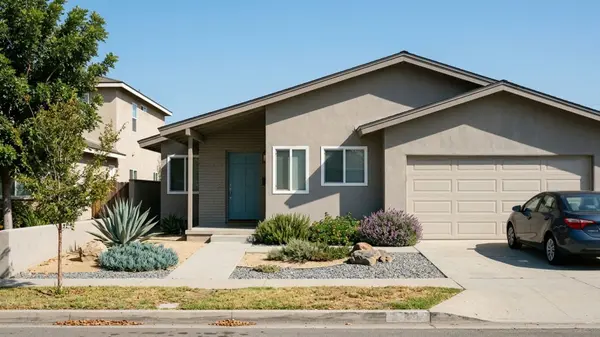
Because the area sidesteps both the intense humidity of the East Coast and the punishing heat of the desert interior, patios and backyards get real year-round use here. You'll notice that most homeowners prioritize covered outdoor living areas and drought-tolerant landscaping, and there's a practical reason for that - it fits the dry conditions rather than fighting them.
Year-Round Conditions by Season
Southern California seasons don't work the way they do in most of the country. There's no hard turn from fall to winter, no dramatic spring thaw. Instead, the weather shifts gradually between a dry summer and a brief rainy stretch in winter.
Knowing those subtle transitions helps you plan - whether you're scheduling a move, timing a renovation, or just trying to figure out when to have the roof looked at.
Summer Temperatures and Sun
Summer is warm and dry, with very little rainfall to speak of. August is the warmest month, pushing average highs to 80.6°F. Coastal breezes tend to take the edge off in the evenings, so the nights stay comfortable.
If you're touring properties during these months, pay attention to the central air conditioning. Daytime sun heats up older homes quickly, and an inefficient system will show up in your utility bills every August.
Winter Rain and Cooler Days
Winter is when Lakewood gets most of its annual rainfall. December is the coldest month, with average highs around 63.9°F and lows dipping into the low 50s. January and February hold those cooler averages, with lows hovering between 51.8°F and 52.3°F.
This is the season that tests a home's roof and drainage. Periodic rainstorms aren't severe by most standards, but they're concentrated - and a gutter that's been ignored since spring will let you know about it.
Spring and Fall Transitions
Spring and fall are short transition windows - mild, comfortable, and largely free of both the peak summer heat and the winter rain. Most residents consider these the most livable months of the year, and they're popular for exterior maintenance and landscaping work for exactly that reason.
Monthly Temperature Averages
Temperature swings in Lakewood stay narrow all year. January averages a low of 52.3°F and a high of 65.7°F. February holds steady at a low of 51.8°F and a high of 64.9°F.
That consistency is actually useful - it means you can forecast your utility costs with more confidence than most homeowners in other parts of the country.
The Hottest and Coldest Times of Year
August sits at the top: average high of 80.6°F, average low of 65.3°F. December anchors the other end, with the lowest average high of 63.9°F.
Even at those extremes, the weather stays manageable. Temperatures rarely drop below 40°F in winter or climb above 92°F in late summer - those are genuinely exceptional days, not normal ones.
Precipitation and Humidity Levels
Lakewood receives about 14 inches of rain on average per year - well below the national average of 38 inches. Nearly all of it falls in winter, compressed into a few months rather than spread across the year.
That concentration is what matters for homeowners. Clear your gutters and downspouts before December. It's not dramatic advice, but it's the right call.
Annual Snowfall Expectations
Lakewood averages zero inches of snow per year. The US average is 28 inches annually. You will not need a snow shovel here, and winterized plumbing isn't something local contractors spend much time on. If you want snow, you'll need to drive to higher-elevation mountain areas.
Coastal Humidity Factors
The city's location near Long Beach keeps humidity at moderate levels year-round. That coastal influence pairs with generally sunny, clear skies to make the daily conditions comfortable without tipping into the sticky, oppressive feeling you'd get in a tropical or southeastern climate.
Natural Hazards and Local Risks
Here's where I'd encourage buyers to pay close attention. Lakewood carries a very high earthquake risk - 6,206 earthquakes have been recorded in the region since 1931, and USGS data puts the probability of a major earthquake within 50 kilometers of the city at 95.93% over the next 50 years. That's not a number to gloss over.
Severe convective storms - tornadoes, large hail - are rare in this Mediterranean-climate region compared to other parts of the country. Seismic activity is the primary natural hazard here, and it should factor into your inspection priorities.
Wildfire and Flood Probabilities
Wildfire risk assessments place Lakewood at a 6% "Very Low" risk level. The urban environment and distance from dense, dry brush keep the immediate fire threat minimal.
Flooding is a different conversation. Coastal and urban areas in Los Angeles County face increasing flood risks from heavier winter storms and aging drainage infrastructure. Properties outside mapped flood zones aren't automatically in the clear - localized flooding during intense rain is a real possibility, and it's worth asking about drainage history before you close.
Timing Your Move to Southern California
Lakewood is generally weather-friendly for a move at any point in the year - that's one of the practical advantages of this climate. That said, spring and fall tend to make the physical moving process easier on everyone.
Winter moves mean working around rain, which can slow outdoor work and complicate moving day logistics. Summer moves put you up against August heat and peak demand for moving trucks. Neither is a dealbreaker, but spring and fall are simply more straightforward.
Comparing the Microclimates
Lakewood shares most of its climate profile with neighboring Long Beach, picking up similar coastal breezes. It runs slightly cooler than neighborhoods further inland toward the San Fernando Valley.
That's a reasonable middle ground. You get the temperature moderation that comes with a coastal location, without the persistent marine layer that can blanket properties right on the beach.
How the Weather Impacts the Housing Market
The predictable climate keeps buyers shopping year-round - you don't see the steep winter slowdowns that hit colder markets. Homes here are spending roughly 27 days on the market, and the current inventory sits at about 77 available properties.
Buyers tend to know what they're looking for in terms of weather-specific features: energy-efficient windows, upgraded HVAC systems, drought-resistant yards. Those details get noticed.
Current Real Estate Conditions
At a median sale price around $913,500, this is a substantial investment. The market reflects that - the average sale-to-list ratio sits at 1.01, and roughly 54% of homes sell above their list price.
Sellers who can point to a well-maintained roof, solid drainage, and an efficient cooling system tend to attract stronger offers. Buyers in this climate know what they're going to be managing, and they respond to evidence that the work has already been done.
Frequently Asked Questions
When is the best time of year to list a home in Lakewood based on the local weather?
Spring and early summer are excellent times to list. The mild temperatures let outdoor living spaces show well, and you're not working around the winter rainy season that can complicate open houses.
Does Lakewood get the coastal marine layer, or does it experience inland heat waves?
Both, actually. The proximity to Long Beach brings moderate humidity and occasional coastal marine layers, but Lakewood can still reach average highs of 80.6°F during August heat waves. It's not strictly one or the other.
Do I need flood insurance for a home in Lakewood during the winter rainy season?
It depends on the specific property and your lender's requirements. Lakewood receives only 14 inches of rain annually, but aging drainage infrastructure and heavier storms mean even homes outside mapped flood zones can face localized flood risks. It's a question worth asking directly.
What weather-related wear and tear should I look for when touring Lakewood properties?
Check the roof and gutters - winter rains are concentrated, and deferred maintenance shows up fast. A seismic inspection is also worth prioritizing given the area's 95.93% chance of a major earthquake within the next 50 years.
How do Lakewood's summer temperatures impact cooling costs for older, post-war homes?
Cooling costs can climb in August when average highs hit 80.6°F. Older homes without updated insulation or modern central air conditioning work harder to stay comfortable, and that shows up in energy bills.
What specific weatherproofing or drainage inspections should I get before buying a house in Lakewood, CA?
Start with a thorough roof and drainage inspection - you want to know the home is ready for winter storms before you're in escrow. A seismic inspection is equally important given the region's elevated earthquake risk. Both are standard asks here, not unusual ones.
Categories
- All Blogs (282)
- Aliso Viejo, California (2)
- Anaheim, Calfornia (5)
- Beach House (2)
- Best places for surfers (1)
- Bixby Knolls (1)
- Buena Park, California (2)
- Buying and Selling Real Estate (75)
- Buying or Seller Real Estate (2)
- California (2)
- California Beach House (2)
- Cerritos, California (1)
- Costa Mesa, California (1)
- Current Market (5)
- Cypress, CA (5)
- Dana Point, California (1)
- Downey, California (1)
- Equestrian (1)
- Fountain Valley, California (5)
- FSBO (1)
- Fullerton, California (1)
- Fur Parents (1)
- Garden Grove California (6)
- History (4)
- Holiday in Long Beach (1)
- home (12)
- Home Improvement (1)
- home value (7)
- Huntington Beach (5)
- Irvine, California (3)
- La Habra, California (1)
- Laguna Niguel, California (1)
- Lake Forest, California (1)
- Lakewood Event (2)
- Lakewood, California (46)
- Lifestyle (3)
- Listing (1)
- Long Beach Events (1)
- Long Beach Neighborhood (7)
- Long Beach, California (77)
- Los Alamitos (1)
- Los Alamitos, California (2)
- Market Reports (8)
- Mission Viejo, California (1)
- Mortgage Lender (1)
- Moving to Aliso Viejo, California (2)
- Moving to Anaheim, California (4)
- Moving to Buena Park, California (2)
- Moving to California (11)
- Moving to Cerritos, California (1)
- Moving to Costa Mesa, California (1)
- Moving to Cypress, CA (4)
- Moving to Dana Point, California (1)
- Moving to Downey, California (1)
- Moving to Fountain Valley, California (4)
- Moving to Fullterton, California (1)
- Moving to Garden Grove, California (5)
- Moving to Huntington Beach (5)
- Moving to Irvine, California (3)
- Moving to Lakewood (4)
- Moving to Lakewood, California (7)
- moving to Long Beach, California (17)
- Moving to Los Alamitos, California (2)
- Moving to Los Angeles (1)
- Moving to Mission Viejo, California (1)
- Moving to Newport, California (3)
- Moving to Orange County, California (20)
- Moving to Orange, California (2)
- Moving to Placentia, California (1)
- Moving to Rossmoor, California (1)
- Moving to San Clemente, California (2)
- Moving to Seal Beach, California (4)
- Moving to Signal Hill, California (2)
- Moving to Stanton, California (1)
- Moving to Tustin, California (2)
- Moving to Westminster, California (3)
- New Developments (1)
- Newport Beach, California (3)
- Orange County, California (10)
- Orange, California (3)
- Placentia, California (1)
- Real Estate (47)
- Real Estate Agent (28)
- Rossmoor, California (1)
- San Clemente, California (2)
- San Juan Capistrano, California (1)
- Saving Money (1)
- Seal Beach, California (6)
- Signal Hill, California (5)
- Social Media (1)
- Stagnation (1)
- Stanton, California (1)
- Success Story (1)
- surfing (1)
- Tips in Moving (2)
- Tustin, California (3)
- Westminster, California (3)
Recent Posts
GET MORE INFORMATION