

Living in South Long Beach, CA: Belmont Shore Homes and Local Guide
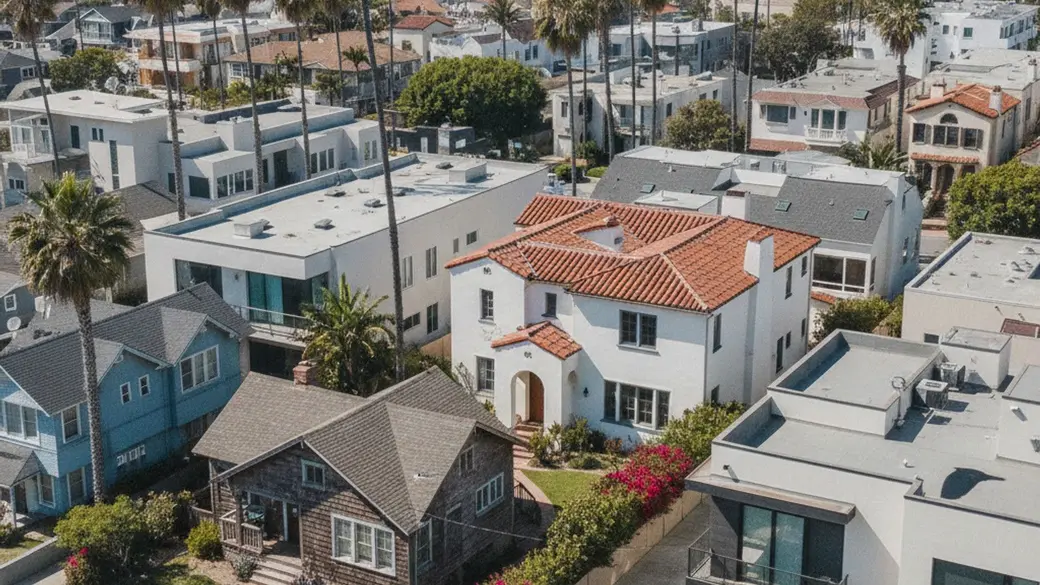
The 2026 median home sale price in Long Beach, CA sits around $852,500, with roughly 740 homes in active inventory across the city. Buyers often compare the best neighborhoods in Long Beach, CA to find the right fit. If you're looking specifically at the coastal sections of South Long Beach - particularly the Belmont Shore district - you're looking at a different market entirely, with its own pricing tier and its own set of property styles.
This area functions as its own enclave within a very large city. Properties trade at a premium, the housing stock runs from historic beach cottages to modern multi-family buildings, and the daily rhythms here don't feel much like the rest of Long Beach. Knowing the home types, the everyday amenities, and what the weather actually does helps you decide whether this specific stretch of coastline makes sense for you.
Overview of Belmont Shore in South Long Beach
Belmont Shore sits directly along the Pacific Ocean, anchoring the southern edge of the city. The neighborhood is defined by its proximity to the water and a dense, walkable layout centered on commercial corridors.
Streets follow a grid that maximizes access to the beach and local businesses. Residents live in close quarters - property lines push right to the edge of available lot space - and that density means walking or biking often beats driving for daily errands.
What and Where It Is
Belmont Shore occupies a prime coastal footprint in South Long Beach, CA. The district is bounded by oceanfront to the south and connects to neighboring waterfront communities like Naples.
That location comes with trade-offs: coastal weather patterns and regular tourist traffic during peak summer months are part of the deal. Commuters can access major routes heading north into downtown Long Beach or further into Los Angeles County.
Character and Housing Setting
The setting reflects its early-20th-century origins. Lot sizes run smaller than what you'd find further inland, homes sit closer together, and the residential fabric is genuinely dense.
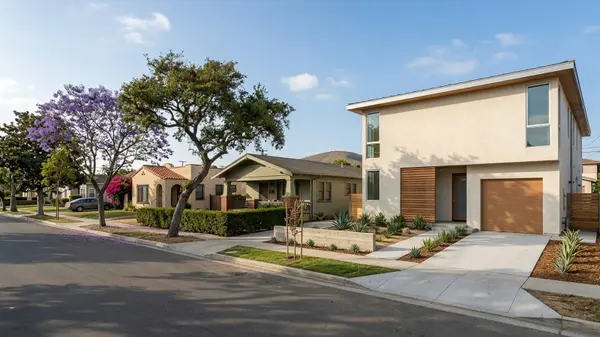
Many original structures have been preserved or updated. Others have been replaced by larger modern builds. The mix of single-family and multi-family properties means the streetscape shifts block by block - sometimes dramatically.
Real Estate and Property Types
Median home estimates in Belmont Shore fall between roughly $1.03 million and $1.6 million, depending on the specific property type and proximity to the water. That's a sharp contrast to the broader Long Beach median of roughly $852,500.
Available homes typically spend about 41 days on the market before selling. You'll find historic single-family residences standing right next to low-rise condominium complexes, often on the same block.
Architectural Styles and Home Types
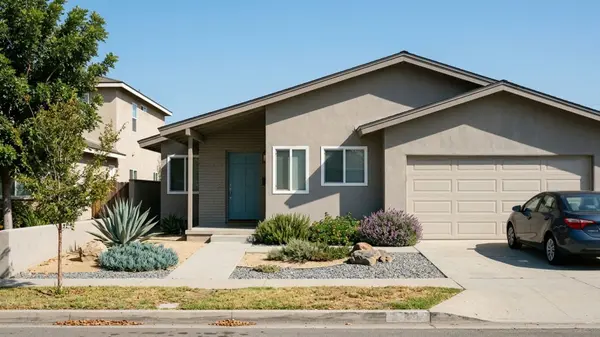
Belmont Shore is known for early-20th-century beach cottages and bungalows with Spanish Colonial and Spanish Revival details from the 1920s and 1930s. Tudor and Cape Cod-influenced designs show up throughout the residential streets as well.
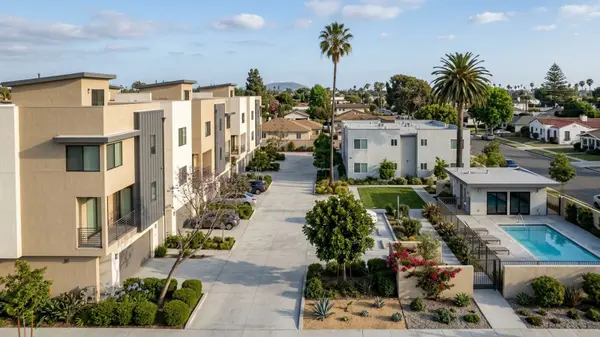
Beyond single-family homes, the housing stock includes duplexes, townhomes, and multi-family apartment buildings. Some older homes have been fully remodeled into contemporary styles. Larger new-construction houses stand alongside the historic properties - sometimes awkwardly, but that's coastal infill for you.
Pricing Versus the Broader Market
This coastal strip requires a larger budget than most other parts of the city. The citywide median sits in the mid-$800,000s; Belmont Shore properties regularly exceed the $1 million mark.
Condominiums and townhomes offer a lower entry point than detached single-family houses, but they still carry the coastal premium. If you're budgeting for an attached property, factor in monthly homeowner association dues - they matter here.
Daily Life, Dining, and Getting Around
The commercial spine of Belmont Shore is 2nd Street, a major thoroughfare lined with businesses, retail shops, and dining options. It's where daily life happens.
Traffic along this corridor moves slowly, especially on weekends, as residents and visitors move between storefronts. Side streets are quieter, but most daily necessities stay concentrated along 2nd Street. You'll get used to that trade-off quickly.
Everyday Dining and Restaurants
You won't need to leave the neighborhood for a decent meal. Frequently cited top restaurants along 2nd Street include Nick's on 2nd, Saint & Second, Simmzy's, and Domenico's Belmont Shore.
Other local staples include L'Antica Pizzeria Da Michele, Open Sesame Grill, Belmont Brewing Co., and Boathouse on the Bay - a mix of casual spots and proper sit-down dining.
Shopping and Transit
Beyond restaurants, 2nd Street has grocery stores, pharmacies, and specialty shops. Most routine shopping gets done without driving to another part of Long Beach.
For travel outside the neighborhood, Ocean Boulevard provides a direct coastal route. Public transit options, including local bus routes, serve the area - though many residents rely on personal vehicles or bikes for anything beyond walking distance.
Weather, Schools, and Healthcare Access
Belmont Shore has a Mediterranean coastal climate. Ocean water temperatures range from about 59°F in the winter and spring to roughly 66°F or 67°F in the summer and fall, and the Pacific Ocean dictates daily weather patterns more than anything else does.
Public education falls under the Long Beach Unified School District. Before you close on any address here, confirm the specific boundary lines and registration requirements directly with the district - don't assume.
Climate and Coastal Conditions
Winter months from December through February bring average highs around 66°F to 67°F, with lows between 50°F and 56°F. By September, average highs reach about 82°F, with lows around 67°F.
Most days are sunny. That said, a coastal fog and marine layer roll in regularly during mornings - particularly in the late spring and early summer. If you're not a "gray until noon" person, that's worth knowing before you buy.
Schools and Medical Facilities
Students in Belmont Shore are served by the Long Beach Unified School District. Attendance zones shift, so verify your exact address against the district's official boundary maps before you close - not after.
For medical care, residents rely on the broader Long Beach healthcare network. Research nearby clinics and regional hospital systems to confirm they meet your specific needs.
Buying an Investment Property or Short-Term Rental
Coastal neighborhoods draw buyers looking for second homes or income-producing properties. Belmont Shore's mix of duplexes, condos, and single-family homes gives investors several options to work with.
Consistent seasonal traffic supports steady rental demand. Managing a property here means understanding local municipal codes and budgeting seriously for coastal maintenance costs - salt air is not gentle on buildings.
Short-Term Rental Context
Investors interested in short-term rentals must comply with Long Beach, CA ordinances. The city regulates these properties, and rules around licensing and occupancy limits can change.
Review current municipal guidelines before purchasing any property you intend to list on platforms like Airbnb or VRBO. Some condominium associations also prohibit short-term leasing outright in their bylaws - that's a deal-breaker worth catching before you're under contract.
Rental Income Properties
Long-term rental properties are common throughout the neighborhood, particularly in the multi-family buildings and duplexes scattered across Belmont Shore. These units attract tenants who want beach access and proximity to 2nd Street.
Account for the higher upfront purchase prices when you're calculating potential rental yields. Your maintenance budget should also reflect the wear and tear that comes with saltwater air and coastal weather - it's a real cost, not a theoretical one.
Frequently Asked Questions
What specific neighborhoods are considered 'South Long Beach' when searching for homes?
South Long Beach generally refers to the coastal communities at the southern edge of the city. This includes Belmont Shore, Naples, and the surrounding waterfront districts.
Do I need to purchase flood insurance if I buy a property in South Long Beach?
It depends on the exact location and elevation of the home. Properties directly on the water or in designated flood zones often require flood insurance if you carry a mortgage. Check the FEMA flood maps for any specific address before you make assumptions.
How bad is the street parking situation for buyers looking at condos in South Long Beach?
Street parking in dense coastal areas like Belmont Shore is notoriously tight. Many original 1920s and 1930s buildings lack dedicated garages. If you're buying a condo, prioritize listings that include deeded off-street parking.
Are there restrictions on short-term rentals or Airbnbs for investment properties in South Long Beach?
Yes. The city of Long Beach regulates short-term rentals - owners must obtain proper licensing and follow municipal guidelines. Many condominium homeowners associations also prohibit short-term leasing entirely.
How do home prices in South Long Beach compare to coastal neighborhoods like Belmont Shore or Naples?
Belmont Shore is a defining part of South Long Beach, and its prices reflect that coastal position. Homes here range from roughly $1.03 million to $1.6 million, well above the citywide median of about $852,500.
Are HOA fees generally higher for condos in South Long Beach compared to the rest of the city?
Condos near the water often carry higher homeowner association fees. Those dues frequently cover the increased exterior maintenance costs that come with coastal weather and saltwater exposure.
Categories
- All Blogs (282)
- Aliso Viejo, California (2)
- Anaheim, Calfornia (5)
- Beach House (2)
- Best places for surfers (1)
- Bixby Knolls (1)
- Buena Park, California (2)
- Buying and Selling Real Estate (75)
- Buying or Seller Real Estate (2)
- California (2)
- California Beach House (2)
- Cerritos, California (1)
- Costa Mesa, California (1)
- Current Market (5)
- Cypress, CA (5)
- Dana Point, California (1)
- Downey, California (1)
- Equestrian (1)
- Fountain Valley, California (5)
- FSBO (1)
- Fullerton, California (1)
- Fur Parents (1)
- Garden Grove California (6)
- History (4)
- Holiday in Long Beach (1)
- home (12)
- Home Improvement (1)
- home value (7)
- Huntington Beach (5)
- Irvine, California (3)
- La Habra, California (1)
- Laguna Niguel, California (1)
- Lake Forest, California (1)
- Lakewood Event (2)
- Lakewood, California (46)
- Lifestyle (3)
- Listing (1)
- Long Beach Events (1)
- Long Beach Neighborhood (7)
- Long Beach, California (77)
- Los Alamitos (1)
- Los Alamitos, California (2)
- Market Reports (8)
- Mission Viejo, California (1)
- Mortgage Lender (1)
- Moving to Aliso Viejo, California (2)
- Moving to Anaheim, California (4)
- Moving to Buena Park, California (2)
- Moving to California (11)
- Moving to Cerritos, California (1)
- Moving to Costa Mesa, California (1)
- Moving to Cypress, CA (4)
- Moving to Dana Point, California (1)
- Moving to Downey, California (1)
- Moving to Fountain Valley, California (4)
- Moving to Fullterton, California (1)
- Moving to Garden Grove, California (5)
- Moving to Huntington Beach (5)
- Moving to Irvine, California (3)
- Moving to Lakewood (4)
- Moving to Lakewood, California (7)
- moving to Long Beach, California (17)
- Moving to Los Alamitos, California (2)
- Moving to Los Angeles (1)
- Moving to Mission Viejo, California (1)
- Moving to Newport, California (3)
- Moving to Orange County, California (20)
- Moving to Orange, California (2)
- Moving to Placentia, California (1)
- Moving to Rossmoor, California (1)
- Moving to San Clemente, California (2)
- Moving to Seal Beach, California (4)
- Moving to Signal Hill, California (2)
- Moving to Stanton, California (1)
- Moving to Tustin, California (2)
- Moving to Westminster, California (3)
- New Developments (1)
- Newport Beach, California (3)
- Orange County, California (10)
- Orange, California (3)
- Placentia, California (1)
- Real Estate (47)
- Real Estate Agent (28)
- Rossmoor, California (1)
- San Clemente, California (2)
- San Juan Capistrano, California (1)
- Saving Money (1)
- Seal Beach, California (6)
- Signal Hill, California (5)
- Social Media (1)
- Stagnation (1)
- Stanton, California (1)
- Success Story (1)
- surfing (1)
- Tips in Moving (2)
- Tustin, California (3)
- Westminster, California (3)
Recent Posts
GET MORE INFORMATION