

What to Expect From Seller Disclosures in Long Beach, CA
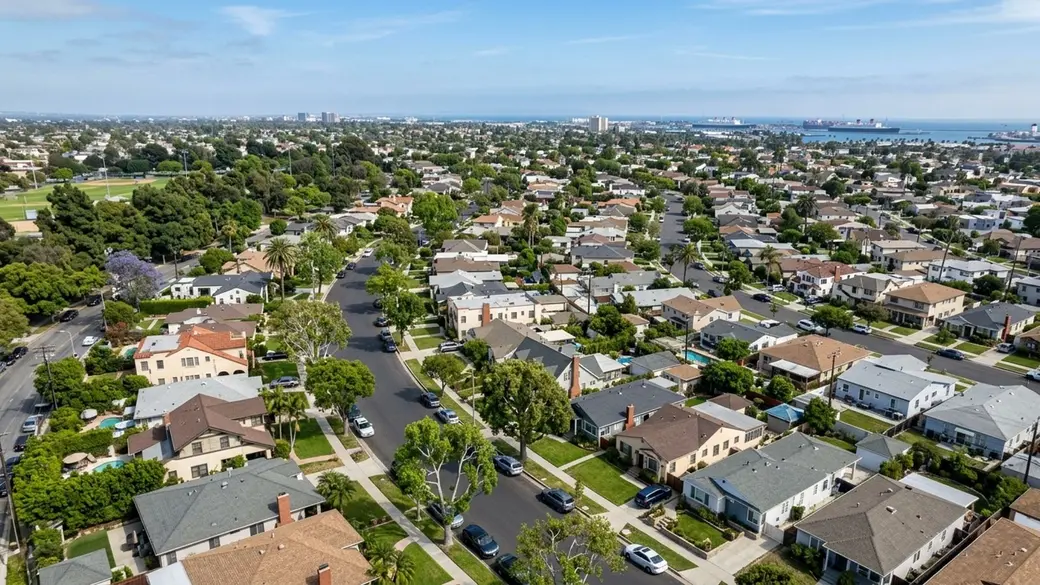
If you're selling a home in Long Beach, the disclosure paperwork is one of the first things you'll need to get your head around - and one of the most consequential. The median sale price here is currently around $852,500, homes are sitting on the market for roughly 41 days, and there are about 740 available homes for buyers to choose from. At that volume and at those prices, buyers come in informed, and they expect the same from you.
Disclosures give buyers a clear picture of the home's condition, history, and any known issues. California has specific rules governing what you must tell a buyer before handing over the keys. Knowing which forms to fill out and when they're due will keep your transaction moving toward closing instead of stalling out in escrow.
What a Seller Disclosure Statement Does
A real property disclosure form is a written document where you outline known facts about the home - things like the age of the roof, whether the property sits in a flood zone, that kind of thing. The state mandates these forms so buyers know exactly what they're getting into before they're locked in.
With Long Beach currently seeing an average sale-to-list ratio near 100%, buyers feel the pressure, and they lean on disclosures to confirm they're getting a fair deal. A thorough disclosure statement heads off misunderstandings early and builds the kind of trust that keeps escrow from falling apart at the last minute.
Forms You Will Use in California
The main form for a standard one-to-four unit residential resale is the Transfer Disclosure Statement (TDS). Most transactions also require a Seller Property Questionnaire (SPQ) - that's a California Association of Realtors (C.A.R.) form that gets into more detail about past repairs and permits.
You'll also need to provide a Natural Hazard Disclosure Statement (NHD) and a Megan's Law notice. If you qualify for an exemption - certain probate or trust sales, for example - you'll use an Exempt Seller Disclosure (ESD) instead. Your agent will separately complete an Agent Visual Inspection Disclosure (AVID) for the property.
How These Forms Protect Both Sides
For buyers, these documents remove much of the guesswork. They surface areas that might need immediate attention or future upgrades, so buyers can budget realistically rather than get blindsided after closing.
For you as the seller, completing these forms thoroughly is your legal protection. Document every known issue upfront, and you significantly reduce the risk of a buyer coming back later claiming you hid something.
California Real Estate Disclosure Laws Explained
California's disclosure requirements are governed primarily by Civil Code Section 1102 et seq., which lays out the exact requirements for the Transfer Disclosure Statement - including the specific form layout detailed in Civil Code Section 1102.6. These statutes apply to nearly all residential sales in the state, setting a uniform standard for how information gets shared.
Natural Hazard Disclosures fall under Civil Code Section 1103, which requires sellers to state whether the home is in a high-fire or earthquake fault zone.
Selling a Property "As-Is"
Listing a home "as-is" means you won't make repairs or offer credits. That's it. It does not exempt you from disclosing known issues - not even close.
Even if the buyer agrees to take the property in its current state, you still have to complete the TDS and SPQ. The law requires transparency about the home's condition regardless of whether you plan to fix anything.
Penalties for Leaving Things Out
If a buyer discovers a material defect that should have been on the TDS, they may have grounds to cancel the contract or pursue legal action for damages. Those are real consequences.
When you're not sure whether a past leak or a minor repair is worth mentioning, disclose it. A blank space on the form is far more dangerous than a fully explained line item.
Are Sale Prices Kept Private in California?
California is not a non-disclosure state. When real estate professionals use that term, they're referring to places where the final sale price stays off public county records. That's not how it works here.
When a home sells in Long Beach, the deed is recorded with the Los Angeles County Recorder's Office, and the final price becomes public information - available to anyone who pulls the county data.
Sale Price Privacy vs. Property Condition
Sale prices are public, but property condition disclosures are a private matter between buyer and seller. The TDS and SPQ are not recorded with the county or published anywhere for the general public to read.
These documents exist to inform the specific buyer under contract. That's their only audience.
Filling Out the Real Property Disclosure Form
The TDS asks you to check boxes for all the appliances, systems, and features included in the sale - whether items like the oven, sprinkler system, or central air conditioning are in working order. It's more straightforward than people expect.
The SPQ is where things get more detailed. It asks about previous water damage, insurance claims, and any alterations made to the property during your ownership. Don't rush through it.
Structural Conditions and Systems
You must note any known defects in the home's physical structure - the roof, foundation, walls, plumbing. If the roof leaks during heavy rain, that goes on the form. No exceptions.
The electrical and heating systems are covered here too. Buyers need to know if the wiring is outdated or if the furnace requires frequent repairs.
Environmental Hazards and Repairs
If you're aware of asbestos, lead-based paint, or mold, you disclose it. The NHD report handles the broader geographic hazards, but the seller forms focus on the house itself.
The SPQ also asks about significant repairs or renovations you've completed - and specifically whether you pulled the proper city permits for any additions or major remodels. Unpermitted work needs to be listed there.
Timelines and Deadlines for the Transaction
California law sets the pace here. Civil Code Section 1102.3 states that disclosures must be delivered as soon as practicable before the transfer of title - and the standard C.A.R. Residential Purchase Agreement puts a finer point on it. Unless the parties negotiate something different, sellers must deliver the TDS and other required forms within seven days of accepting an offer.
Buyer Response Windows
Once the buyer receives the TDS, they have a legal window to review it. Under Civil Code Section 1102.3, buyers have the right to rescind the purchase contract based on what they find.
That rescission period is at least three days if the disclosure was delivered in person. If you send it by mail, the buyer gets five days to review and potentially cancel.
Los Angeles County Recording Details
Some cities layer on their own point-of-sale disclosure requirements - San Francisco's 3R Report is the most well-known example. Long Beach doesn't do that. The standard statewide TDS, NHD, and SPQ disclosures are what apply here.
At closing, the City of Long Beach and Los Angeles County will assess documentary transfer taxes. The final deed is then recorded with the Los Angeles County Recorder's Office as part of the normal closing process.
Frequently Asked Questions
What specific local property disclosures are required when selling a house in Long Beach, CA?
Long Beach relies on standard California disclosure forms rather than unique local ordinances. Sellers must provide the Transfer Disclosure Statement (TDS), Seller Property Questionnaire (SPQ), and Natural Hazard Disclosure Statement (NHD). No extra point-of-sale forms are required by the city or Los Angeles County.
Do I still need to provide a Transfer Disclosure Statement if I am selling my Long Beach home "as-is"?
Yes. Selling a home "as-is" means you won't make repairs, but it does not waive your legal obligation to disclose known defects. You must still complete the TDS and SPQ forms under California Civil Code Section 1102.
How do I properly disclose unpermitted additions or garage conversions to buyers in Long Beach?
You must list any unpermitted work on the Seller Property Questionnaire (SPQ). The form asks directly about alterations or repairs made without proper permits, and you'll detail the garage conversion or addition there.
How many days do I have to deliver the required seller disclosures after accepting an offer on my house?
The standard California Residential Purchase Agreement requires sellers to deliver the TDS and other disclosures within seven days of offer acceptance. State law generally mandates they be delivered as soon as practicable before closing.
Who customarily pays for the Natural Hazard Disclosure (NHD) report in a Long Beach real estate transaction?
California Civil Code Section 1103 requires the seller to provide the Natural Hazard Disclosure (NHD) report to the buyer. The statute mandates the disclosure of fire, flood, and earthquake zones, while the division of the report's cost is handled within the purchase contract.
What happens if a buyer discovers an undisclosed issue after closing on a Long Beach property?
If a buyer finds a material defect that the seller knew about but failed to include on the Transfer Disclosure Statement, they may pursue legal action. During the transaction, buyers also have a three-to-five-day window to rescind the contract after receiving the TDS if they spot an issue early.
Categories
- All Blogs (282)
- Aliso Viejo, California (2)
- Anaheim, Calfornia (5)
- Beach House (2)
- Best places for surfers (1)
- Bixby Knolls (1)
- Buena Park, California (2)
- Buying and Selling Real Estate (75)
- Buying or Seller Real Estate (2)
- California (2)
- California Beach House (2)
- Cerritos, California (1)
- Costa Mesa, California (1)
- Current Market (5)
- Cypress, CA (5)
- Dana Point, California (1)
- Downey, California (1)
- Equestrian (1)
- Fountain Valley, California (5)
- FSBO (1)
- Fullerton, California (1)
- Fur Parents (1)
- Garden Grove California (6)
- History (4)
- Holiday in Long Beach (1)
- home (12)
- Home Improvement (1)
- home value (7)
- Huntington Beach (5)
- Irvine, California (3)
- La Habra, California (1)
- Laguna Niguel, California (1)
- Lake Forest, California (1)
- Lakewood Event (2)
- Lakewood, California (46)
- Lifestyle (3)
- Listing (1)
- Long Beach Events (1)
- Long Beach Neighborhood (7)
- Long Beach, California (77)
- Los Alamitos (1)
- Los Alamitos, California (2)
- Market Reports (8)
- Mission Viejo, California (1)
- Mortgage Lender (1)
- Moving to Aliso Viejo, California (2)
- Moving to Anaheim, California (4)
- Moving to Buena Park, California (2)
- Moving to California (11)
- Moving to Cerritos, California (1)
- Moving to Costa Mesa, California (1)
- Moving to Cypress, CA (4)
- Moving to Dana Point, California (1)
- Moving to Downey, California (1)
- Moving to Fountain Valley, California (4)
- Moving to Fullterton, California (1)
- Moving to Garden Grove, California (5)
- Moving to Huntington Beach (5)
- Moving to Irvine, California (3)
- Moving to Lakewood (4)
- Moving to Lakewood, California (7)
- moving to Long Beach, California (17)
- Moving to Los Alamitos, California (2)
- Moving to Los Angeles (1)
- Moving to Mission Viejo, California (1)
- Moving to Newport, California (3)
- Moving to Orange County, California (20)
- Moving to Orange, California (2)
- Moving to Placentia, California (1)
- Moving to Rossmoor, California (1)
- Moving to San Clemente, California (2)
- Moving to Seal Beach, California (4)
- Moving to Signal Hill, California (2)
- Moving to Stanton, California (1)
- Moving to Tustin, California (2)
- Moving to Westminster, California (3)
- New Developments (1)
- Newport Beach, California (3)
- Orange County, California (10)
- Orange, California (3)
- Placentia, California (1)
- Real Estate (47)
- Real Estate Agent (28)
- Rossmoor, California (1)
- San Clemente, California (2)
- San Juan Capistrano, California (1)
- Saving Money (1)
- Seal Beach, California (6)
- Signal Hill, California (5)
- Social Media (1)
- Stagnation (1)
- Stanton, California (1)
- Success Story (1)
- surfing (1)
- Tips in Moving (2)
- Tustin, California (3)
- Westminster, California (3)
Recent Posts
GET MORE INFORMATION