

Housing Market Comparison: Lakewood, CA vs Los Angeles in 2026
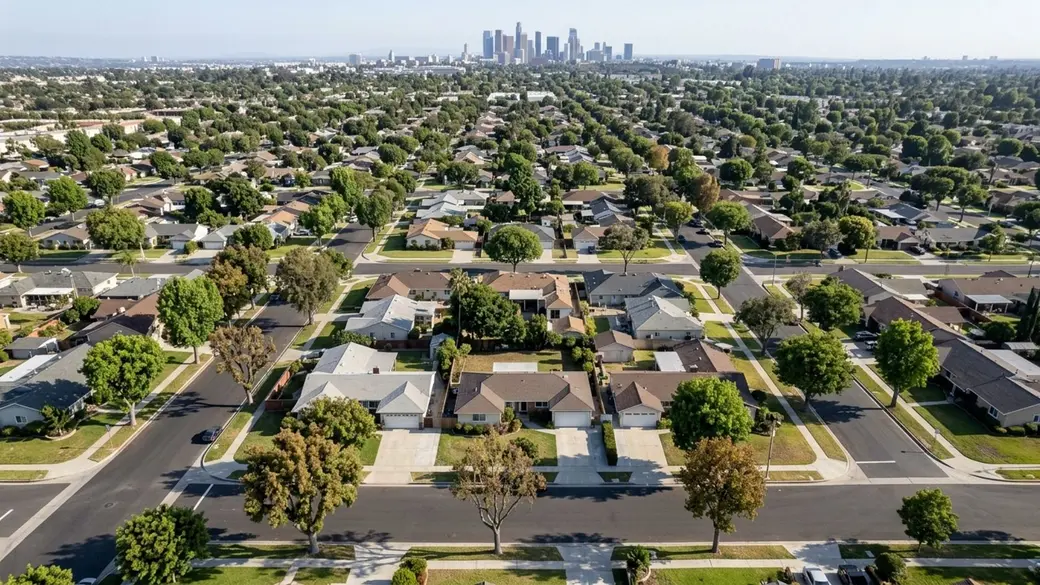
Twenty miles sounds close until you're sitting on the 405 at 6 p.m. Buyers comparing the pros and cons of living in Lakewood, CA versus Los Angeles have a real decision to make about price and what kind of daily life they're signing up for. Lakewood sits in southern Los Angeles County, with a housing stock and pace that feel genuinely different from the denser neighborhoods closer to the city center.
Your budget, commute tolerance, and preferred home style will drive the call more than anything else. Both areas share the broader Southern California climate and regional economy, but their real estate dynamics, lot sizes, and daily travel times are distinct enough in 2026 that the choice matters.
Real Estate Markets in Lakewood and Los Angeles
The median home sale price in Lakewood sits at approximately $913,500 as of mid-2026. The broader Los Angeles County median hovers around $900,000 - so at first glance, the numbers look almost identical.
Don't let that fool you into thinking you're buying the same thing in both places. What $913,500 actually gets you - the land under your feet, the architectural era, how fast you'll have company on an offer - plays out very differently depending on which side of that 20-mile gap you're shopping.
Median Home Prices and Affordability
Lakewood homes are spending roughly 27 days on the market before selling, with about 77 homes for sale and a 1.8-month supply. That's a tight market. Recent data shows homes selling for about 101.1% of list price, and over half of properties sold have gone above asking. If you're writing offers in Lakewood, you should expect company.
Property Types and Lot Sizes
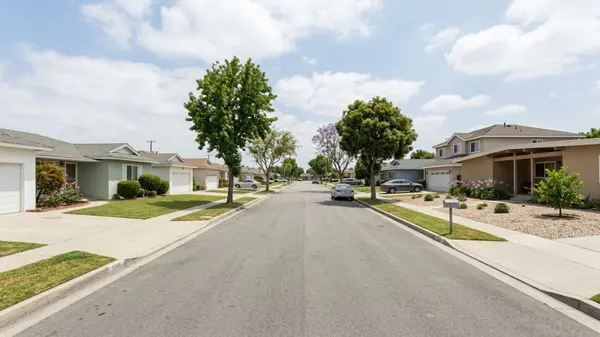
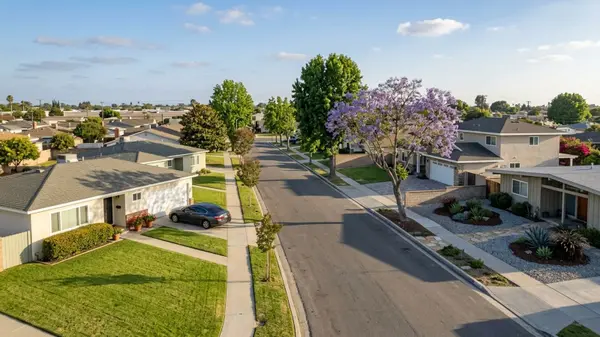
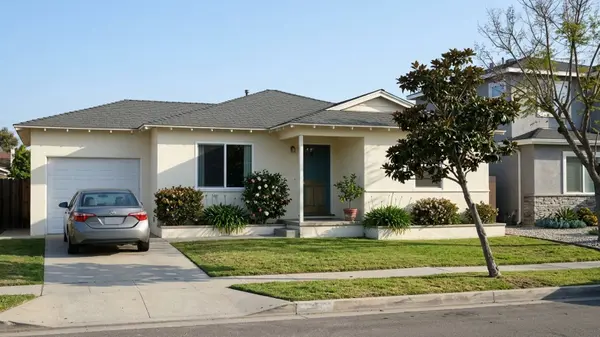
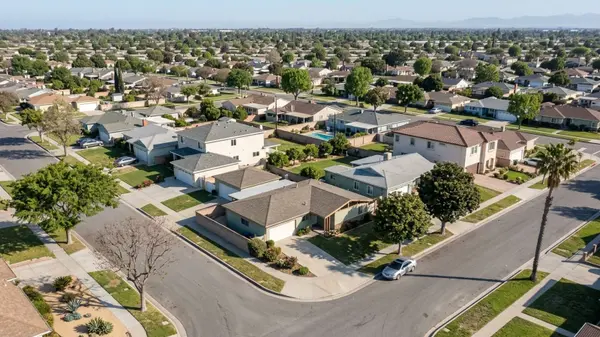
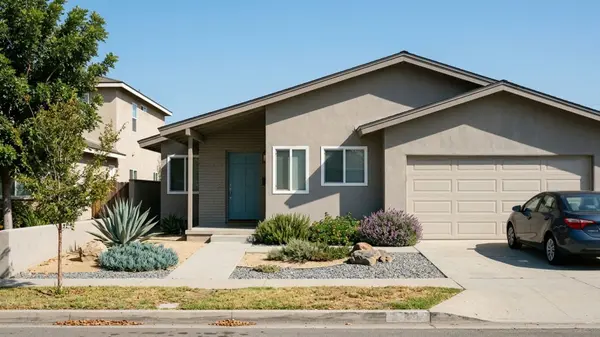
Lakewood's housing stock is largely single-story ranch-style homes from the post-war era. The city was developed as one of the nation's first large-scale planned communities, and those streets lined with traditional and mid-century architecture still define the neighborhood character today.
Lot sizes for typical single-family homes run from 5,000 to 9,600 square feet, with many of the mid-century tract homes sitting on roughly 6,000-square-foot lots. For buyers who want a real yard or room to expand, that matters.
Real Estate Market Trends
The Lakewood market has seen a 5% year-over-year increase in median sale prices, with 44 homes sold in a recent monthly tracking period - steady transaction volume that reflects consistent demand from buyers who want suburban living within commuting distance of major employment hubs.
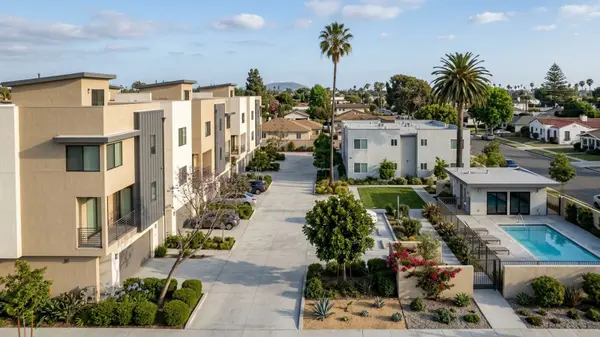
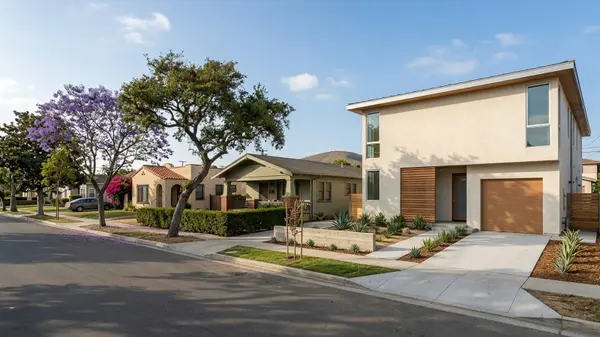
Los Angeles proper offers a wider range of property types, from high-rise condos downtown to hillside estates. If a specific architectural style or attached housing is what you're after, Los Angeles has more of it. If you want consistent lot sizes and single-story layouts, Lakewood is the cleaner answer.
Cost of Living and Housing Expenses
Los Angeles County's effective property tax rate generally lands around 0.68% to 0.69% of a home's assessed value, though depending on specific local bonds and assessments, that rate can reach up to 1.29% in certain areas. Based on those figures, the median annual property tax bill in the county falls roughly between $5,400 and $5,900.
Since both Lakewood and Los Angeles sit within the same county, the base property tax calculations follow the same California state laws - that part of the comparison is a wash.
Property Taxes and Local Fees
Where things diverge is in supplemental taxes and local parcel taxes. The base rate stays consistent across the county, but specific neighborhood bonds for infrastructure or schools can shift your final tax bill meaningfully depending on exactly where you buy.
HOAs are another line item to watch. They're less common in Lakewood's older tract neighborhoods than in Los Angeles's condo developments, but if you're buying into a managed community anywhere, those dues go straight into your debt-to-income ratio - lenders count them whether you want them to or not.
Everyday Expenses and Utilities
Utility providers differ by municipal boundary. The Los Angeles Department of Water and Power serves the city of Los Angeles, while Lakewood residents use a mix of local and regional utility providers. General consumer goods, groceries, and transit costs align closely across the region - both cities share the broader Southern California economic market.
For most buyers, the mortgage payment and daily commuting costs are what actually separate the two budgets. Everything else is roughly a draw.
Lifestyle, Geography, and Commutes
Lakewood sits about 18 to 22 miles southeast of Downtown Los Angeles, depending on the route. The city is flat and laid out on a grid - a real contrast to the varied topography you get in much of Los Angeles.
That geography shapes daily life more than buyers sometimes expect. Test your specific commute during rush hour before you commit to anything.
Commute Times and Transportation Options
The numbers here deserve a straight read. Driving from Lakewood to Downtown Los Angeles takes about 26 to 31 minutes without traffic. In real conditions, that trip runs 40 to 80 minutes. Commutes to other major hubs stretch further - Burbank runs 55 to 110 minutes, Century City runs 65 to 130 minutes.
Public transit is an option, though not a faster one. The bus or rail lines, including the A Line, from Lakewood to Downtown Los Angeles takes roughly 65 minutes to over an hour and a half.
Local Geography and Recreation
Lakewood's planned community origins mean consistent sidewalks, residential streets that make sense, and easy access to neighborhood parks. The layout is straightforward by design.
Los Angeles puts beaches, hiking trails in the Santa Monica Mountains, and large urban parks closer to your doorstep. Choosing Lakewood means trading that immediate access for a flatter, more uniform neighborhood structure - a real trade-off, not a better or worse one, just a different one.
Planning Your Move in Southern California
Here's where it lands. With a median price of $913,500, Lakewood offers a specific kind of suburban living - standard lot sizes, single-story homes, a consistent neighborhood character. Los Angeles gives you more variety in housing types and closer proximity to certain job hubs, but you're often giving up land or accepting an older, denser building stock to get it.
Neither answer is wrong. Reviewing active listings and tracking local inventory in both markets will show you quickly what your budget actually buys on each side of that 20-mile gap.
Frequently Asked Questions
Is it cheaper to buy a single-family home in Lakewood compared to Los Angeles?
It depends on the specific neighborhood and property type. The median home sale price in Lakewood is approximately $913,500, which is very close to the broader Los Angeles County median of roughly $900,000.
How bad is the daily commute from Lakewood, CA, to Downtown LA?
Driving the 20.1 miles to Downtown Los Angeles takes between 40 and 80 minutes during typical traffic conditions. Without traffic, the drive can take as little as 26 to 31 minutes.
Do homes in Lakewood typically offer larger lot sizes than similarly priced houses in Los Angeles?
Yes, Lakewood is known for its property dimensions compared to denser parts of Los Angeles. Typical single-family homes in Lakewood sit on lots ranging from 5,000 to 9,600 square feet.
What are the biggest lifestyle trade-offs buyers face when moving from Los Angeles to Lakewood?
The main trade-off is distance from central employment hubs and varied topography. Buyers trade shorter commutes to places like Century City, which can take up to 130 minutes from Lakewood, for single-story ranch homes on 6,000-square-foot lots.
Categories
- All Blogs (282)
- Aliso Viejo, California (2)
- Anaheim, Calfornia (5)
- Beach House (2)
- Best places for surfers (1)
- Bixby Knolls (1)
- Buena Park, California (2)
- Buying and Selling Real Estate (75)
- Buying or Seller Real Estate (2)
- California (2)
- California Beach House (2)
- Cerritos, California (1)
- Costa Mesa, California (1)
- Current Market (5)
- Cypress, CA (5)
- Dana Point, California (1)
- Downey, California (1)
- Equestrian (1)
- Fountain Valley, California (5)
- FSBO (1)
- Fullerton, California (1)
- Fur Parents (1)
- Garden Grove California (6)
- History (4)
- Holiday in Long Beach (1)
- home (12)
- Home Improvement (1)
- home value (7)
- Huntington Beach (5)
- Irvine, California (3)
- La Habra, California (1)
- Laguna Niguel, California (1)
- Lake Forest, California (1)
- Lakewood Event (2)
- Lakewood, California (46)
- Lifestyle (3)
- Listing (1)
- Long Beach Events (1)
- Long Beach Neighborhood (7)
- Long Beach, California (77)
- Los Alamitos (1)
- Los Alamitos, California (2)
- Market Reports (8)
- Mission Viejo, California (1)
- Mortgage Lender (1)
- Moving to Aliso Viejo, California (2)
- Moving to Anaheim, California (4)
- Moving to Buena Park, California (2)
- Moving to California (11)
- Moving to Cerritos, California (1)
- Moving to Costa Mesa, California (1)
- Moving to Cypress, CA (4)
- Moving to Dana Point, California (1)
- Moving to Downey, California (1)
- Moving to Fountain Valley, California (4)
- Moving to Fullterton, California (1)
- Moving to Garden Grove, California (5)
- Moving to Huntington Beach (5)
- Moving to Irvine, California (3)
- Moving to Lakewood (4)
- Moving to Lakewood, California (7)
- moving to Long Beach, California (17)
- Moving to Los Alamitos, California (2)
- Moving to Los Angeles (1)
- Moving to Mission Viejo, California (1)
- Moving to Newport, California (3)
- Moving to Orange County, California (20)
- Moving to Orange, California (2)
- Moving to Placentia, California (1)
- Moving to Rossmoor, California (1)
- Moving to San Clemente, California (2)
- Moving to Seal Beach, California (4)
- Moving to Signal Hill, California (2)
- Moving to Stanton, California (1)
- Moving to Tustin, California (2)
- Moving to Westminster, California (3)
- New Developments (1)
- Newport Beach, California (3)
- Orange County, California (10)
- Orange, California (3)
- Placentia, California (1)
- Real Estate (47)
- Real Estate Agent (28)
- Rossmoor, California (1)
- San Clemente, California (2)
- San Juan Capistrano, California (1)
- Saving Money (1)
- Seal Beach, California (6)
- Signal Hill, California (5)
- Social Media (1)
- Stagnation (1)
- Stanton, California (1)
- Success Story (1)
- surfing (1)
- Tips in Moving (2)
- Tustin, California (3)
- Westminster, California (3)
Recent Posts
GET MORE INFORMATION