

The History of Lakewood, CA: Origins, Naming, and Postwar Growth
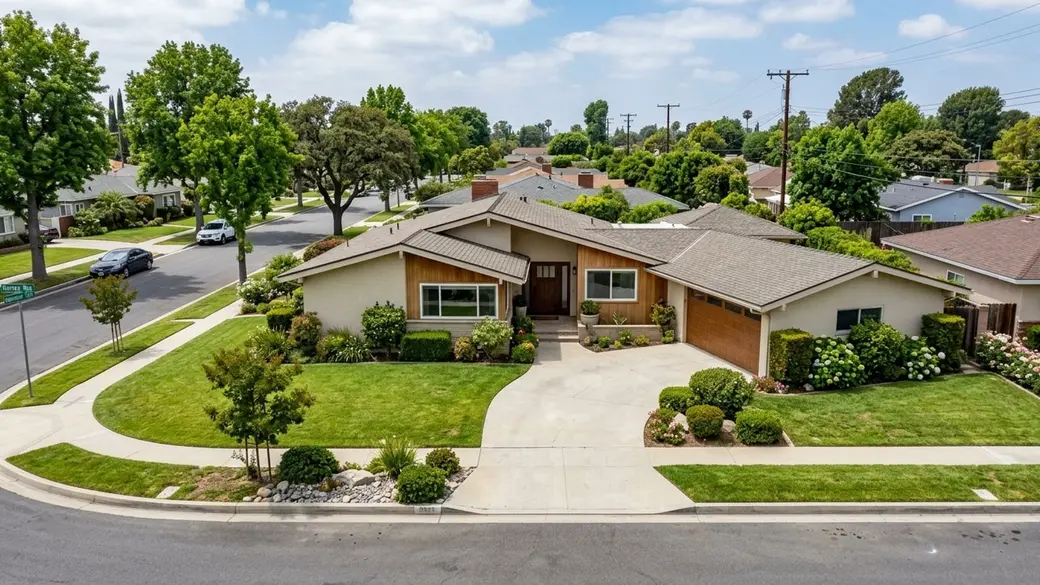
If you're weighing the pros and cons of living in Lakewood, you're probably focused on the here and now - the $913,500 median sale price as of mid-2026, the roughly 27 days a home sits before it's gone, the 77 or so listings you might be scrolling through right now. That's fair. But the reason this market behaves the way it does has everything to do with how this city came to exist in the first place.
What started as bean fields became a national blueprint for the American suburb. Understanding that story helps explain the grid you're driving around, the architecture you keep seeing, and why these neighborhoods have held their appeal decade after decade.
A Quick Look at Lakewood's Past and Present
Lakewood officially incorporated as a city on April 16, 1954, but the land's story goes back considerably further. Before the postwar boom changed everything, this was part of the Montana Ranch farming operation, established in 1904 by the Clark brothers on acreage that had previously belonged to Rancho Los Alamitos.
The first subdivision - Lakewood Village - was founded in 1934, laying the groundwork for what would become one of the most significant residential expansions in California history. Today, when you tour a home here, there's a reasonable chance you're walking through something built during that defining postwar era.
City Status and Location
Lakewood is its own city. Not a neighborhood of Long Beach, not an unincorporated community - an independently governed municipality. That status was formalized with the 1954 incorporation, giving the community control over its own planning and services.
Where the City Fits in Los Angeles County
Lakewood sits entirely within Los Angeles County, in the southeastern portion of the Greater Los Angeles metro area. That placement matters if you're weighing commute times, because you're positioned in what's known as the Gateway Cities - a cluster of municipalities that effectively bridges Los Angeles County and Orange County.
For a lot of buyers, that geography is genuinely useful. You're not locked into one employment corridor.
Regional Footprint
That location wasn't accidental. The city's proximity to the Douglas Aircraft defense plant drove enormous housing demand in the mid-20th century, and the neighborhoods expanded to meet it. The aerospace connection didn't just attract workers - it shaped the physical layout of what you're looking at today.
The Story Behind the Name
The name traces back to a drilling accident. Oil workers exploring the area struck an artesian well, and the water that came up created a body of water that came to be called Bouton Lake. Early developers latched onto that and named their 1934 subdivision "Lakewood Village." When the massive postwar tract developments expanded outward, the name came with them. By incorporation in 1954, it was permanent.
From Bouton Lake to Lakewood Village
Bouton Lake gave early marketers something to sell - a scenic focal point in an otherwise flat agricultural landscape. It worked. The name stuck, the community grew around it, and today "Lakewood" reflects that original marketing decision more than any densely wooded terrain.
Timeline of Founding and Development
The modern city really begins in 1949, when developers Louis Boyar, Mark Taper, and Ben Weingart formed the Lakewood Park Corporation and purchased roughly 3,500 acres of working bean fields. The goal was straightforward: build housing fast for the workers flooding into the area around the defense industries.
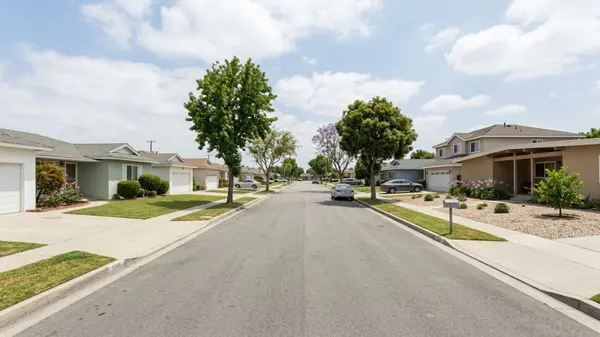
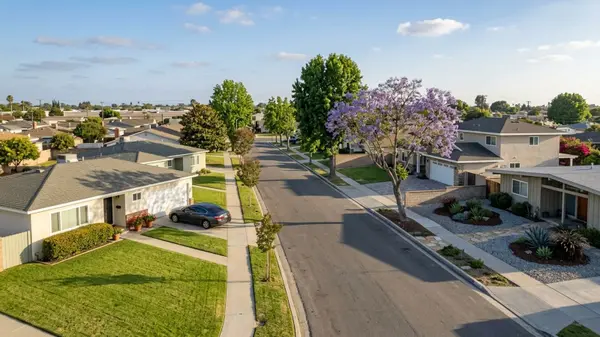
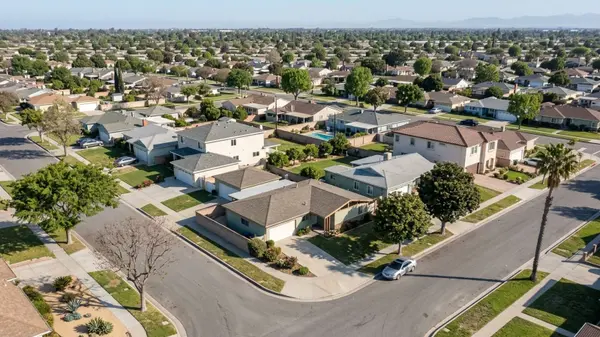
Mass tract-home construction began in 1950. The pace was extraordinary. Using assembly-line building techniques across thousands of lots, they built entire neighborhoods in a matter of years - fast enough to earn the area a nickname that stuck: "the instant city."
Building the Instant City
What made this project notable wasn't just the speed. The Lakewood Park Corporation didn't drop houses on raw land and call it done. They laid out infrastructure, parks, and commercial centers as part of the plan from the start. That large-scale approach became a model for how postwar suburbs were built across the country. You're still living with the results of that thinking every time you use one of those parks.
Local Landmarks and Historical Preservation
There's no single flagship historic landmark within the city's own boundaries. That said, the local government does run a municipal landmark-designation program, and it's worth knowing about if you're buying an older property.
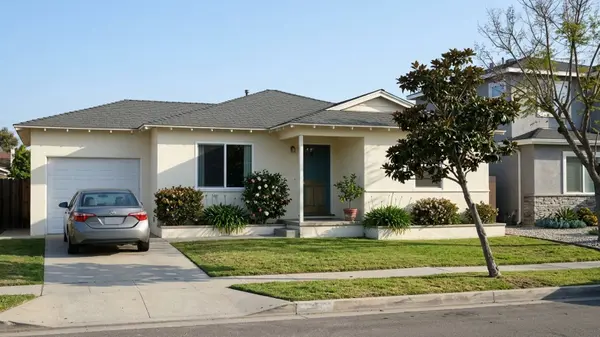
Any resource over 50 years old that still retains its historic integrity can be designated a local landmark under that program. For buyers considering renovations on a mid-century home, that's not a hypothetical concern - it's worth a call to the planning department before you start drawing up plans.
Museums and Neighboring Sites
There's no dedicated history museum inside the city limits. If your online search turns up a local history museum, double-check the address - searches for "Lakewood history museum" often surface a facility in Washington state that shares the name. For local history, residents typically rely on nearby historical societies or county library archives.
Just outside the city boundaries, the Dominguez Rancho Adobe Museum is worth knowing about. It's a California Historical Landmark and is listed on the National Register of Historic Places, covering the region's Rancho period - the world that existed here long before the 1950s grid was laid down.
What the City is Known For Today
Lakewood's historical identity is tied to postwar suburban development, not a particular industry or food scene. The mass-produced tract housing here became a template that defined the American suburb in the 1950s, and that legacy still shapes what the real estate market looks like.
The numbers reflect it. Homes here have been selling at about 101% of list price, with more than half of the recent 44 sales closing above asking. Supply sits at a tight 1.8 months. These aren't the numbers of a neighborhood people are leaving.
Famous Faces and Local Culture
The area has produced some recognizable names. According to public birth records, actors Bryton James and Ryan Eggold are associated with Lakewood, as are NBA player Kyle Korver and baseball player Bobby Crosby.
There's no signature local cuisine to speak of. The cultural identity here runs through the community planning itself - the original street grid, the parks, the retail centers - most of it still functioning roughly the way the 1950s developers drew it up.
Frequently Asked Questions
How fast were the original neighborhoods in Lakewood built during the 1950s housing boom?
Fast enough to earn the city the nickname "the instant city." The Lakewood Park Corporation purchased 3,500 acres of bean fields in 1949, started mass tract-home construction in 1950, and by April 1954 the community had grown large enough to incorporate as a city.
Are there historical preservation rules that restrict remodeling an original 1950s home in Lakewood?
It depends on your specific property. The city has a municipal landmark-designation program covering resources that are over 50 years old and retain their historic integrity. If you're buying an older home and you have renovation plans, check with the local planning department before you assume you have a free hand - the designation status of your particular house is what matters.
Categories
- All Blogs (282)
- Aliso Viejo, California (2)
- Anaheim, Calfornia (5)
- Beach House (2)
- Best places for surfers (1)
- Bixby Knolls (1)
- Buena Park, California (2)
- Buying and Selling Real Estate (75)
- Buying or Seller Real Estate (2)
- California (2)
- California Beach House (2)
- Cerritos, California (1)
- Costa Mesa, California (1)
- Current Market (5)
- Cypress, CA (5)
- Dana Point, California (1)
- Downey, California (1)
- Equestrian (1)
- Fountain Valley, California (5)
- FSBO (1)
- Fullerton, California (1)
- Fur Parents (1)
- Garden Grove California (6)
- History (4)
- Holiday in Long Beach (1)
- home (12)
- Home Improvement (1)
- home value (7)
- Huntington Beach (5)
- Irvine, California (3)
- La Habra, California (1)
- Laguna Niguel, California (1)
- Lake Forest, California (1)
- Lakewood Event (2)
- Lakewood, California (46)
- Lifestyle (3)
- Listing (1)
- Long Beach Events (1)
- Long Beach Neighborhood (7)
- Long Beach, California (77)
- Los Alamitos (1)
- Los Alamitos, California (2)
- Market Reports (8)
- Mission Viejo, California (1)
- Mortgage Lender (1)
- Moving to Aliso Viejo, California (2)
- Moving to Anaheim, California (4)
- Moving to Buena Park, California (2)
- Moving to California (11)
- Moving to Cerritos, California (1)
- Moving to Costa Mesa, California (1)
- Moving to Cypress, CA (4)
- Moving to Dana Point, California (1)
- Moving to Downey, California (1)
- Moving to Fountain Valley, California (4)
- Moving to Fullterton, California (1)
- Moving to Garden Grove, California (5)
- Moving to Huntington Beach (5)
- Moving to Irvine, California (3)
- Moving to Lakewood (4)
- Moving to Lakewood, California (7)
- moving to Long Beach, California (17)
- Moving to Los Alamitos, California (2)
- Moving to Los Angeles (1)
- Moving to Mission Viejo, California (1)
- Moving to Newport, California (3)
- Moving to Orange County, California (20)
- Moving to Orange, California (2)
- Moving to Placentia, California (1)
- Moving to Rossmoor, California (1)
- Moving to San Clemente, California (2)
- Moving to Seal Beach, California (4)
- Moving to Signal Hill, California (2)
- Moving to Stanton, California (1)
- Moving to Tustin, California (2)
- Moving to Westminster, California (3)
- New Developments (1)
- Newport Beach, California (3)
- Orange County, California (10)
- Orange, California (3)
- Placentia, California (1)
- Real Estate (47)
- Real Estate Agent (28)
- Rossmoor, California (1)
- San Clemente, California (2)
- San Juan Capistrano, California (1)
- Saving Money (1)
- Seal Beach, California (6)
- Signal Hill, California (5)
- Social Media (1)
- Stagnation (1)
- Stanton, California (1)
- Success Story (1)
- surfing (1)
- Tips in Moving (2)
- Tustin, California (3)
- Westminster, California (3)
Recent Posts
GET MORE INFORMATION