

Understanding Home Values in Long Beach, CA and How to Increase Yours
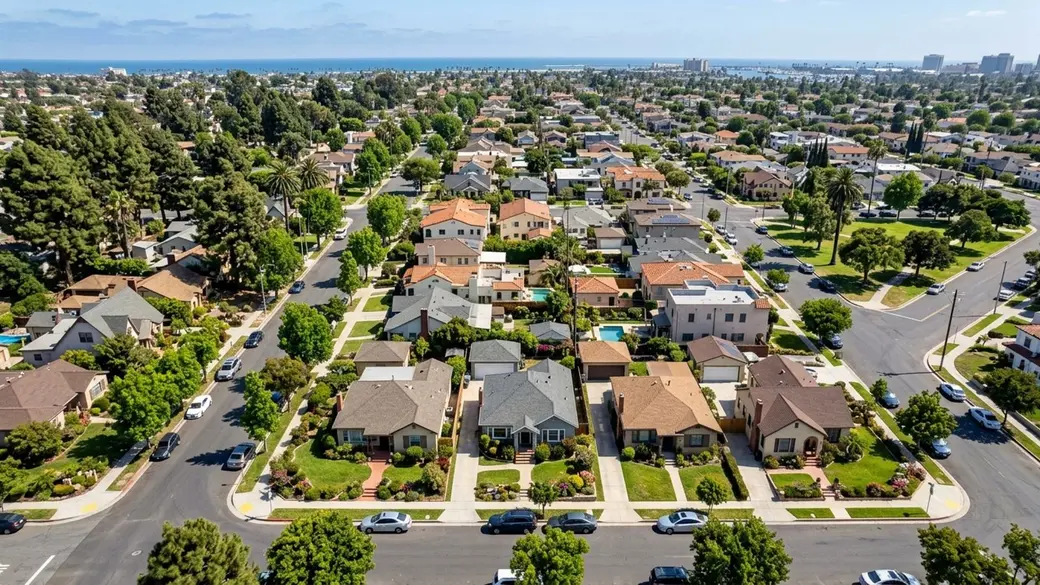
The median home sale price in Long Beach, CA sits at roughly $852,500 as of mid-2026. Anyone selling a home in Long Beach faces a real balancing act - properties take an average of 41 days to sell, and inventory hovers around 740 available homes.
Local market data helps you make smarter decisions about updates and pricing. Whether you're planning to list soon or just want to build equity over time, understanding what buyers are actually looking for will make a difference in how you approach increasing your home value in Long Beach, CA.
Median Home Prices in Long Beach, CA
Long Beach buyers are currently paying a median price of $852,500. That number gives you a useful baseline before you start thinking about how your property stacks up.
With 740 homes for sale and about 3.8 months of supply, the city leans slightly toward a seller's market - though buyers still have room to negotiate. In the latest reporting period, 194 homes closed. The 41-day average time on market tells you something important: pricing right from day one matters. Homes that chase the market down don't end up in better shape.
On average, homes here sell for just about 100% of list price, and 44.3% of them close above asking. Well-prepared properties are still generating real competition.
Price Per Square Foot and Regional Comparisons
The median price per square foot in Long Beach is approximately $616 - a solid starting point if you're trying to estimate your property's baseline value before factoring in condition or specific upgrades.
Long Beach also offers a slight discount relative to the broader region. The median home price across Los Angeles County runs around $905,000, and the larger Los Angeles Metro area comes in at roughly $860,000. That gap helps clarify where Long Beach sits competitively.
Long Beach Home Price Trends by Year
Values have pulled back about 1.6% year-over-year - a mild cooling that mirrors what's happening across various Southern California municipalities. It's not dramatic, but it's real.
That said, sellers who've owned for several years still hold substantial equity. And the fact that 44.3% of homes are closing above list price tells you demand hasn't evaporated. What's changed is that buyers have gotten more selective. A move-in ready home still draws a crowd; a home that needs work sits.
Median Prices Across Long Beach Zip Codes
Values shift considerably depending on where in the city you are. Long Beach covers a wide range of ZIP codes - 90801 through 90810, 90813 through 90815, 90822, 90831 through 90835, 90840, 90842, 90844, 90846 through 90848, 90853, 90895, and 90899.
Coastal zones and neighborhoods with larger lots tend to pull the median higher. Inland areas often offer more accessible entry points, particularly for first-time buyers. The citywide median is a reference point, not a verdict on your specific property - pull the recent sales in your exact ZIP code before drawing any conclusions.
Cost of Living and Population Context
Long Beach's overall cost of living runs about 50% higher than the national average, with housing making up the biggest chunk of that premium. That context shapes buyer behavior in ways that matter to sellers.
When someone is stretching to afford an $852,500 home, they usually don't have a renovation budget sitting in reserve. That's why move-in ready properties have an edge - buyers at this price point are often tapped out by the purchase itself.
On the population side, Long Beach has seen a slight decline recently, going from 466,742 residents at the 2020 census to an estimated 450,469 in 2025. This shift carries specific implications for sellers.
How Demographics Impact Housing Demand
A dip in population doesn't translate directly to a soft market. Long Beach is still the 44th-most populous city in the U.S., and there's a steady stream of buyers looking here.
With only 740 homes available, inventory stays tight enough to keep things competitive. You don't need population growth to get a strong sale price - you need a property that meets current buyer expectations.
Ways to Increase Your Home Value in Long Beach, CA
With an average of 41 days on the market, targeted updates are what separate listings that generate offers from listings that generate price reductions. Buyers want to move in without writing an additional check on day one.
Start with deferred maintenance - the things that show up on an inspection report and hand buyers leverage. Fix leaky faucets, replace worn carpets, and service the HVAC system. None of it is glamorous, but all of it signals that the home has been taken care of.
Cosmetic updates can move the needle quickly. Fresh interior paint in neutral tones, updated lighting fixtures - these are low-cost, high-visibility changes that modernize a space without a major renovation. Focus on what appeals to the broadest range of buyers, not what reflects your personal taste.
High-Return Exterior and Interior Upgrades
First impressions are set before anyone walks through the door. Landscaping, a freshly painted front door, a power-washed driveway - these don't cost much, but they change how a buyer feels pulling up to the property.
Inside, kitchens and bathrooms do the most work. You don't need a full gut renovation to see a return. Replacing cabinet hardware, updating faucets, installing new countertops - a targeted refresh is often enough to justify a higher asking price without the time and cost of a complete remodel.
Frequently Asked Questions
Which home improvements offer the highest return on investment for Long Beach properties?
Buyers stretching to meet the $852,500 median price rarely have cash left for major renovations. You will see the highest return by combining a clean inspection report with minor cosmetic changes, rather than undertaking full structural additions.
Should I renovate my Long Beach house before selling or just list it as-is?
It depends on the property's condition and your timeline. Homes that need significant work tend to sit longer than the 41-day average, so completing minor repairs usually puts you in a stronger position to hold your price.
Which value-adding home renovations require a building permit in Long Beach, CA?
Most structural, electrical, and plumbing work requires permits. Check the Long Beach Development Services website for the specific requirements before starting any major additions or remodels.
What are the most cost-effective ways to boost my home's appraisal value in Long Beach?
Deferred maintenance and curb appeal give you the most return for the money spent. Provide your appraiser with a list of recent updates - they can only credit what they know about.
How much does adding an ADU increase property value in Long Beach?
It varies based on the size and quality of the unit. Talk to a local appraiser before assuming a number - how an accessory dwelling unit affects your valuation depends on your specific property.
What common home upgrades hurt resale value in the Long Beach market?
Personalized renovations are the main culprit. Converting a bedroom into a specialized space, or installing custom tile that's too specific to your taste - these moves shrink your buyer pool and usually show up in your final sale price.
Categories
- All Blogs (282)
- Aliso Viejo, California (2)
- Anaheim, Calfornia (5)
- Beach House (2)
- Best places for surfers (1)
- Bixby Knolls (1)
- Buena Park, California (2)
- Buying and Selling Real Estate (75)
- Buying or Seller Real Estate (2)
- California (2)
- California Beach House (2)
- Cerritos, California (1)
- Costa Mesa, California (1)
- Current Market (5)
- Cypress, CA (5)
- Dana Point, California (1)
- Downey, California (1)
- Equestrian (1)
- Fountain Valley, California (5)
- FSBO (1)
- Fullerton, California (1)
- Fur Parents (1)
- Garden Grove California (6)
- History (4)
- Holiday in Long Beach (1)
- home (12)
- Home Improvement (1)
- home value (7)
- Huntington Beach (5)
- Irvine, California (3)
- La Habra, California (1)
- Laguna Niguel, California (1)
- Lake Forest, California (1)
- Lakewood Event (2)
- Lakewood, California (46)
- Lifestyle (3)
- Listing (1)
- Long Beach Events (1)
- Long Beach Neighborhood (7)
- Long Beach, California (77)
- Los Alamitos (1)
- Los Alamitos, California (2)
- Market Reports (8)
- Mission Viejo, California (1)
- Mortgage Lender (1)
- Moving to Aliso Viejo, California (2)
- Moving to Anaheim, California (4)
- Moving to Buena Park, California (2)
- Moving to California (11)
- Moving to Cerritos, California (1)
- Moving to Costa Mesa, California (1)
- Moving to Cypress, CA (4)
- Moving to Dana Point, California (1)
- Moving to Downey, California (1)
- Moving to Fountain Valley, California (4)
- Moving to Fullterton, California (1)
- Moving to Garden Grove, California (5)
- Moving to Huntington Beach (5)
- Moving to Irvine, California (3)
- Moving to Lakewood (4)
- Moving to Lakewood, California (7)
- moving to Long Beach, California (17)
- Moving to Los Alamitos, California (2)
- Moving to Los Angeles (1)
- Moving to Mission Viejo, California (1)
- Moving to Newport, California (3)
- Moving to Orange County, California (20)
- Moving to Orange, California (2)
- Moving to Placentia, California (1)
- Moving to Rossmoor, California (1)
- Moving to San Clemente, California (2)
- Moving to Seal Beach, California (4)
- Moving to Signal Hill, California (2)
- Moving to Stanton, California (1)
- Moving to Tustin, California (2)
- Moving to Westminster, California (3)
- New Developments (1)
- Newport Beach, California (3)
- Orange County, California (10)
- Orange, California (3)
- Placentia, California (1)
- Real Estate (47)
- Real Estate Agent (28)
- Rossmoor, California (1)
- San Clemente, California (2)
- San Juan Capistrano, California (1)
- Saving Money (1)
- Seal Beach, California (6)
- Signal Hill, California (5)
- Social Media (1)
- Stagnation (1)
- Stanton, California (1)
- Success Story (1)
- surfing (1)
- Tips in Moving (2)
- Tustin, California (3)
- Westminster, California (3)
Recent Posts
GET MORE INFORMATION