

What to Expect in the Lakewood, CA Housing Market in 2026
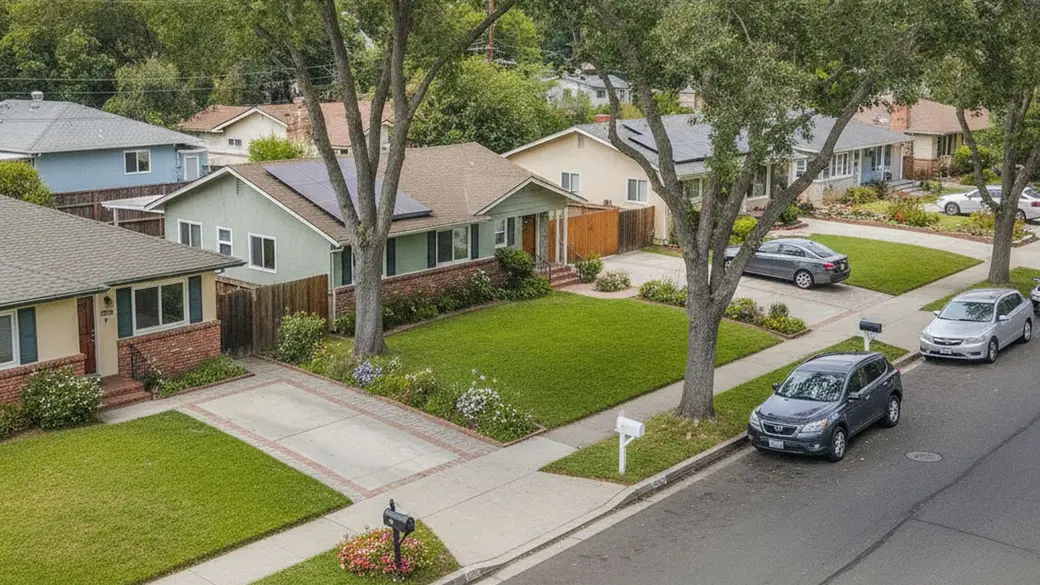
The median sale price for homes in Lakewood, CA hit approximately $913,500 in the spring of 2026 - a 5% jump over the previous year. That number tells you something important: demand here hasn't let up. Anyone buying a home in Lakewood, CA is walking into a market where good homes draw multiple offers, and hesitation tends to cost money.
For sellers, the picture looks even cleaner. With just 1.8 months of supply on the market, inventory is tight enough that well-priced homes are moving fast. If you're on either side of a Lakewood transaction right now, the most useful thing you can do is understand exactly what you're walking into before you start.
Current State of the Lakewood Housing Market
There are roughly 77 active listings in the city as of mid-2026. That's it. For a city of Lakewood's size, 77 homes translates to about 1.8 months of supply - deep into seller's market territory. A balanced market sits closer to four to six months, so you can see how far off that baseline we are.
More than half of the homes sold recently went for above asking price, and the average sale-to-list ratio sits at about 101%. Sellers have the leverage right now, particularly on move-in ready single-family homes.
Buyer and Seller Market Dynamics
The median days on market is 27. That's not a lot of time. If you tour a home on Saturday, don't expect to spend the week thinking it over - offers are typically going in by Monday or Tuesday. Buyers who haven't secured financing before they start touring are putting themselves at a real disadvantage.
The California Regional Multiple Listing Service (CRMLS) tracks these transactions across the region, and local agents pull from that data constantly to advise clients on how aggressively to bid or where to price a listing.
How Lakewood Compares to the Los Angeles Metro
Lakewood sits within the broader Los Angeles Metro, but it moves differently than the urban core. Pricing across the county swings wildly depending on the neighborhood. Lakewood's suburban profile stays comparatively consistent.
A lot of buyers land here specifically because they want access to major employment centers without paying coastal premiums. The local market generally tracks Southern California's broader trends, but the limited inventory provides a kind of buffer against sudden price drops.
Home Prices and Values in Lakewood, CA
The median sale price is $913,500, but that number shifts depending on which part of the city you're looking at. Zillow estimates the typical home value across the 90712 area and surrounding sectors ranges from roughly $802,000 to $886,000. Think of those figures as your starting point for what to budget - the condition and size of any specific property will move the number from there.
Fully renovated homes often list close to the $1 million mark. Properties that need work sell for less. If you're a seller, looking at recent sales on your specific block will tell you more than the citywide median ever could.
Median and Average Sale Prices
The median sale price - $913,500 - is the figure worth anchoring to. It marks the midpoint where half the homes sold for more and half sold for less. Averages can get pulled upward by a handful of high-end outliers, so the median gives you a cleaner read on where the market actually sits.
Year-over-year, that median is up 5%. Steady appreciation, not a spike.
Price Per Square Foot and Property Types
At roughly $672 per square foot, Lakewood's price-per-square-foot metric gives you a practical way to compare homes of different sizes - useful when you're weighing a compact starter home against something larger.
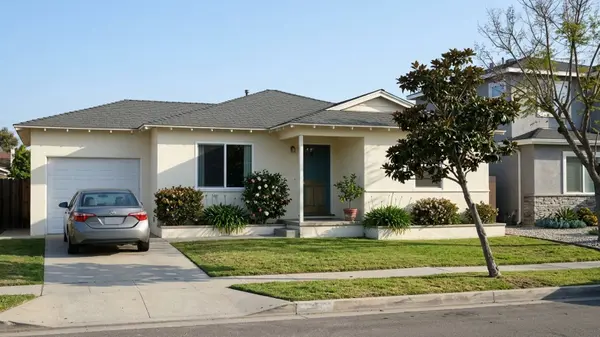
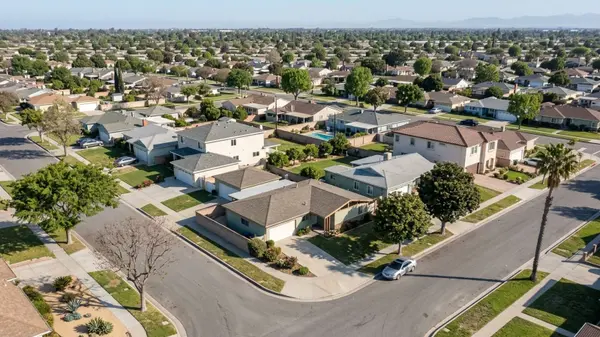
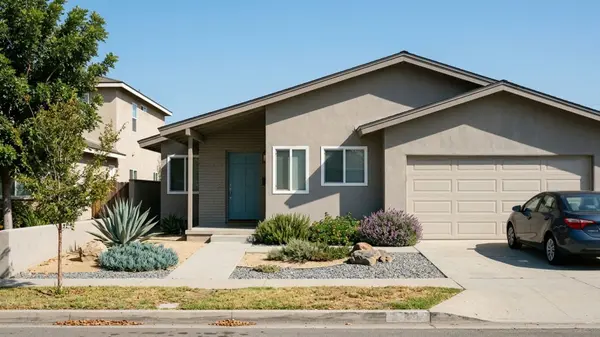
The housing stock here is predominantly mid-century single-family homes, with some condos and townhouses mixed in. Condominiums tend to offer a more accessible entry point for first-time buyers. Detached homes carry higher premiums, and that gap isn't likely to close anytime soon.
Recent Housing Market Trends in Lakewood
Only 44 homes sold in the most recent tracking month. When you pair that transaction volume against 77 active listings, you start to understand why the homes that do hit the market attract so much concentrated attention. There simply isn't enough inventory to absorb buyer demand at a comfortable pace.
The median days on market has dropped to 27 days. That pace doesn't leave much room for indecision.
Inventory and Supply Levels
The 1.8 months of supply is well below historical norms. A meaningful part of what's driving that is homeowners staying put longer, which keeps new listings from coming to market in any significant volume.
This inventory crunch hits every price tier - entry-level condos and upgraded single-family homes are both affected. Until more sellers decide to list, buyers should expect the same competitive conditions at the open house they walked into this weekend.
Are Home Prices Dropping?
No. The 5% year-over-year increase in the median sale price is pointing in the opposite direction. Some individual homes do see price reductions when a seller starts too high, but the broader trend is upward.
Buyers holding out for a significant dip should weigh that strategy carefully. If current conditions hold, waiting tends to mean paying more for the same property down the road.
Real Estate Forecast and Predictions for 2026
More than 54% of homes in Lakewood are selling above list price right now. That figure tells you buyer demand is still outrunning supply, and there's no sign of a sudden inventory surge on the horizon to change that math through the rest of 2026.
Interest rates and broader California economic conditions will shape how much prices move, but the local fundamentals - limited supply, consistent competition - provide a solid floor under property values.
Will the Housing Bubble Burst?
A bubble requires two things: rampant speculation and oversupply. Lakewood has neither. With 1.8 months of supply, the market is constrained by a genuine shortage of homes, not by artificial inflation driven by flipping activity.
Lending standards have stayed tight, which means current owners are well-qualified and sitting on real equity. A sudden crash isn't supported by anything in the local data right now.
Is Now a Good Time to Buy?
That depends entirely on your financial readiness and how long you plan to stay. With prices up 5% over the past year, waiting has a cost - you may be paying more for the same home later. Buyers who plan to own for several years can ride out minor fluctuations and start building equity instead of absorbing rent increases.
It's a real trade-off, and the right answer varies from one buyer to the next.
Affordability and Cost of Living Factors
The median household income in Lakewood was $119,177 as of the most recent Census data in 2024. That number matters because at a citywide median sale price of $913,500, buying here requires meaningful purchasing power. Earning above that income median is generally necessary to carry a home at that price point comfortably.
Beyond the purchase price, don't underestimate what property taxes, insurance, and any homeowners association fees do to a monthly payment. Those line items can shift your debt-to-income ratio enough to affect what a lender will approve.
Income and Purchasing Power
A home near $900,000 demands a substantial down payment and a strong household income. Lenders typically want to see a debt-to-income ratio below 43%, and that calculation includes your new mortgage alongside any existing debt obligations.
First-time buyers often look toward condominiums or explore down payment assistance programs to get into the market. Sitting down with a lender before you start touring homes is the clearest way to find out exactly where your ceiling is.
Is Lakewood Considered Expensive?
By national standards, yes - this is an expensive market. But relative to coastal Los Angeles communities, Lakewood is often seen as a more accessible option within the same region. The cost of living here reflects the broader premium that comes with Southern California real estate.
Evaluating affordability honestly means looking at both the home price and the economic opportunities in the surrounding area, not just comparing the sticker price to somewhere else in the country.
Investing and Living in Lakewood
The 101% sale-to-list ratio and consistent 5% year-over-year appreciation make a straightforward case for Lakewood as a long-term real estate hold. Properties here aren't just selling - they're selling for more than sellers asked, which reflects real and sustained market interest.
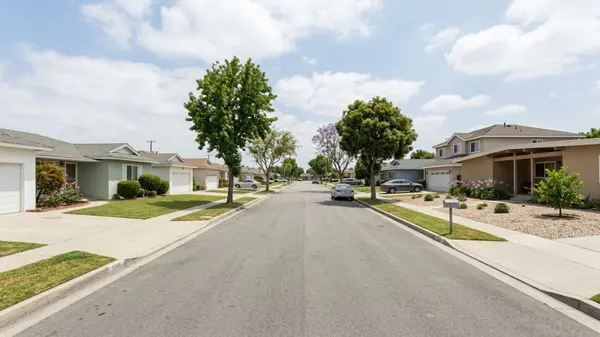
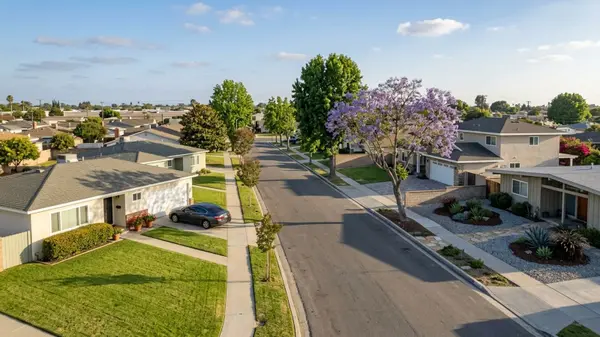
The area features numerous parks, tree-lined streets, and established commercial centers. Those aren't incidental details. They're the kind of neighborhood characteristics that keep a steady pool of buyers and renters in the market, which is what supports values over time.
Long-Term Investment Outlook
Investors buying rental properties here benefit from a stable tenant pool and virtually no new construction. There's limited room for sprawling development, which means existing homes aren't competing with a flood of new inventory.
The entry price is high - that's real. But consistent demand tends to keep vacancy rates low, and that's the math that matters for a rental property. Analyze local rental rates carefully before you close to make sure the numbers actually work.
Retirement and Daily Living
Single-story homes are common in Lakewood's mid-century tracts, which is a practical advantage for buyers looking to downsize. The flat terrain and proximity to commercial areas add to that ease of living.
The local climate and access to healthcare facilities make this a reasonable long-term choice for residents planning to stay put. One thing worth thinking through early: how local property taxes fit into a fixed-income budget. It's the kind of detail that's easy to overlook during the buying process and harder to ignore once you're in the house.
Practical Tips for Buyers and Sellers
Active listings in Lakewood are handled by a range of local and national brokerages - Keller Williams, Century 21, Coldwell Banker, and independent firms like Circle Real Estate among them. Working with an agent who knows the 90712 ZIP code and the surrounding neighborhoods can make a real difference when a deal moves fast.
Sellers should have their homes ready to show before they list. Buyers should have their financing locked up before they tour. Those two things alone put you ahead of most people in this market.
Timing Your Sale
Spring and early summer typically bring the highest volume of buyer activity in Southern California. Listing during those months gives you the best shot at multiple offers and a faster close.
The winter months - especially around the holidays - are slower. Fewer buyers are out looking. That said, the buyers who are active in December and January tend to be motivated, so a well-priced home can still move.
The 3-3-3 Rule in Real Estate
You'll hear agents reference the 3-3-3 rule: spend three months getting your finances in order, explore at least three different neighborhoods, and tour three homes in your target area before making an offer. It's a structured way to avoid making a rushed decision on the biggest purchase of your life.
In a market moving as fast as Lakewood's, the preparation phase carries extra weight. Walk into those three home tours with a pre-approval letter already in hand. If the right property shows up, you need to be able to write an offer that day - not next week.
Frequently Asked Questions About Lakewood Real Estate
Are home prices going down in Lakewood, CA right now?
No. The median sale price reached approximately $913,500 in mid-2026, which is a 5% increase over the previous year. Prices are moving up, not down.
How much over asking price are homes selling for in the Lakewood market?
On average, homes in Lakewood sell for about 1% above their asking price. More than half of recent sales closed above the initial list price, driven by competitive buyer demand.
Do I need to update my original 1950s house before listing it for sale in Lakewood?
It depends on your pricing strategy. Fully renovated homes command a premium, but with only 1.8 months of supply, buyers are also purchasing older homes that need updates - just at a lower price point.
How long does it typically take to sell a property in Lakewood, CA from listing to closing?
Homes spend a median of 27 days on the market before going under contract. Once an offer is accepted, closing typically takes an additional 30 to 45 days depending on the buyer's financing.
Is it currently a better real estate investment to buy in Lakewood or neighboring Long Beach?
That depends on your investment goals. Lakewood offers a stable suburban environment with consistent 5% year-over-year appreciation. Long Beach provides a wider variety of property types, including more coastal and multi-family options.
What happens if my Lakewood home appraisal comes in lower than the buyer's offer?
A few paths forward: the buyer can make up the difference in cash, the seller can lower the price to match the appraisal, or both parties can negotiate something in between. If no agreement is reached, the buyer may cancel the contract - provided they have an appraisal contingency in place.
Categories
- All Blogs (282)
- Aliso Viejo, California (2)
- Anaheim, Calfornia (5)
- Beach House (2)
- Best places for surfers (1)
- Bixby Knolls (1)
- Buena Park, California (2)
- Buying and Selling Real Estate (75)
- Buying or Seller Real Estate (2)
- California (2)
- California Beach House (2)
- Cerritos, California (1)
- Costa Mesa, California (1)
- Current Market (5)
- Cypress, CA (5)
- Dana Point, California (1)
- Downey, California (1)
- Equestrian (1)
- Fountain Valley, California (5)
- FSBO (1)
- Fullerton, California (1)
- Fur Parents (1)
- Garden Grove California (6)
- History (4)
- Holiday in Long Beach (1)
- home (12)
- Home Improvement (1)
- home value (7)
- Huntington Beach (5)
- Irvine, California (3)
- La Habra, California (1)
- Laguna Niguel, California (1)
- Lake Forest, California (1)
- Lakewood Event (2)
- Lakewood, California (46)
- Lifestyle (3)
- Listing (1)
- Long Beach Events (1)
- Long Beach Neighborhood (7)
- Long Beach, California (77)
- Los Alamitos (1)
- Los Alamitos, California (2)
- Market Reports (8)
- Mission Viejo, California (1)
- Mortgage Lender (1)
- Moving to Aliso Viejo, California (2)
- Moving to Anaheim, California (4)
- Moving to Buena Park, California (2)
- Moving to California (11)
- Moving to Cerritos, California (1)
- Moving to Costa Mesa, California (1)
- Moving to Cypress, CA (4)
- Moving to Dana Point, California (1)
- Moving to Downey, California (1)
- Moving to Fountain Valley, California (4)
- Moving to Fullterton, California (1)
- Moving to Garden Grove, California (5)
- Moving to Huntington Beach (5)
- Moving to Irvine, California (3)
- Moving to Lakewood (4)
- Moving to Lakewood, California (7)
- moving to Long Beach, California (17)
- Moving to Los Alamitos, California (2)
- Moving to Los Angeles (1)
- Moving to Mission Viejo, California (1)
- Moving to Newport, California (3)
- Moving to Orange County, California (20)
- Moving to Orange, California (2)
- Moving to Placentia, California (1)
- Moving to Rossmoor, California (1)
- Moving to San Clemente, California (2)
- Moving to Seal Beach, California (4)
- Moving to Signal Hill, California (2)
- Moving to Stanton, California (1)
- Moving to Tustin, California (2)
- Moving to Westminster, California (3)
- New Developments (1)
- Newport Beach, California (3)
- Orange County, California (10)
- Orange, California (3)
- Placentia, California (1)
- Real Estate (47)
- Real Estate Agent (28)
- Rossmoor, California (1)
- San Clemente, California (2)
- San Juan Capistrano, California (1)
- Saving Money (1)
- Seal Beach, California (6)
- Signal Hill, California (5)
- Social Media (1)
- Stagnation (1)
- Stanton, California (1)
- Success Story (1)
- surfing (1)
- Tips in Moving (2)
- Tustin, California (3)
- Westminster, California (3)
Recent Posts
GET MORE INFORMATION