

First-Time Homebuyer Programs in Lakewood, CA for 2026
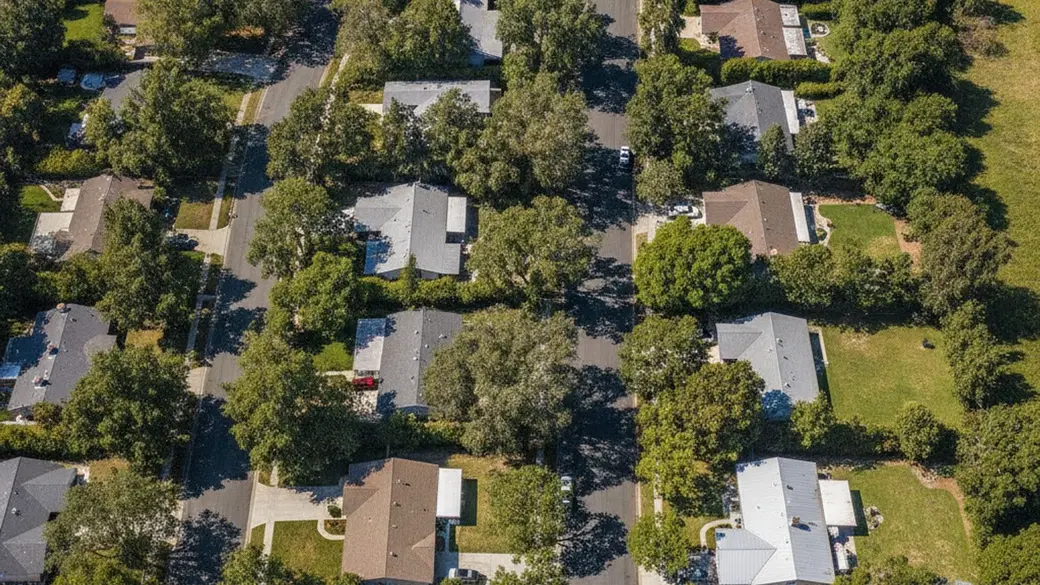
The median sale price for a home in Lakewood, CA right now is around $913,500. Homes are spending roughly 27 days on the market, and more than half are selling above list price. It's a fast environment.
Coming up with a 20% down payment on a $900,000 property is a serious ask for most buyers. There are programs built specifically to help Lakewood buyers cover down payment and closing costs - some at the state level, some through Los Angeles County. Here's what you need to know before you start calling lenders.
What to Know About First-Time Homebuyer Programs in Lakewood, CA
If you're searching for a City of Lakewood down payment program, you won't find one. That's not a knock on the city - it just means local buyers rely on a combination of Los Angeles County initiatives and California state housing programs instead.
These programs help cover the difference between what you've saved and what you actually need to close. Before you go any further, though, you need to know whether California considers you a first-time buyer.
Defining a First-Time Buyer in California
California defines a first-time homebuyer as someone who has not owned and occupied their primary residence in the past three years. Owned a home five years ago and have been renting since? You qualify.
Types of Assistance Available
Most of what's out there isn't a free grant. The state and county primarily offer deferred-payment loans - commonly called silent seconds.
A silent second sits behind your primary mortgage and doesn't require monthly payments. The balance comes due when you sell the home, pay off the first mortgage, or refinance. You're not off the hook forever, but you're also not writing a check every month.
California State Down Payment and Closing Cost Options
The California Housing Finance Agency (CalHFA) runs several statewide programs that Lakewood buyers can access. The general structure pairs a first mortgage with a subordinate loan to cover upfront costs.
These are deferred loans, not traditional grants, so the repayment terms matter. Read them before you sign anything. CalHFA offers different paths depending on which loan type you're using.
Statewide Assistance Programs
The MyHome Assistance Program provides up to 3.5% of the purchase price or appraised value when paired with a CalHFA FHA loan. Pair it with a CalHFA Conventional, VA, or USDA loan instead, and MyHome provides up to 3%.
For closing costs specifically, the Zero Interest Program (ZIP) provides 2% or 3% of the total first loan amount - but only when used with CalPLUS first mortgages. There's also MyAccess, which offers 2.5% of the first loan amount for buyers using a CalPLUS Access FHA loan.
The Dream For All Shared Appreciation Loan is a different animal entirely. It's lottery-based, offers up to 20% of the purchase price capped around $150,000, and requires repayment of the original loan amount plus a share of the home's appreciation when you sell.
How Repayment Works
No monthly payments while you're living in the home. The money comes back to the agency when you transfer the deed, sell the property, or refinance your primary mortgage.
Down Payment Assistance for Los Angeles County Residents
Because Lakewood doesn't manage its own municipal housing fund, buyers look to the Los Angeles County Development Authority (LACDA). LACDA runs programs for residents in unincorporated areas and participating cities, Lakewood among them.
Buyers can also look into options through regional non-profits, including the Neighborhood LIFT program from Neighborhood Housing Services of Los Angeles County. One thing worth knowing upfront: the City of Los Angeles Low Income Purchase Assistance (LIPA) program applies only within LA city limits. It cannot be used for a Lakewood home.
HOP80 and HOP120 Programs
LACDA offers the HOP80 and HOP120 Home Ownership Programs for qualifying buyers outside the City of LA. Both provide up to $100,000 or 20% of the purchase price, whichever is less.
The assistance comes as a 0% interest, deferred second mortgage with a shared equity provision - meaning the county takes a portion of the equity when the home is sold, transferred, or refinanced. To use either HOP program, you'll need to invest at least 1% of the down payment from your own funds and complete an eight-hour HUD-approved homebuyer education seminar.
Who Qualifies for These Programs
Approval depends on household income, credit scores, and the purchase price of the home. Agencies update these thresholds regularly, so what was true last year may have shifted.
Your lender will pull your financial documentation and verify that you fall within the allowed limits. Miss the income cap or the credit score floor, and the subordinate loan won't get approved.
Income Limits for Los Angeles County
Effective June 30, 2026, CalHFA caps income at $214,000 for Los Angeles County on standard first and subordinate mortgages. That's a countywide figure and applies regardless of household size.
The Dream For All Shared Appreciation Loan Program has a lower threshold. For that specific lottery program, the Los Angeles County income limit is $168,000.
Credit Score Minimums
CalHFA requires a minimum credit score of 640 for all government loans - FHA, VA, and USDA. FHA borrowers using manual underwriting or buying a manufactured home need a 660.
For CalHFA Conventional loans, the requirements split based on income. If your income is above the HomeReady 80% Area Median Income limit, you need a 680. At or below that limit, you need a 660. And if you have no credit score at all, you're ineligible for any CalHFA program.
How to Apply for Assistance
You can't walk up to a housing agency and submit an application directly. Buyers work through a network of approved private lenders who handle the paperwork, originate the primary mortgage, and reserve the assistance funds on your behalf.
Getting your documents in order early matters more than most buyers expect.
Finding an Approved Lender
Start on the CalHFA or LACDA websites and pull a list of participating lenders. These lenders know exactly what documentation a deferred loan approval requires - don't try to piece it together with a lender who's never done one.
Completing the Education Course
CalHFA requires at least one occupying first-time borrower to complete a homebuyer education course. The only accepted online option is eHome's eight-hour course, which costs $100.
Frameworks and HomeView are not accepted because they don't include a mandatory one-hour, one-on-one counseling session. If you'd rather do it live, you can complete counseling in-person or virtually through NeighborWorks America or a HUD-approved agency.
Federal Loan Options for Lakewood Buyers
State and county programs are built to work alongside standard mortgage products. Most Lakewood buyers pair local assistance with a federal loan type to bring down their upfront costs further.
Each federal program has its own property guidelines and underwriting standards. Your lender will help you match the right primary mortgage to your situation.
FHA, VA, and USDA Loans
FHA loans are a common starting point for first-time buyers - they require just a 3.5% down payment. VA loans offer zero-down financing for eligible veterans and active-duty military members.
USDA loans also allow zero down, but they're restricted to designated rural areas. Given Lakewood's suburban density, properties here generally don't qualify for USDA financing.
Frequently Asked Questions
What are the income limits to qualify for first-time homebuyer assistance in Lakewood?
CalHFA caps income at $214,000 for standard programs in Los Angeles County as of mid-2026. For the Dream For All program, the limit is $168,000. Both caps apply countywide regardless of household size.
Does the city of Lakewood offer its own down payment assistance programs, or do I use LA County and California state grants?
The City of Lakewood does not have its own dedicated program. Buyers use Los Angeles County programs like HOP80 and HOP120 alongside state-level CalHFA assistance.
Can I use local homebuyer programs to cover my closing costs in Lakewood, or just the down payment?
Yes - closing costs are covered too. CalHFA's Zero Interest Program (ZIP) provides 2% or 3% of the loan amount specifically for closing costs, and MyHome can be applied to either the down payment or closing costs.
Will using a down payment assistance program delay my escrow closing time when buying a house in Lakewood?
It can add a few days to the timeline because a second agency must review and approve the file. Tell your lender and real estate agent early that you're using a program - it makes managing the closing date a lot easier.
Do I have to pay back the homebuyer assistance if I sell or refinance my Lakewood property later?
Yes. Most California and Los Angeles County assistance programs are deferred second mortgages. The original amount plus any shared equity becomes due when you sell, transfer, or refinance the home.
What are the steps to apply for first-time buyer grants when purchasing a home in Lakewood, CA?
Start by finding a CalHFA- or LACDA-approved lender to pre-qualify you. Then complete the required eight-hour HUD-approved homebuyer education course before your final loan application goes in.
Can I combine local Lakewood homebuyer grants with an FHA or VA loan?
Yes. CalHFA's MyHome program provides up to 3.5% assistance when paired with an FHA loan, and up to 3% when paired with a VA loan.
Categories
- All Blogs (282)
- Aliso Viejo, California (2)
- Anaheim, Calfornia (5)
- Beach House (2)
- Best places for surfers (1)
- Bixby Knolls (1)
- Buena Park, California (2)
- Buying and Selling Real Estate (75)
- Buying or Seller Real Estate (2)
- California (2)
- California Beach House (2)
- Cerritos, California (1)
- Costa Mesa, California (1)
- Current Market (5)
- Cypress, CA (5)
- Dana Point, California (1)
- Downey, California (1)
- Equestrian (1)
- Fountain Valley, California (5)
- FSBO (1)
- Fullerton, California (1)
- Fur Parents (1)
- Garden Grove California (6)
- History (4)
- Holiday in Long Beach (1)
- home (12)
- Home Improvement (1)
- home value (7)
- Huntington Beach (5)
- Irvine, California (3)
- La Habra, California (1)
- Laguna Niguel, California (1)
- Lake Forest, California (1)
- Lakewood Event (2)
- Lakewood, California (46)
- Lifestyle (3)
- Listing (1)
- Long Beach Events (1)
- Long Beach Neighborhood (7)
- Long Beach, California (77)
- Los Alamitos (1)
- Los Alamitos, California (2)
- Market Reports (8)
- Mission Viejo, California (1)
- Mortgage Lender (1)
- Moving to Aliso Viejo, California (2)
- Moving to Anaheim, California (4)
- Moving to Buena Park, California (2)
- Moving to California (11)
- Moving to Cerritos, California (1)
- Moving to Costa Mesa, California (1)
- Moving to Cypress, CA (4)
- Moving to Dana Point, California (1)
- Moving to Downey, California (1)
- Moving to Fountain Valley, California (4)
- Moving to Fullterton, California (1)
- Moving to Garden Grove, California (5)
- Moving to Huntington Beach (5)
- Moving to Irvine, California (3)
- Moving to Lakewood (4)
- Moving to Lakewood, California (7)
- moving to Long Beach, California (17)
- Moving to Los Alamitos, California (2)
- Moving to Los Angeles (1)
- Moving to Mission Viejo, California (1)
- Moving to Newport, California (3)
- Moving to Orange County, California (20)
- Moving to Orange, California (2)
- Moving to Placentia, California (1)
- Moving to Rossmoor, California (1)
- Moving to San Clemente, California (2)
- Moving to Seal Beach, California (4)
- Moving to Signal Hill, California (2)
- Moving to Stanton, California (1)
- Moving to Tustin, California (2)
- Moving to Westminster, California (3)
- New Developments (1)
- Newport Beach, California (3)
- Orange County, California (10)
- Orange, California (3)
- Placentia, California (1)
- Real Estate (47)
- Real Estate Agent (28)
- Rossmoor, California (1)
- San Clemente, California (2)
- San Juan Capistrano, California (1)
- Saving Money (1)
- Seal Beach, California (6)
- Signal Hill, California (5)
- Social Media (1)
- Stagnation (1)
- Stanton, California (1)
- Success Story (1)
- surfing (1)
- Tips in Moving (2)
- Tustin, California (3)
- Westminster, California (3)
Recent Posts
GET MORE INFORMATION