

Long Beach HOA Rules Explained: The Complete Buyer’s Guide to Condo Dues, California Balcony Laws, and Hidden HOA Costs (2026 Update)
Long Beach HOA Rules Explained: The Complete Buyer’s Guide to Condo Dues, California Balcony Laws, and Hidden HOA Costs (2026 Update)
Buying a condominium or townhome in Long Beach offers an incredible Southern California lifestyle: walkable coastal neighborhoods, quick access to Belmont Shore and Downtown, and the convenience of low-maintenance, lock-and-leave living.
However, many condo buyers run into a costly blind spot. They evaluate the purchase price, negotiate closing credits, admire the upgraded kitchen, and calculate their monthly mortgage—only to receive a surprise special assessment bill for $20,000 to $30,000 from the Homeowners Association (HOA) shortly after moving in.
Understanding how California HOA laws work, what your monthly dues actually cover, and how to spot structural and financial warning signs before removing contingencies can save you tens of thousands of dollars.
Watch the Full Video Breakdown Below
1. California Balcony Laws: SB 326 and SB 410
Long Beach’s coastal environment brings constant exposure to marine layer moisture, salt air, and morning fog. For decades, wooden-framed exterior balconies, staircases, and elevated walkways across multi-family buildings absorbed moisture behind stucco finishes without showing obvious signs of decay on the surface.
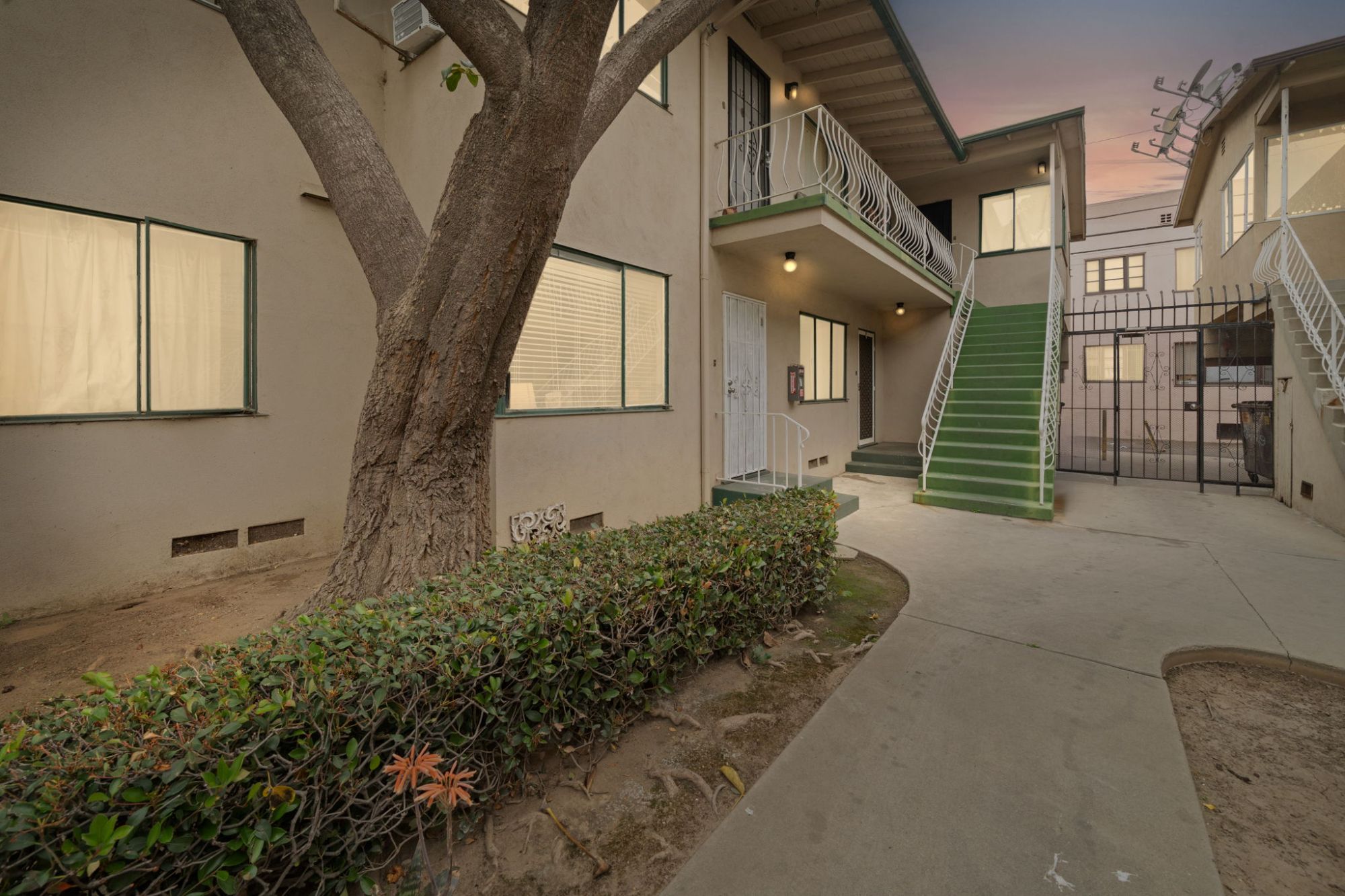
Exterior elevated elements — balconies, walkways, and stairways — fall under SB 326 inspection requirements.
To prevent catastrophic structural failures, California enacted two critical pieces of legislation:
Inspection Mandate
SB 326
Civil Code §5551
A licensed structural engineer or architect must inspect load-bearing wood structures every nine years.
Disclosure Mandate
SB 410
2026
The full engineering report must be delivered to buyers in the disclosure package.
Senate Bill 326 (Civil Code §5551): Mandates that all condominium associations with three or more attached units inspect all exterior elevated elements (balconies, decks, porches, stairways, and walkways) supported substantially by wood. Inspections must be conducted by a licensed structural engineer or architect every nine years.
Senate Bill 410 (Mandatory Buyer Disclosures): California law requires sellers and HOA boards to include the official SB 326 Balcony Inspection Report directly within the standard real estate transfer disclosure package.
Before SB 410, engineering reports often remained buried inside HOA archives while buyers completed purchases unaware of impending repairs. Today, you have the legal right to review the engineer’s findings during your contractual escrow contingency period.
2. Homeowner Protections Under the Davis-Stirling Act
California HOAs operate under the Davis-Stirling Common Interest Development Act, which sets strict limits on board authority:
20% Regular Dues Increase Cap
An HOA board cannot increase annual regular assessment dues by more than 20% over the previous fiscal year without approval from a majority of the community’s voting membership.
5% Special Assessment Limit
An emergency or special assessment exceeding 5% of the association’s gross budgeted expenses for that year requires an affirmative vote by homeowners.
Foreclosure Limitations
An HOA cannot foreclose on a condominium unit for non-payment of disciplinary penalties, such as parking violations, trash can fines, or exterior paint disputes. Foreclosure actions require unpaid regular or special assessments totaling at least $1,800 or delinquencies exceeding 12 months.
3. What Do Long Beach HOA Fees Actually Cover?
Monthly HOA dues across Long Beach generally range from $350 to $600+ per month for standard garden-style communities and can exceed $800 to $1,200+ per month for full-service luxury high-rises along Ocean Boulevard or waterfront developments in Marina Pacifica.
While high monthly dues can increase your overhead, they replace significant maintenance bills that single-family homeowners pay entirely out of pocket.
Roof & Exterior Building
What the HOA dues cover
Roof repairs, replacements, exterior stucco, paint, and siding
Single-family home comparison
100% owner responsibility ($15,000–$35,000 per replacement)
Master Insurance Policy
What the HOA dues cover
Hazard, exterior structural, and general liability coverage
Single-family home comparison
Full individual hazard, fire, and exterior coverage policies
Utilities & Infrastructure
What the HOA dues cover
Water, trash, sewer, and common plumbing mainlines
Single-family home comparison
Separate individual accounts for all utility services
Grounds & Amenities
What the HOA dues cover
Pools, spas, elevators, fitness centers, landscaping, gates
Single-family home comparison
Private maintenance, chemical services, and landscaping crews
Parking & Security
What the HOA dues cover
Gated sub-grade parking structures, security staff, access control
Single-family home comparison
Private driveway, garage maintenance, and home security setups
4. How to Spot Red Flags in HOA Documents Before Escrow Closes
During your purchase contingency window in California, you receive a full HOA document package. Look beyond cosmetic staging and review these essential documents:
- The Reserve Study: Evaluates the remaining useful life of every common component (roofs, boilers, elevators, asphalt) and calculates the association’s Percent Funded. A score below 70% indicates the community may face deferred maintenance or upcoming special assessments.
- 12 Months of Board Meeting Minutes: Check for recurring discussions regarding water intrusion, plumbing re-piping estimates, pending owner lawsuits, or upcoming assessment votes.
- Annual Operating Budget & Balance Sheet: Verify that operating cash flow covers recurring expenses without dipping into long-term capital reserves.
- SB 326 Balcony Inspection Report: Verify whether the licensed inspector identified water decay, flashing failures, or mandated immediate structural repairs.
5. Lender Approval: Project Eligibility Matters
Getting pre-approved for a mortgage is only half the equation. When purchasing a condo, the underwriter must approve both you and the condominium project.
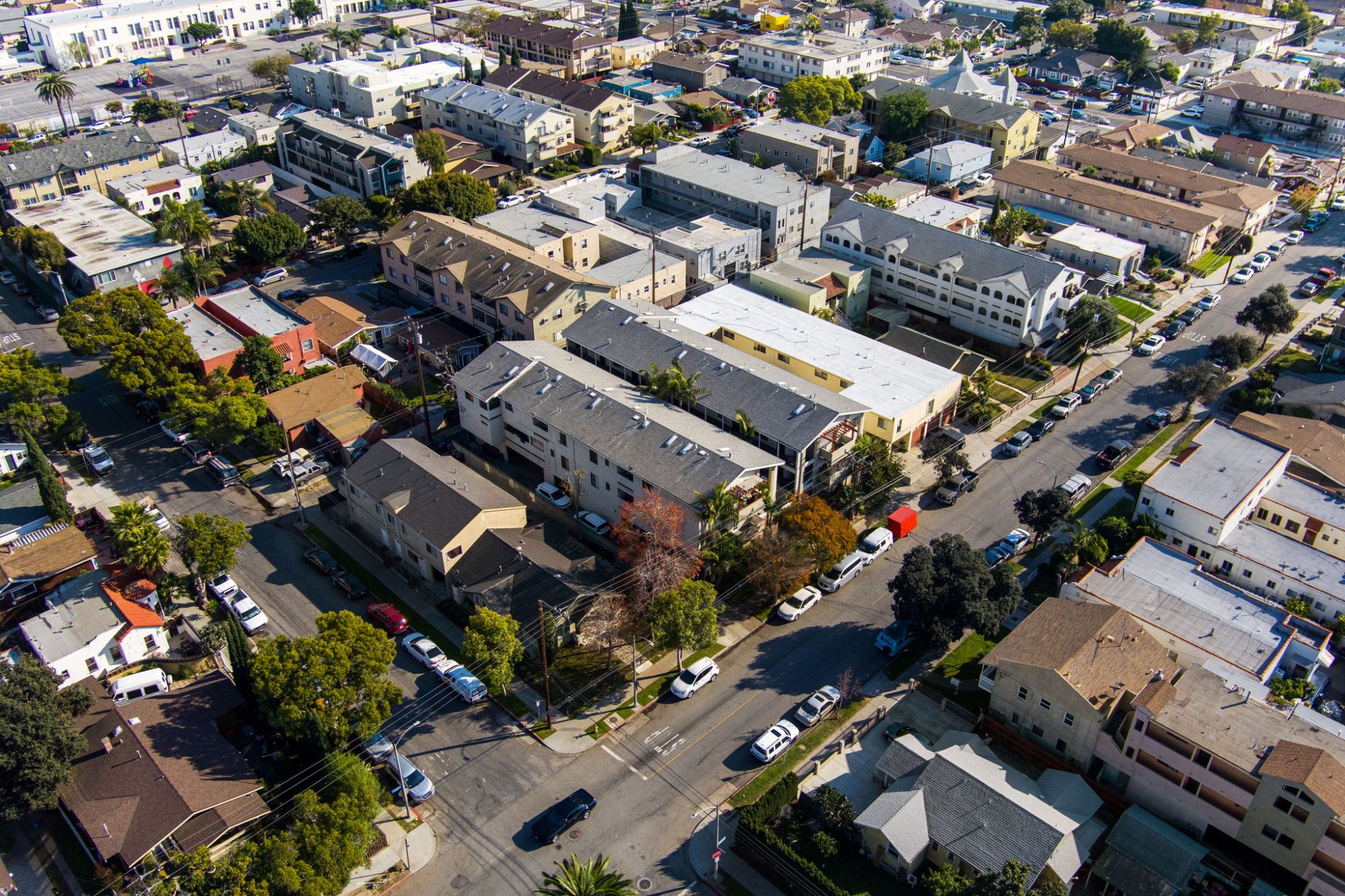
Lenders underwrite the building as carefully as they underwrite the borrower.
Mortgage lenders issue a Condo Project Questionnaire to confirm:
- Reserve Contributions: At least 10% of the HOA's annual budget must be allocated directly into capital reserves.
- Owner-Occupancy Ratios: High concentrations of non-owner-occupied tenant units can disqualify buildings from conventional, FHA, or VA financing.
- Litigation Status: Active lawsuits between the HOA and developers or contractors will often halt conventional loan approvals immediately.
- Master Insurance Limits: The association's master policy must carry sufficient replacement cost coverage and adequate deductible limits.
6. The “Tuesday Test”: Assessing HOA Management in Person
Brochures, listing photos, and open houses showcase a property at its best. Before submitting an offer or removing your inspection contingency, perform the Tuesday Test:
- Visit the building on a regular weekday morning or afternoon.
- Inspect common stairways, corridors, subterranean parking garages, and trash enclosures.
- Check for peeling paint, water-stained stucco, neglected landscape irrigation, or temporary patches on building infrastructure.
A well-managed building reflects consistent upkeep in its shared spaces every day of the week, not just during scheduled open houses.
Frequently Asked Questions (FAQ)
What is the average HOA fee for a condo in Long Beach, CA?
Average HOA dues in Long Beach range from $350 to $600 per month for standard low-rise and mid-rise buildings. In high-rise towers with extensive amenities (concierge, pool, elevators, 24/7 security), dues typically range between $700 and $1,200+ per month.
What is California SB 326, and why does it affect condo buyers?
Senate Bill 326 is California's mandatory balcony inspection law. It requires condominium associations with three or more wood-framed units to hire a licensed structural engineer or architect to inspect exterior elevated elements (balconies, walkways, decks, and stairs) every nine years to identify hidden water intrusion and rot.
How does SB 410 protect condo buyers?
Senate Bill 410 mandates that sellers include completed SB 326 balcony inspection reports directly within the standard transfer disclosure package. This ensures prospective buyers see licensed structural evaluations and projected repair needs before finalizing the purchase.
Can an HOA in California raise dues without owner approval?
Yes, an HOA board can increase regular assessment dues by up to 20% per year without a vote of the general membership. Any increase above 20% requires approval from a majority of the voting owners.
What is a special assessment, and how can I avoid paying one unexpectedly?
A special assessment is a one-time fee levied against homeowners to fund emergency repairs or capital improvements when reserve funds are insufficient. You can protect yourself by reviewing the HOA's Reserve Study, checking for a high “Percent Funded” level (70%+), and examining the last 12 months of board meeting minutes for unbudgeted repair discussions.
Can a California HOA foreclose on a condo for unpaid fines?
No. Under the Davis-Stirling Act, HOAs cannot foreclose solely over disciplinary fines, such as paint color disputes or parking violations. Foreclosure proceedings can only be initiated for unpaid regular or special assessments totaling at least $1,800 or remaining delinquent for more than 12 months.
Why do some Long Beach condo buildings fail lender approval?
Lenders may decline financing for a condo project if the building has less than 10% of its budget allocated to reserves, is involved in active structural litigation, has excessive non-owner-occupied tenant ratios, or maintains inadequate master hazard insurance coverage.
Work With Long Beach’s Top Real Estate Advisory Team
Navigating HOA documentation, balcony compliance engineering reports, and reserve studies requires local expertise. Whether you are evaluating a waterfront high-rise in Downtown Long Beach, a mid-century condo in Alamitos Beach, or a townhome in Belmont Shore, working with an experienced team ensures your investment remains secure.
Rick J. Lee
Realtor @ ΓEAȽ Broker · DRE # 02130981
RickJLeeHomes.com
Cell: (714)-943-1598
RickJLeeHomes@gmail.com
Categories
- All Blogs (268)
- Aliso Viejo, California (2)
- Anaheim, Calfornia (5)
- Beach House (2)
- Best places for surfers (1)
- Bixby Knolls (1)
- Buena Park, California (2)
- Buying and Selling Real Estate (75)
- Buying or Seller Real Estate (2)
- California (2)
- California Beach House (2)
- Cerritos, California (1)
- Costa Mesa, California (1)
- Current Market (5)
- Cypress, CA (5)
- Dana Point, California (1)
- Downey, California (1)
- Equestrian (1)
- Fountain Valley, California (5)
- FSBO (1)
- Fullerton, California (1)
- Fur Parents (1)
- Garden Grove California (6)
- History (4)
- Holiday in Long Beach (1)
- home (12)
- Home Improvement (1)
- home value (7)
- Huntington Beach (5)
- Irvine, California (3)
- La Habra, California (1)
- Laguna Niguel, California (1)
- Lake Forest, California (1)
- Lakewood Event (2)
- Lakewood, California (40)
- Lifestyle (3)
- Listing (1)
- Long Beach Events (1)
- Long Beach Neighborhood (7)
- Long Beach, California (70)
- Los Alamitos (1)
- Los Alamitos, California (2)
- Market Reports (8)
- Mission Viejo, California (1)
- Mortgage Lender (1)
- Moving to Aliso Viejo, California (2)
- Moving to Anaheim, California (4)
- Moving to Buena Park, California (2)
- Moving to California (11)
- Moving to Cerritos, California (1)
- Moving to Costa Mesa, California (1)
- Moving to Cypress, CA (4)
- Moving to Dana Point, California (1)
- Moving to Downey, California (1)
- Moving to Fountain Valley, California (4)
- Moving to Fullterton, California (1)
- Moving to Garden Grove, California (5)
- Moving to Huntington Beach (5)
- Moving to Irvine, California (3)
- Moving to Lakewood (4)
- Moving to Lakewood, California (7)
- moving to Long Beach, California (17)
- Moving to Los Alamitos, California (2)
- Moving to Los Angeles (1)
- Moving to Mission Viejo, California (1)
- Moving to Newport, California (3)
- Moving to Orange County, California (20)
- Moving to Orange, California (2)
- Moving to Placentia, California (1)
- Moving to Rossmoor, California (1)
- Moving to San Clemente, California (2)
- Moving to Seal Beach, California (4)
- Moving to Signal Hill, California (2)
- Moving to Stanton, California (1)
- Moving to Tustin, California (2)
- Moving to Westminster, California (3)
- New Developments (1)
- Newport Beach, California (3)
- Orange County, California (10)
- Orange, California (3)
- Placentia, California (1)
- Real Estate (47)
- Real Estate Agent (28)
- Rossmoor, California (1)
- San Clemente, California (2)
- San Juan Capistrano, California (1)
- Saving Money (1)
- Seal Beach, California (6)
- Signal Hill, California (5)
- Social Media (1)
- Stagnation (1)
- Stanton, California (1)
- Success Story (1)
- surfing (1)
- Tips in Moving (2)
- Tustin, California (3)
- Westminster, California (3)
Recent Posts



GET MORE INFORMATION