

How to Build Your Own Home in Lakewood, CA: Add-On, ADU, or Rebuild
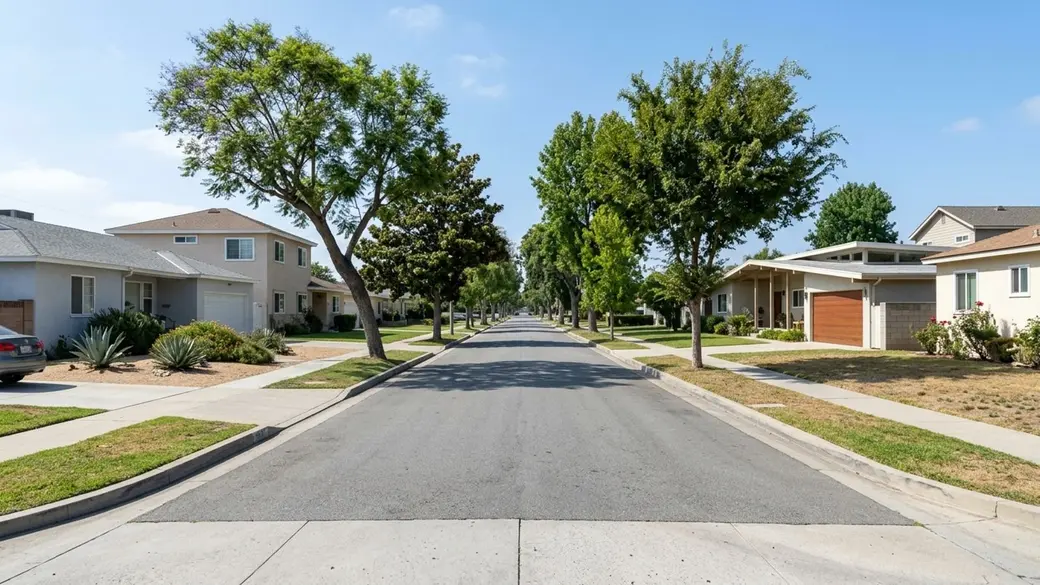
Building a house exactly the way you want it starts with securing the ground underneath it. In a fully developed city, that first step dictates your entire budget and timeline.
Because open land is rare here, starting from scratch usually means buying a lot that already has a house on it. The decisions you make about that existing structure will determine whether your project stays on budget or stretches your finances to the limit.
Key takeaway
In Lakewood, building your own home almost always means building on a house you buy, because the city has little open land and single-family homes sold at an $899,641 median over the 90 days ending Sept. 30, 2026. For most plans, the better move is adding a room, a second story, or an ADU to a smaller house, since that added space costs construction alone. A full teardown and rebuild makes sense only when the existing house has little value left to throw away.
Who this guide is for
You want a Lakewood home built to your own plan and are deciding whether to buy a house that already fits, buy one and add on, or tear one down and start over.
Can you build your own home in Lakewood, CA?
In built-out Lakewood, the lot only comes with a house attached. You can build your own home here, but the path that usually pencils out is buying a smaller house and adding square footage or an Accessory Dwelling Unit (ADU).
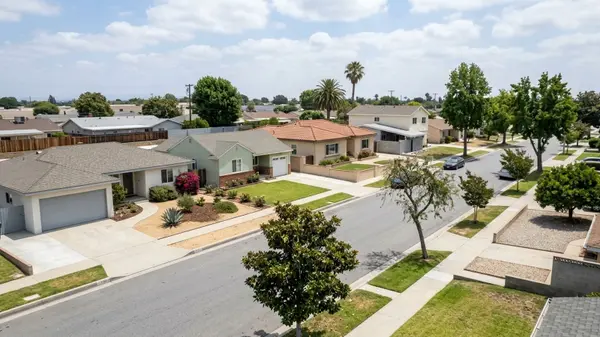
Lakewood was mass-built as a planned tract in the early 1950s. According to the City of Lakewood's official history, the Lakewood Park Corporation broke ground on 3,450 acres of former farmland in early February 1950. In less than three years, the site was transformed into 17,500 completed houses by 1953.
The city's housing plan lists little or no vacant residential land today. The real choice, then, is whether to keep the existing house and build onto it, or replace it entirely.
What you pay for the lot before you build anything
Nearly half, 48.1%, of single-family homes in Lakewood sold above list price recently, with just 1.7 months of supply. The land cost is set by heavy competition, leaving buyers with little room to negotiate the starting price.
Dividing the median price by the median price per square foot points to a typical sold house of about 1,350 square feet. This is a rough cut, not a measured median, but it shows why a small house is the common starting point for an addition.
Property values showed a modest annual increase over the same period. Slow appreciation means an over-built addition won't be bailed out by market growth quickly, so review local housing market trends before finalizing a massive floor plan.
Which way to build fits your plans?
Do you need more living space inside your home, or a separate unit with its own entrance? More space points to adding a room or a second story. A separate unit points to building a detached ADU, converting the garage, or adding a junior ADU inside the house.
Is the house you'd buy worth keeping? If the structure is sound, stay with the paths that build onto a house you buy. If it would need nearly everything replaced, read the section on tearing down and building new.
Does your budget cover the lot price plus construction, or only one of them? Work through whether it's cheaper to build or buy in Lakewood before you shop. If you'll pay for the build with a loan and need bids, look at how to get design drawings and line up financing.
Building onto a house you buy
You pay market price once for the land and the house, then pay only the construction rate for each new foot you build. That keeps your total basis lower than starting from a dirt lot you had to buy at a premium.
The strategy is finding a property with enough yard space or the right zoning to handle your planned expansion. Every property is different, and the city's rules will dictate which of the four paths below fits the lot.
Add a room or a second story
If you want more space and the house you can afford is smaller than you need, start here. This is the most direct way to get a bigger home in a city known for small tract houses, giving you more bedrooms or living space under one roof.
The city's single-family zone rules on setbacks, lot coverage, and height decide whether you build out or up. Lakewood's R-1 zone height limit allows no building to exceed two and one-half stories or 35 feet in height, whichever is less. Confirm this at the planning counter before you write an offer.
The downside is you either live through months of construction or pay to live somewhere else. An addition that pushes the house well past what nearby homes sell for may not come back at resale, so pull comparable sales for the street before you size it.
Build a detached ADU
If you want a separate unit for long-term rental income or a self-contained living space, a detached ADU puts a separate backyard unit with its own kitchen and bath on the property while keeping the main house intact.
State law guarantees a minimum-size ADU that a city cannot zone away. Under Lakewood's ordinance, new attached ADUs are capped at 25 feet or the height of the structure they are attached to, whichever is less, and no ADU may exceed two stories.
What you give up is the yard you bought. A small unit still needs its own kitchen, bathroom, and utility connections, the costliest parts of any build, so get at least two bids that itemize utility and sewer work before you count on a budget number.
Convert the garage
If you want a separate unit with the least new structure, start with a garage you already own. It's often the cheapest-feeling way to add a unit because the walls, roof, and slab already exist.
Under state ADU law, the city cannot make you replace the parking you lose when a garage becomes an ADU. This keeps the rest of your driveway and yard open.
You do give up covered parking and storage for good, and an old garage slab or framing may not meet current code for living space. Have a contractor inspect the slab, walls, and electrical before you assume the shell saves money. If the house you're buying already has a converted garage, ask the seller for the permit record.
Add a junior ADU inside the house
A junior ADU carves a small unit out of existing bedrooms within the house, adding a separate living space with little new construction. State law caps a junior ADU at no more than 500 square feet.
It takes space from the house you already have, and state rules tie junior ADUs to owner occupancy of the property. Confirm the current requirement with the city before you plan around it.
Tearing down and building new
If you want an all-new floor plan built to your own design, start with listings whose structure has little value left. A worn-out house puts most of the price into land; a sound house carries a premium you'd just demolish.
A teardown gives you a new floor plan, but you pay roughly the market median for a structure you then throw away. Before demolition, you'll need a city demolition permit and an asbestos survey. Under South Coast AQMD Rule 1403, full demolitions of single-family homes are not exempt and require a Certified Asbestos Consultant survey before demolition.
You'll also carry the full lot price, demolition, design, and construction all at once, often while paying for housing elsewhere. A new house still has to fit the same single-family zone rules as an addition.
Is it cheaper to build or buy in Lakewood?
A resale home's $667 median price per square foot already includes the land. A new foot of construction costs the local per-square-foot rate, with no added land cost because you already own the lot.
Industry estimates for 2026 suggest new residential construction in Los Angeles typically runs about $250 to $450 per square foot. Compare paying for a house about 400 square feet larger at the market rate with adding 400 square feet to a smaller house at the construction rate, plus soft costs.
If construction per foot comes in below the resale rate, adding on wins on cost per foot. If it comes in above, buying a bigger house is cheaper, and building only wins when you need a layout the market doesn't offer. A teardown almost never wins on cost because you pay the market rate for land plus house, then the construction rate on top.
How to build a home in Lakewood, step by step
The process starts long before you hammer the first nail. Because the Lakewood market moves fast, your due diligence has to happen on a tight timeline, and you'll work with the city, lenders, and contractors in a specific order. Get the sequence wrong and you can end up owning a property that won't support the build you planned.
Check the lot before you make an offer
Single-family homes went under contract in a median 34 days recently, so lot due diligence has to start before you write the offer. Pull the parcel's lot size and recorded improvements from the LA County Assessor portal, and ask the seller for the permit history.
Competing offers often come with short or waived contingencies. If you give up the inspection window, you give up your chance to learn the lot can't take the addition you planned.
Confirm what the city will allow
Take the address to Lakewood's planning counter, which handles zoning and ADU rules, and ask what the specific lot can take. You'll need the exact allowances for setbacks, lot coverage, height, and ADU placement.
Easements, overhead power lines, or sewer locations shown only on title and utility records can block an ADU or addition the zoning code would otherwise allow. Ask for a preliminary title report and review recorded easements early.
Get design drawings and bids
A designer or architect turns the plan into drawings the city and lenders will accept. Get at least two itemized contractor bids on the same drawings so you're comparing like with like.
Drawings and engineering are paid before you know whether bids fit your budget. Ask for a rough cost estimate at the concept stage so you don't pay for full plans you can't afford to build.
Line up financing for the build
Buyers who want to finance the purchase and the build together look at renovation loans, which have limits you should review before applying. Owners who already have the house may use cash or a separate construction or equity loan. You can also explore down payment help and buyer financing programs to offset initial costs.
Renovation loans pay contractors in draws after inspections and appraise the home on its finished value. If the appraisal comes in short of the bids, you cover the gap in cash. Ask the lender how draws and appraisal gaps are handled before you commit.
Pull permits and pass inspections
Lakewood's building and safety office reviews the plans, issues the permit, and inspects at each stage. Applicants pay an 18% overhead charge added on top of the County's Building and Safety permit fee schedule for all Building and Safety related permit applications.
Unpermitted work doesn't stay hidden. It surfaces in seller disclosures and appraisals when you sell, and can mean retroactive permits or tear-outs. Keep every final sign-off.
At a glance
- Single-family median sale price: $899,641, up 1.9% year over year (90 days ending 2026-09-30)
- Single-family median price per square foot: $667 (90 days ending 2026-09-30)
- Single-family homes sold: 108, median 34 days on market (90 days ending 2026-09-30)
- Single-family sale-to-list ratio: 100.5%, with 48.1% sold above list price (90 days ending 2026-09-30)
- Single-family months of supply: 1.7, with 61 homes in inventory (90 days ending 2026-09-30)
- All homes median sale price: $893,574, up 1.9% year over year, $631 per square foot (90 days ending 2026-09-30)
- All homes sold: 117, median 36 days on market, 47.8% sold above list, 2 months of supply, 78 homes in inventory (90 days ending 2026-09-30)
Building a home in Lakewood, CA FAQs
Can I build my own house in California?
Yes, under the owner-builder exemption, with conditions. You must sign owner-builder disclosures, and there are limits tied to selling the home soon after completion, plus employer duties if you hire workers directly. Confirm with Lakewood building and safety what owner-builder paperwork it requires at permit time.
How do I find a home builder for a Lakewood project?
Look for a contractor with a CSLB class B general building license in good standing, an active bond, workers' compensation coverage, and itemized written bids. Verify every bidder on the CSLB lookup and call recent clients whose projects were permitted.
How much does it cost to build a house in Lakewood, CA?
You'll pay the construction cost per square foot mentioned above, plus city plan check and permit fees, and school developer fees. Long Beach Unified School District and Paramount Unified School District both charge $5.38 per square foot for residential developer fees on qualifying projects, while rates for other districts vary. Use the district's lookup to confirm which schools and district boundaries serve the address, and remember that land comes at the single-family median shown in the at-a-glance list.
What size house can you build for $250,000 or $400,000 in Lakewood?
Dividing these budgets by the estimated $250 to $450 construction cost per square foot, after setting aside soft costs, yields roughly 500 to 800 square feet for the smaller budget and 800 to 1,400 square feet for the larger one. Neither budget buys a Lakewood lot, so these amounts fit an addition or ADU on a lot you already own. Treat this as an estimate and get formal bids.
How long does it take to get an ADU permit in Lakewood?
Local agencies must meet a 60-day review timeframe for a complete ADU application. The clock starts only once the application is complete, and corrections add time. Ask Lakewood planning for its current submittal checklist and typical correction rounds.
Can I rent out an ADU in Lakewood, CA?
Lakewood requires that an ADU be rented for 31 days or more, and the city bans short-term rentals for all dwelling types. Junior ADUs have a separate owner-occupancy rule. Confirm all current rental rules with the city before signing a lease.
Will an addition or ADU raise my property taxes in California?
Under Proposition 13, new construction is generally assessed only on the value it adds, while the rest of the home keeps its existing assessed base. Ask the LA County Assessor for an estimate before you finalize the budget.
Can I split my Lakewood lot to build a second home?
Lakewood implements SB 9, allowing lot splits and two-unit development on urban lots zoned single-family (R-1, R-A), subject to specific design standards. Dwelling units on an SB 9 split lot may only be rented for terms longer than 30 days, with no short-term rentals and no new ADUs allowed on the created lot. Confirm eligibility for your specific parcel with Lakewood planning, since some lots are excluded.
Sources
- Redfin: Data Center
- City of Lakewood, CA Housing Element 2021-2029
- City of Lakewood history
- Construction cost estimates Los Angeles
- City of Lakewood, CA ADU Ordinance No. 2026-5
- California HCD Accessory Dwelling Unit Handbook 2025
- City of Lakewood Building Permits
- School developer fees
- Lakewood, CA Municipal Code
- South Coast AQMD Rule 1403
- SB 9 Text
Categories
- All Blogs (290)
- Aliso Viejo, California (2)
- Anaheim, Calfornia (5)
- Beach House (2)
- Best places for surfers (1)
- Bixby Knolls (1)
- Buena Park, California (2)
- Buying and Selling Real Estate (75)
- Buying or Seller Real Estate (2)
- California (2)
- California Beach House (2)
- Cerritos, California (1)
- Costa Mesa, California (1)
- Current Market (5)
- Cypress, CA (5)
- Dana Point, California (1)
- Downey, California (1)
- Equestrian (1)
- Fountain Valley, California (5)
- FSBO (1)
- Fullerton, California (1)
- Fur Parents (1)
- Garden Grove California (6)
- History (4)
- Holiday in Long Beach (1)
- home (12)
- Home Improvement (1)
- home value (7)
- Huntington Beach (5)
- Irvine, California (3)
- La Habra, California (1)
- Laguna Niguel, California (1)
- Lake Forest, California (1)
- Lakewood Event (2)
- Lakewood, California (53)
- Lifestyle (3)
- Listing (1)
- Long Beach Events (1)
- Long Beach Neighborhood (7)
- Long Beach, California (78)
- Los Alamitos (1)
- Los Alamitos, California (2)
- Market Reports (8)
- Mission Viejo, California (1)
- Mortgage Lender (1)
- Moving to Aliso Viejo, California (2)
- Moving to Anaheim, California (4)
- Moving to Buena Park, California (2)
- Moving to California (11)
- Moving to Cerritos, California (1)
- Moving to Costa Mesa, California (1)
- Moving to Cypress, CA (4)
- Moving to Dana Point, California (1)
- Moving to Downey, California (1)
- Moving to Fountain Valley, California (4)
- Moving to Fullterton, California (1)
- Moving to Garden Grove, California (5)
- Moving to Huntington Beach (5)
- Moving to Irvine, California (3)
- Moving to Lakewood (4)
- Moving to Lakewood, California (7)
- moving to Long Beach, California (17)
- Moving to Los Alamitos, California (2)
- Moving to Los Angeles (1)
- Moving to Mission Viejo, California (1)
- Moving to Newport, California (3)
- Moving to Orange County, California (20)
- Moving to Orange, California (2)
- Moving to Placentia, California (1)
- Moving to Rossmoor, California (1)
- Moving to San Clemente, California (2)
- Moving to Seal Beach, California (4)
- Moving to Signal Hill, California (2)
- Moving to Stanton, California (1)
- Moving to Tustin, California (2)
- Moving to Westminster, California (3)
- New Developments (1)
- Newport Beach, California (3)
- Orange County, California (10)
- Orange, California (3)
- Placentia, California (1)
- Real Estate (47)
- Real Estate Agent (29)
- Rossmoor, California (1)
- San Clemente, California (2)
- San Juan Capistrano, California (1)
- Saving Money (1)
- Seal Beach, California (6)
- Signal Hill, California (5)
- Social Media (1)
- Stagnation (1)
- Stanton, California (1)
- Success Story (1)
- surfing (1)
- Tips in Moving (2)
- Tustin, California (3)
- Westminster, California (3)
Recent Posts


GET MORE INFORMATION